DIY & Tools · Tools · Knives & Multi-tools
Case
Case Trapper Knife
Since 1920 · 106 years to 2026 · First made in Bradford, Pennsylvania
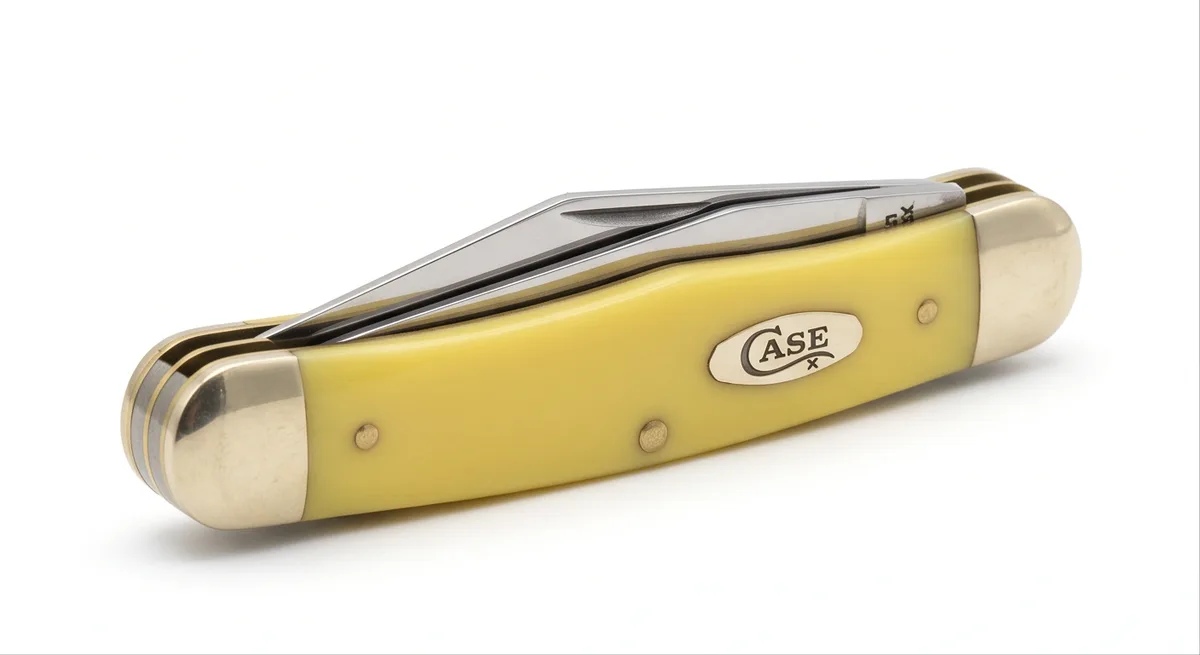
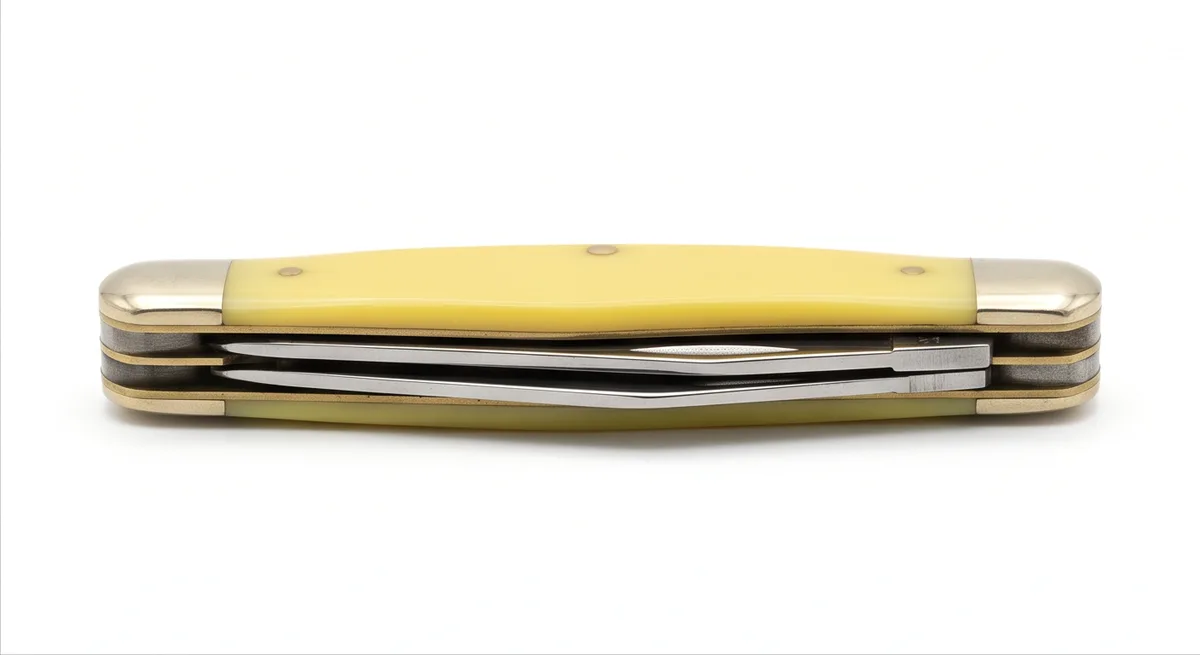
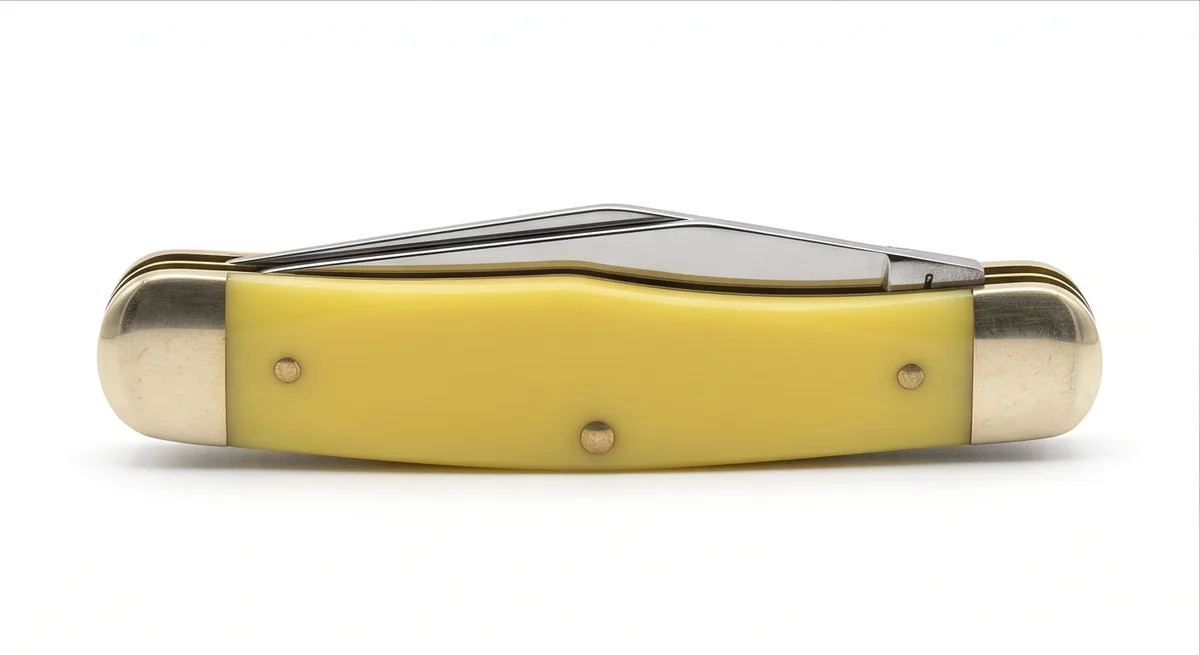
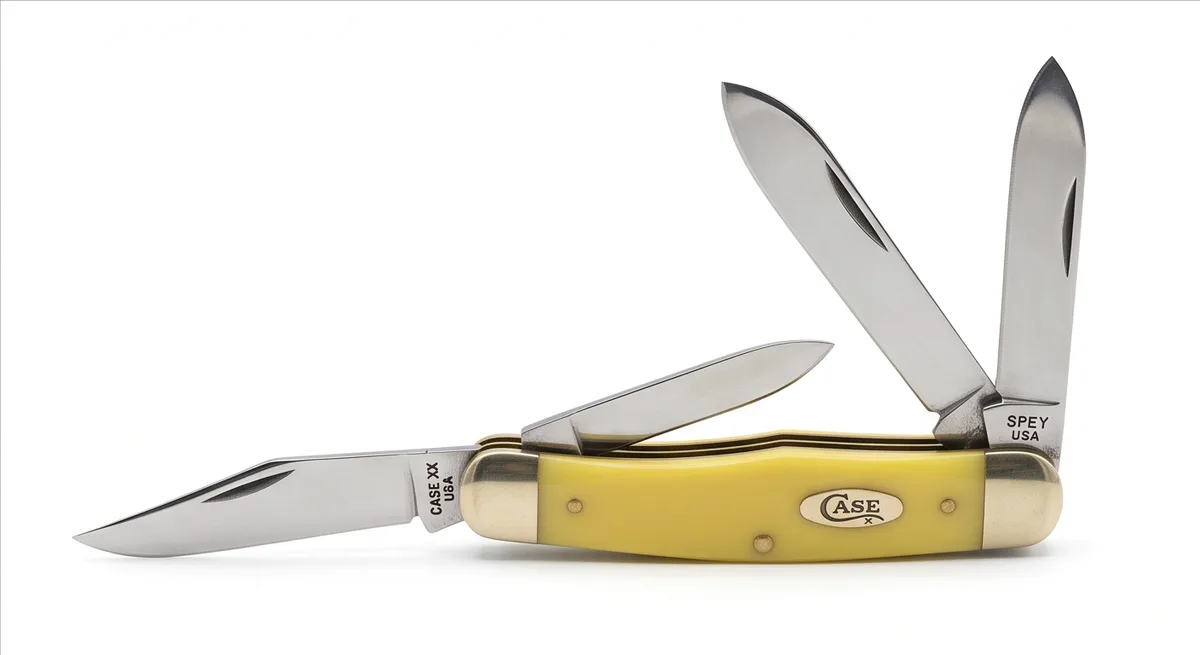
The Trapper is a jack knife with two full-length blades: a slender clip blade and a long spey blade with a specially curved tip. Measuring approximately four inches closed, it was designed for the consumer it was named after—those who trapped small game. The clip blade serves multi-purpose tasks and detail work, while the spey blade functions as an all-purpose utility tool. Its light weight and basic trapping and skinning capabilities made it a practical choice for field work, and these functional virtues have remained largely unchanged across a century of production.
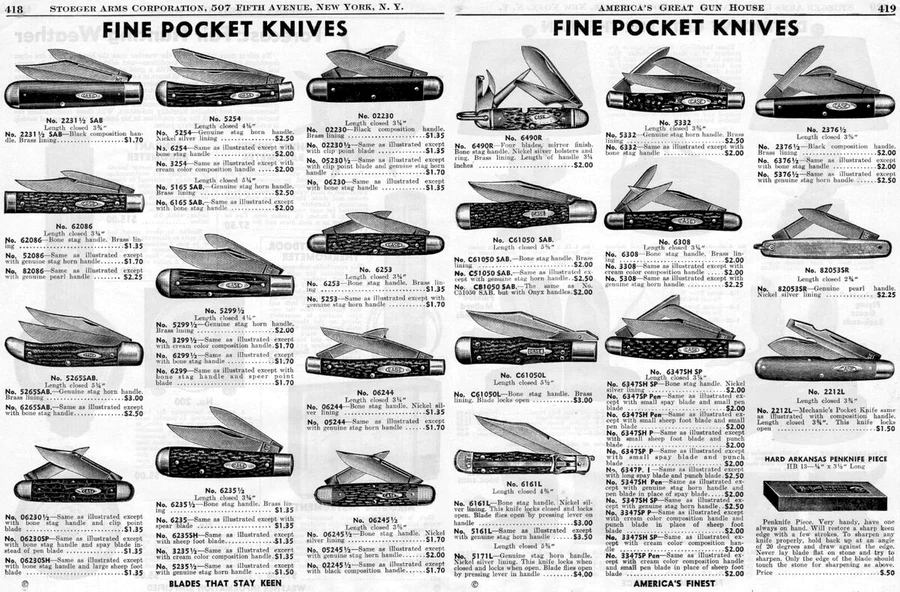
Case manufactures Trapper blades from either domestic chromium-vanadium steel alloy or stainless steel, hardened using proprietary heat treatment methods developed in the company's early years—the distinctive XX mark on Case blades derives from these original hardening processes. caseknives.com notes that carbon steel variants are preferred by some users for edge retention and ease of resharpening, though they require maintenance with oil. Handle materials have evolved from natural materials—Brazilian cattle bone, India stag, buffalo horn, and exotic hardwoods—to include modern synthetic options, with brass liners and nickel silver bolsters standard across the line.
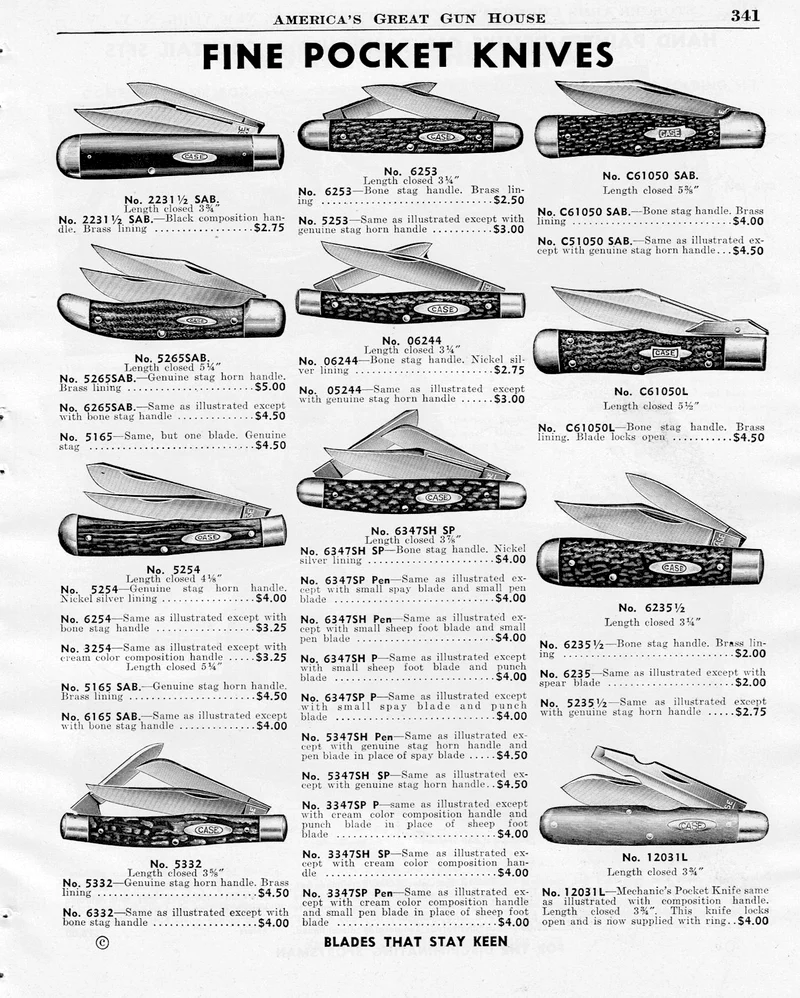
The Trapper's longevity reflects both functional design and the culture of collecting that has grown around Case knives. The introduction of tang stamps in 1970 created a systematic way to date production by decade, transforming the knife into a collectible object. knivesandtools.com observes that some collectors purchase the same Trapper model annually solely to acquire the newest tang stamp variant. The Case Collectors Club, now comprising 18,000 members, has sustained institutional interest in the pattern. Assembly remains largely hand-performed by skilled artisans, a practice that distinguishes Case production from fully mechanized competitors and has contributed to the knife's reputation for quality and finish.
Timeline
- 1920 First made · Disputed Case Trapper Knife enters production in Bradford, Pennsylvania.
- 1970 Production Case introduces its tang stamp dating system.
Milestone dates are taken from the production notes behind this entry and have not been checked separately.
More like this
-
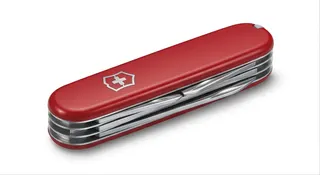 Knives & Multi-tools · since 1897 Victorinox Swiss Army Knife The Original Swiss Officer's and Sports Knife, patented 1897. Read the entry →
 -
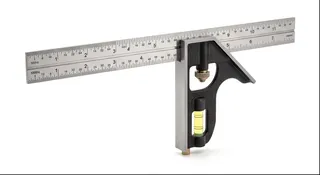 Hand Tools · since 1880 Starrett Combination Square The adjustable square that replaced a workshop full of single-use tools. Read the entry →
 -
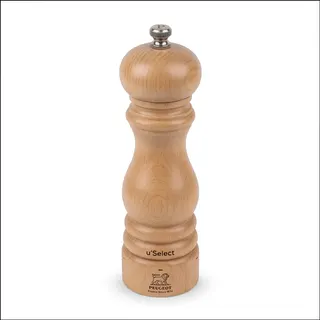 Hand Tools · since 1874 Peugeot Pepper Mill The first pepper mill, still made by hand in France since 1874. Read the entry →
 -
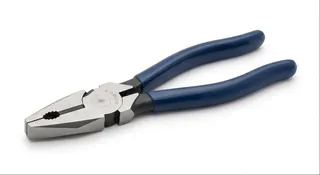 Hand Tools · since 1857 Klein Lineman's Pliers The pliers a telegraph lineman commissioned in 1857, still forged today. Read the entry →