Home & Furniture · Furniture · Chairs & Seating
Ercol
Ercol Windsor Chair
Since 1950 · 76 years to 2026 · First made in High Wycombe, Buckinghamshire
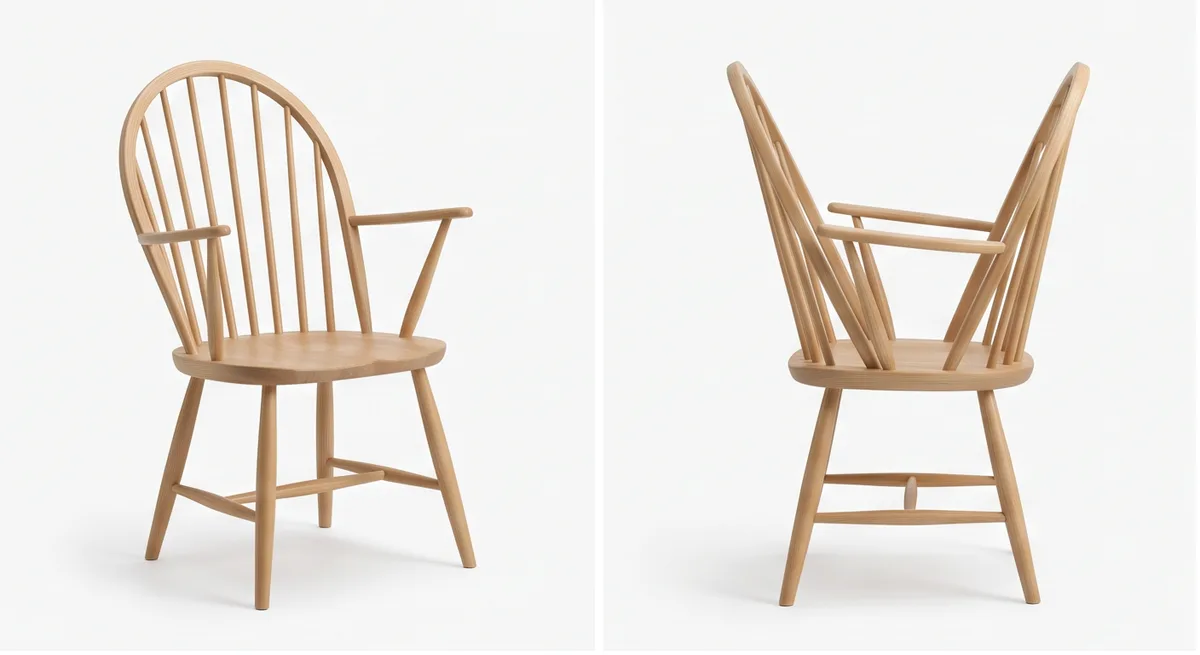
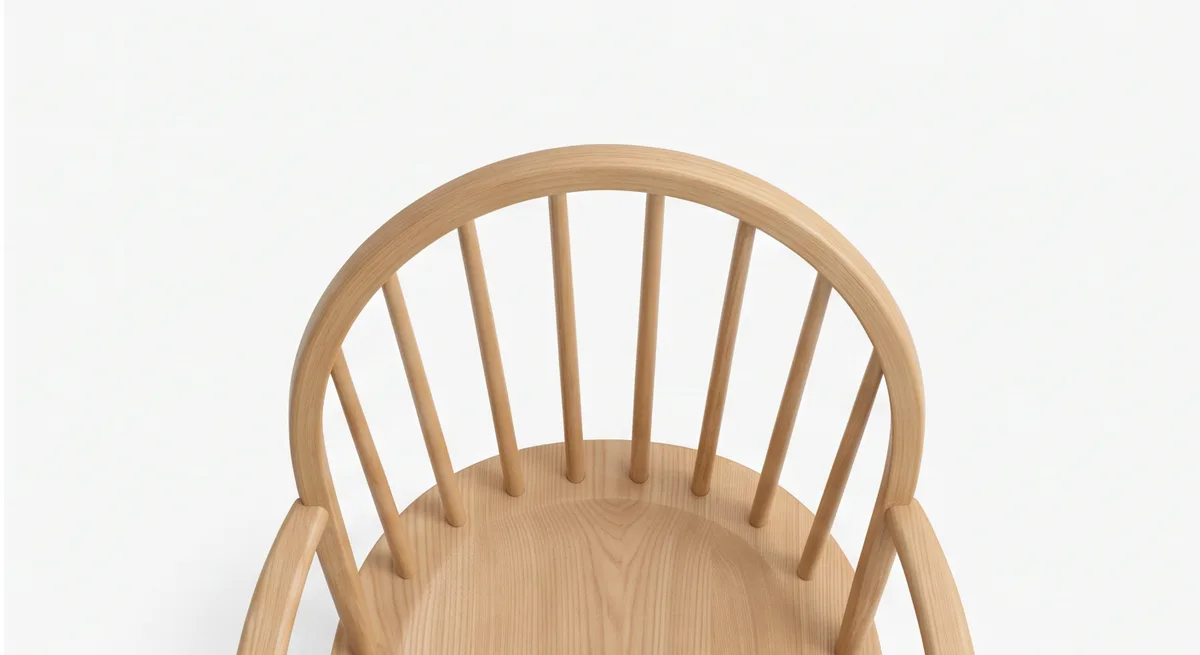
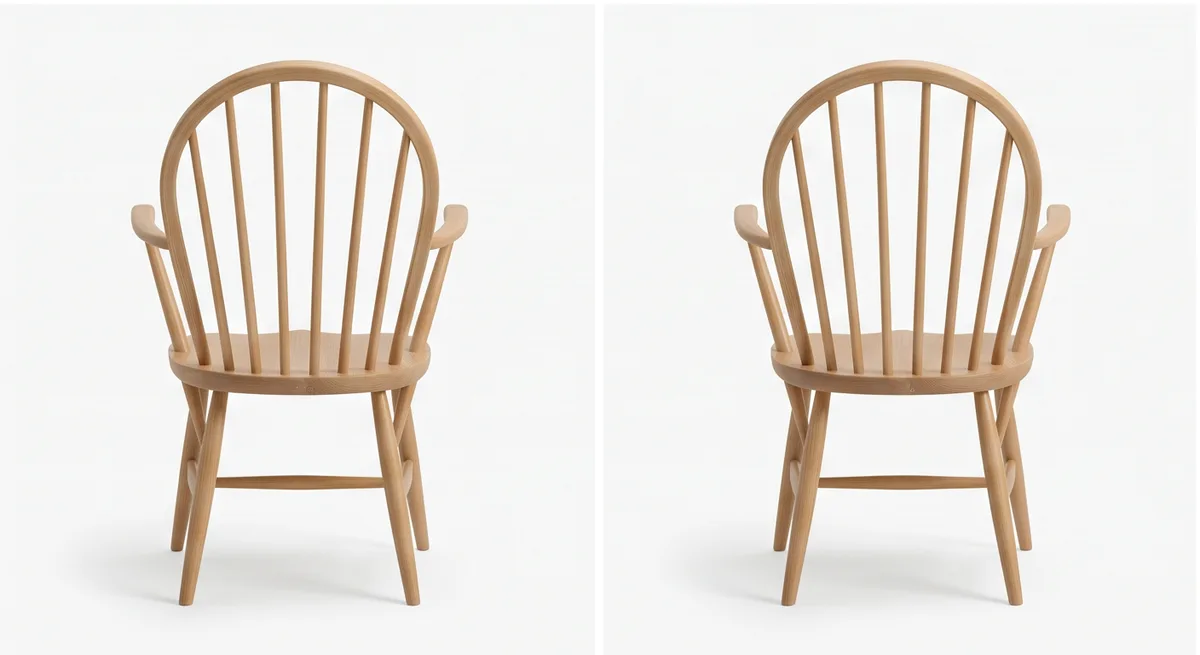
The Ercol Windsor chair represents a distinctive moment in British furniture history: the successful marriage of industrial mass production with traditional craft methods. Designed by Lucian Ercolani, the Italian-born founder of ercol, the chair emerged from wartime necessity. In 1944, as Britain faced acute material shortages and urgent demand for affordable, durable seating, the government commissioned ercol to produce 100,000 chairs at minimal cost. Ercolani's solution was to mechanise and systematise the traditional Windsor chair-making process—a craft that had evolved over centuries in the beech forests of High Wycombe—without sacrificing quality or hand-finishing.
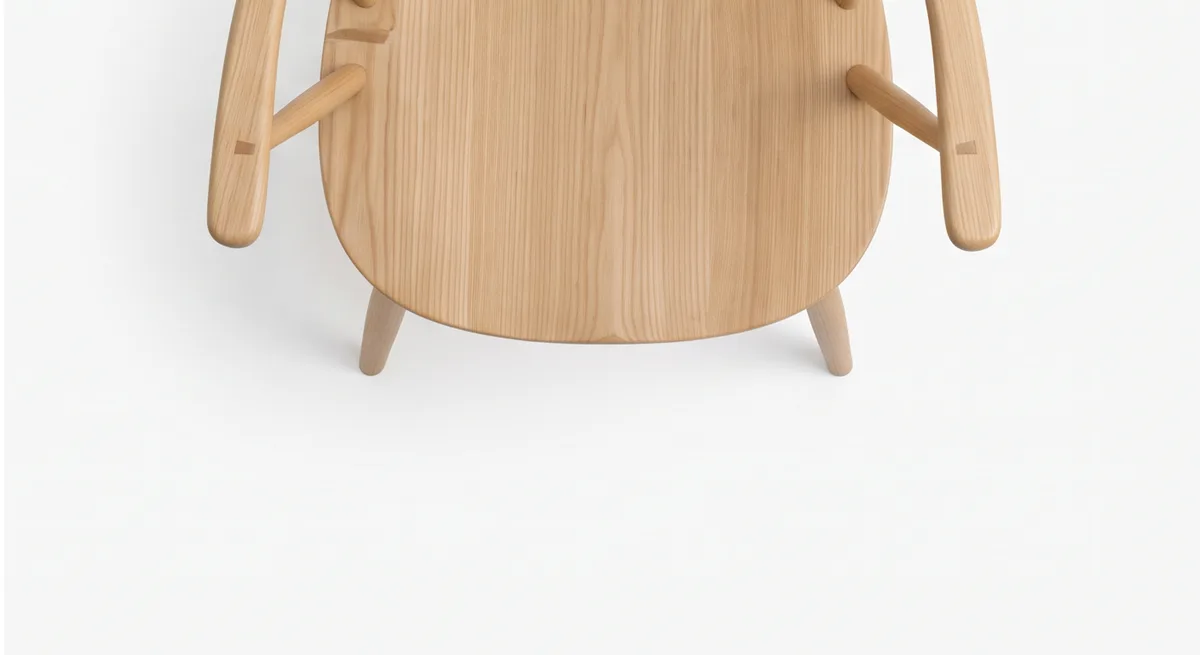
The chair's construction embodies this hybrid approach. It comprises fifteen individually crafted components, all hand-assembled. The distinctive bow back is steam-bent from a single ash rail and holds six slim spindles, also turned from ash. The saddle-style seat is sculpted from one piece of timber, ergonomically shaped for comfort. The defining technical feature is the traditional wedge joint: each leg passes through the seat and is secured with an ash wedge inserted into a notch, glued, then hand-sanded flush. No screws or nails are used. This construction method, which dates back centuries, proved so effective that ercol's 1950s marketing material claimed the chair could "withstand the roughest treatment and come up smiling."
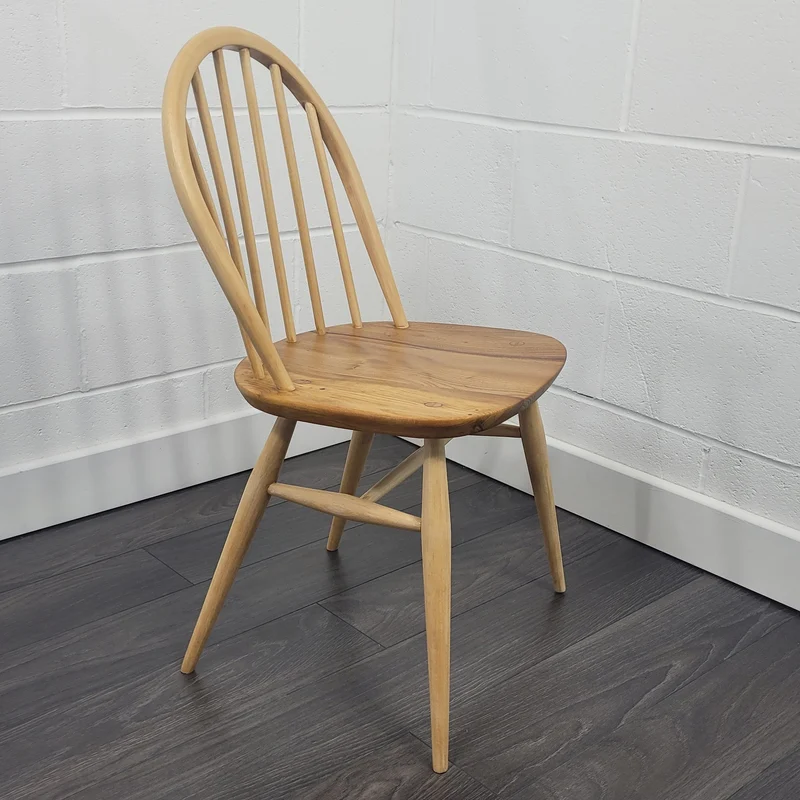
What distinguishes the Windsor from other mass-produced furniture is the role of natural material variation. Although every chair is made to identical specifications, the grain patterns, shades, and character marks of the ash timber ensure that each piece is unique. This paradox—precision manufacturing combined with the irreducible individuality of natural wood—has allowed the design to remain culturally legible for over seventy years. The chair became ubiquitous in British domestic interiors, a marker of both modernist good taste and practical common sense. It appears in homes, schools, and public institutions across the country, often unnoticed precisely because it has become so familiar. The Windsor's longevity reflects not nostalgia but continuous, quiet utility: a design that solved a specific problem so thoroughly that the problem has never needed solving again.
Timeline
- 1944 Designed The government commissions Lucian Ercolani to design utility chairs, prompting him to mechanise the traditional Windsor chair-making process.
- 1950 First made · Disputed Ercol Windsor Chair enters production in High Wycombe, Buckinghamshire.
- 1954 Designed A five-spindle variant of the Windsor chair is introduced but subsequently discontinued.
Milestone dates are taken from the production notes behind this entry and have not been checked separately.
From the archive
More like this
-
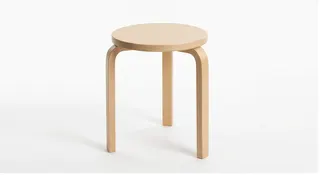 Chairs & Seating · since 1933 Artek Stool 60 Three-legged birch stool, unchanged since 1933. Read the entry →
 -
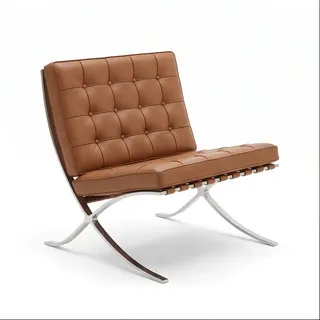 Chairs & Seating · since 1929 Barcelona Chair Modernist icon in continuous production since 1929. Read the entry →
 -
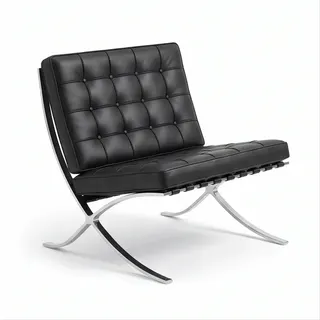 Chairs & Seating · since 1929 Knoll Barcelona Chair Modernist icon in continuous production since 1929. Read the entry →
 -
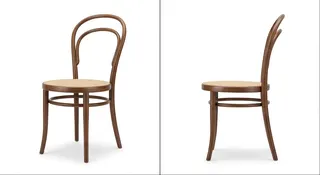 Chairs & Seating · since 1859 Thonet Model No. 14 Chair The world's first mass-produced chair, still made since 1859. Read the entry →