Sports & Leisure · Sports & Cycling · Fishing
Rapala
Rapala Original Floater
Since 1936 · 90 years to 2026 · First made in Päijät-Häme, Finland
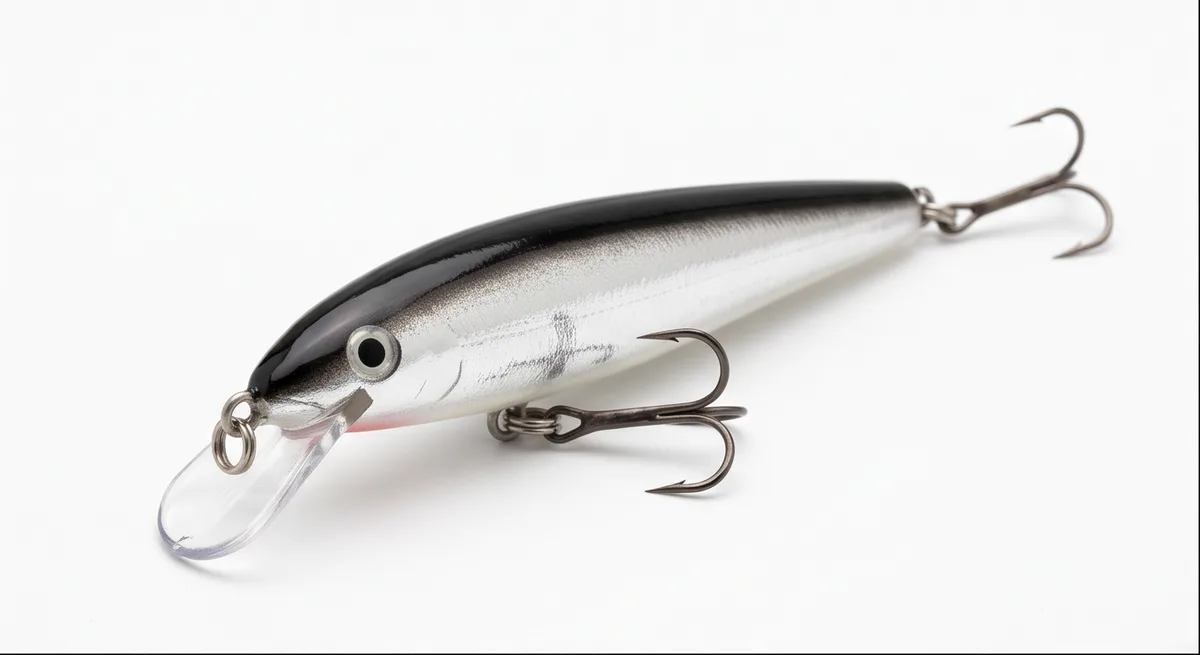
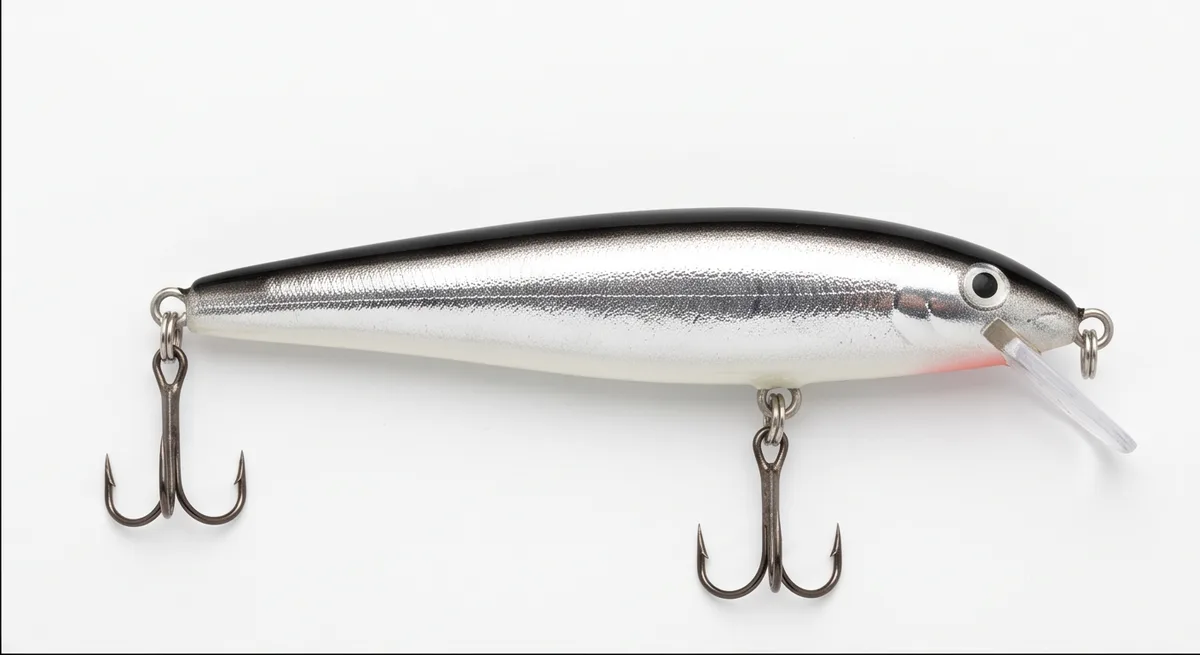
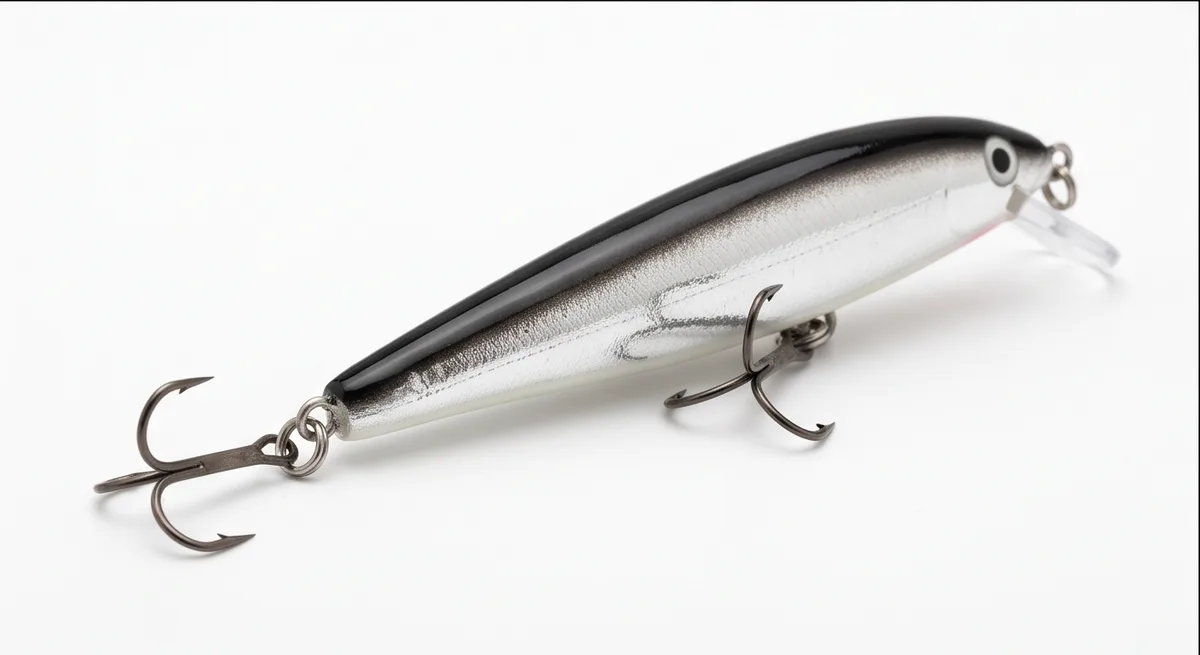
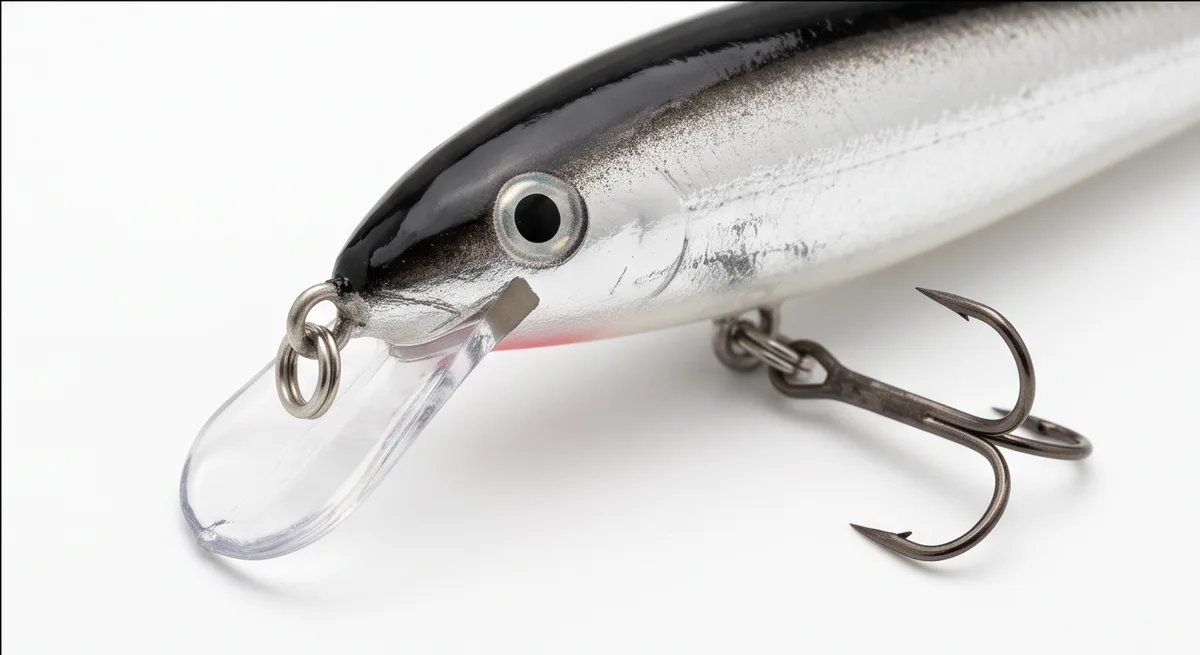
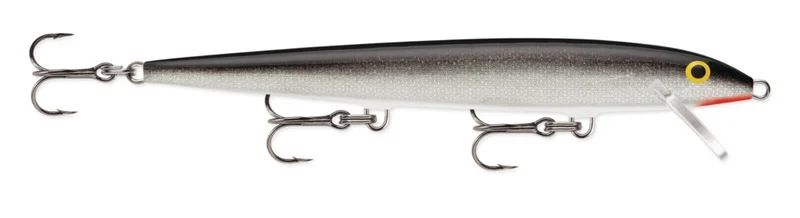
The Original Floater is a slim minnow of balsa wood, a few centimetres long, painted and lacquered to look like a small fish, with a clear plastic lip under the nose and two treble hooks hung beneath. It floats at rest. Pulled through the water it dives a little and swims with a slightly off-centre wobble, and that wobble is the whole point of it.
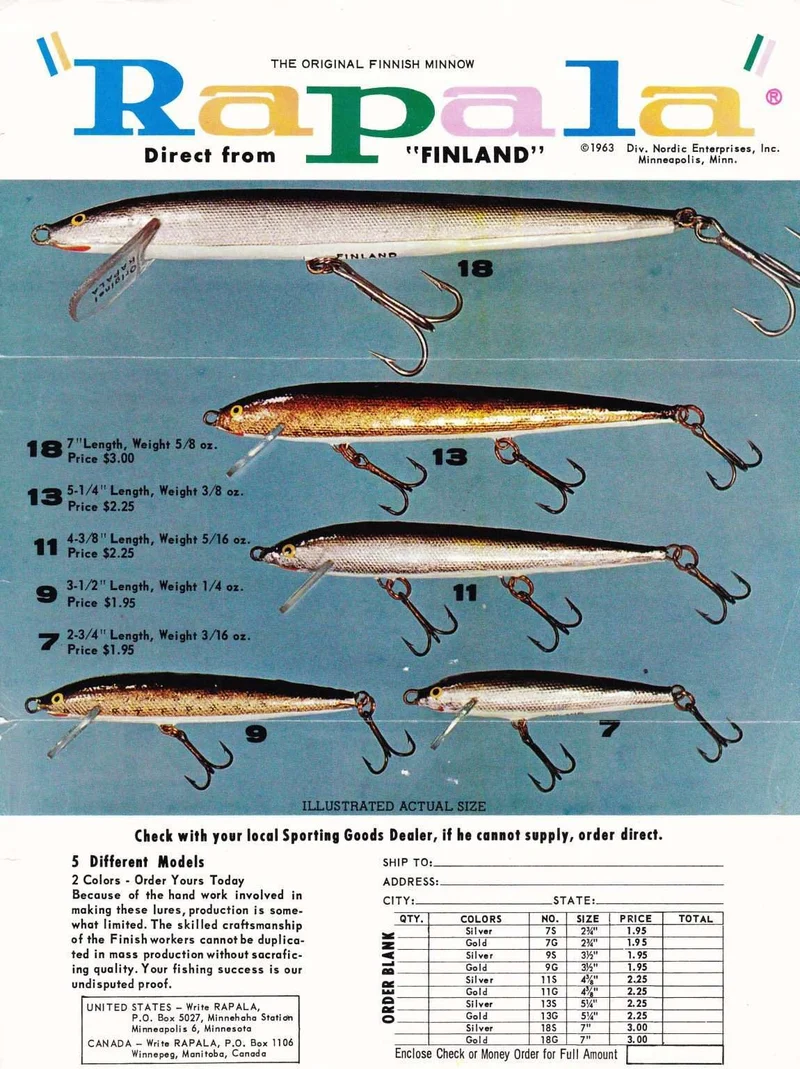
Lauri Rapala was a lumberjack in winter and a commercial fisherman in summer on the lakes of Asikkala in southern Finland, netting whitefish, trolling for trout and pike, and rowing some fifty kilometres a day. He noticed that pike went for the slow, faltering fish in a shoal rather than the healthy ones, and set out to carve something that moved like an injured minnow. The first that worked, in 1936, was cork, shaped with a shoemaker's knife and sandpaper, wrapped in the foil from chocolate bars and sealed with melted photographic negatives. He made them for the fishermen around him; in 1938 the co-operative shop at Kalkkinen began to sell them.
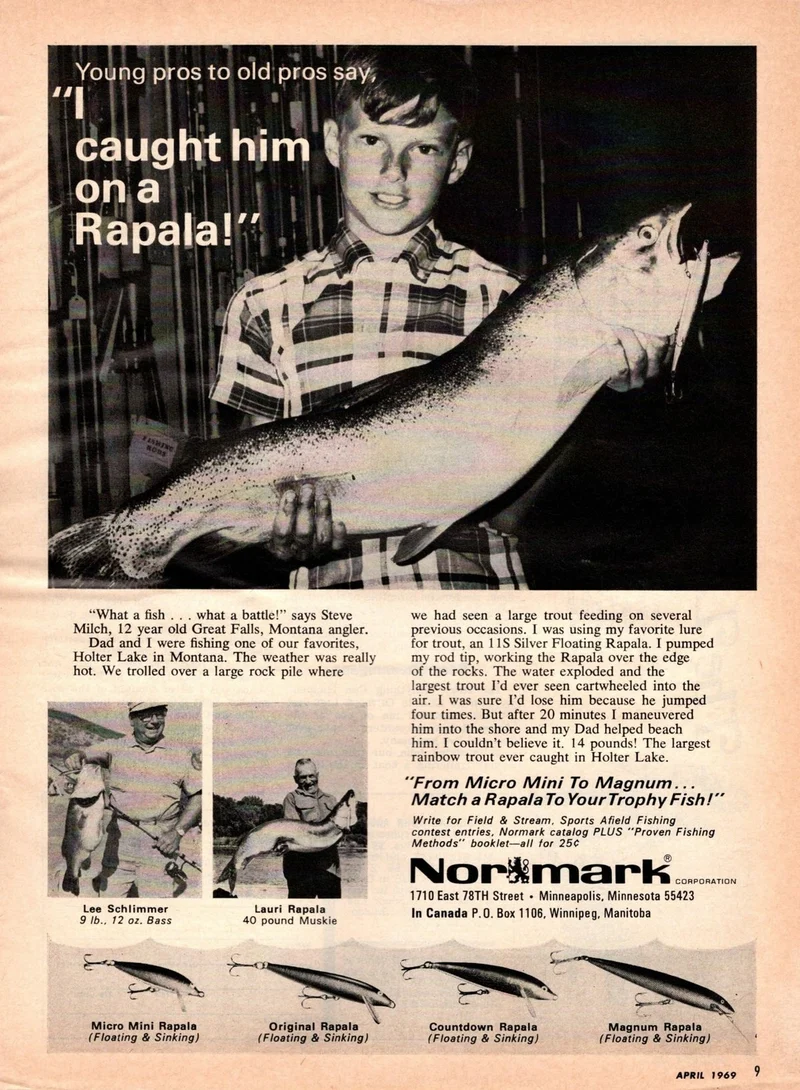
After the war his sons joined him in a shed turned workshop, and in the 1950s the family gave up farming and fishing to make lures full time. Exports began to Sweden and Norway; a few lures reached America through the embassy in Helsinki and Finnish emigrants, and in 1959 a Minneapolis tackle seller wrote asking to buy them. When Life magazine featured the lure in August 1962, in the issue that reported the death of Marilyn Monroe, annual production rose within two years from 270,000 to 1.6 million.
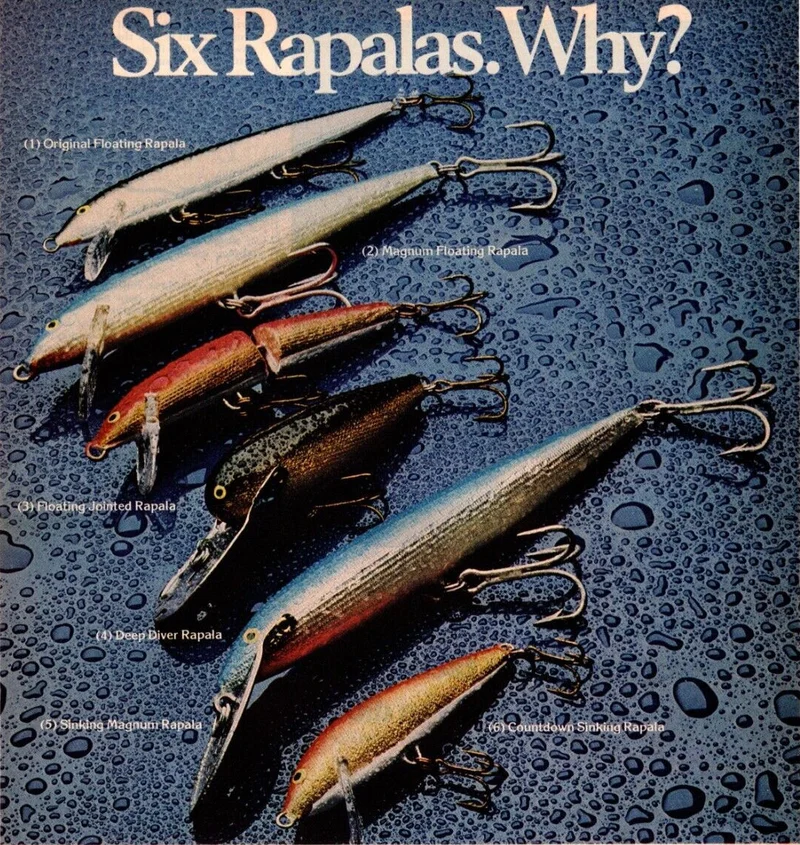
The cork has become balsa and the foil has become paint, but the shape and the swimming action are the ones Rapala carved, and the company says every lure is still hand-tuned and tested in a tank before it is sold. The factory at Vääksy, in the same parish, remains the centre of its lure making.
Timeline
- 1936 First made · Claimed Rapala Original Floater enters production in Päijät-Häme, Finland.
- 1959 Production Ray Ostrom of Minneapolis writes asking to buy the lures; with Ron Weber he begins selling them in America.
- 1962 Recognised Life magazine features the lure in the issue reporting Marilyn Monroe's death; output rises from 270,000 to 1.6 million a year within two years.
- 1973 Production Rapala opens a factory at Vääksy in Asikkala, still the centre of its lure making.
- 2000 Ownership Rapala joins the French hook maker VMC to form Rapala VMC.
Milestones as we found them, not as we've checked them.
From the archive
More like this
-
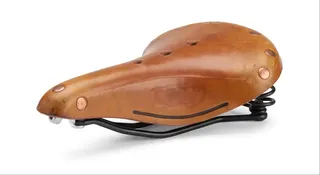 Bikes & Accessories · since 1898 Brooks B17 A slab of leather on a steel frame, broken in by the rider, since 1898. Read the entry →
 -
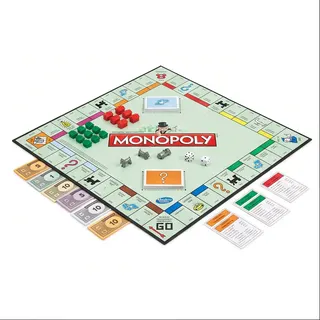 Games & Puzzles · since 1935 Monopoly The board game of capitalism, in continuous production since 1935. Read the entry →
 -
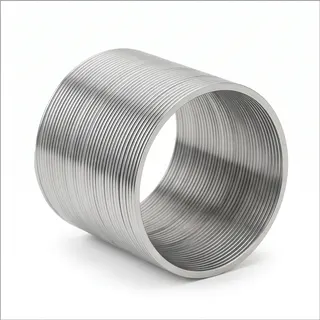 Toys · since 1945 Slinky A coil of steel that walks downstairs, first sold in Philadelphia for a dollar in 1945. Read the entry →
 -
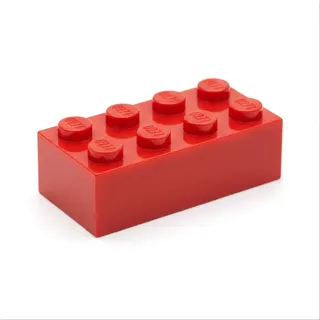 Toys · since 1958 LEGO Brick A brick from 1958 still clicks into one made this morning. Read the entry →