Health & Grooming · Shaving & Hair · Shaving
Thiers-Issard
Straight Razor (Thiers-Issard)
Since 1884 · 142 years to 2026 · First made in Thiers, France
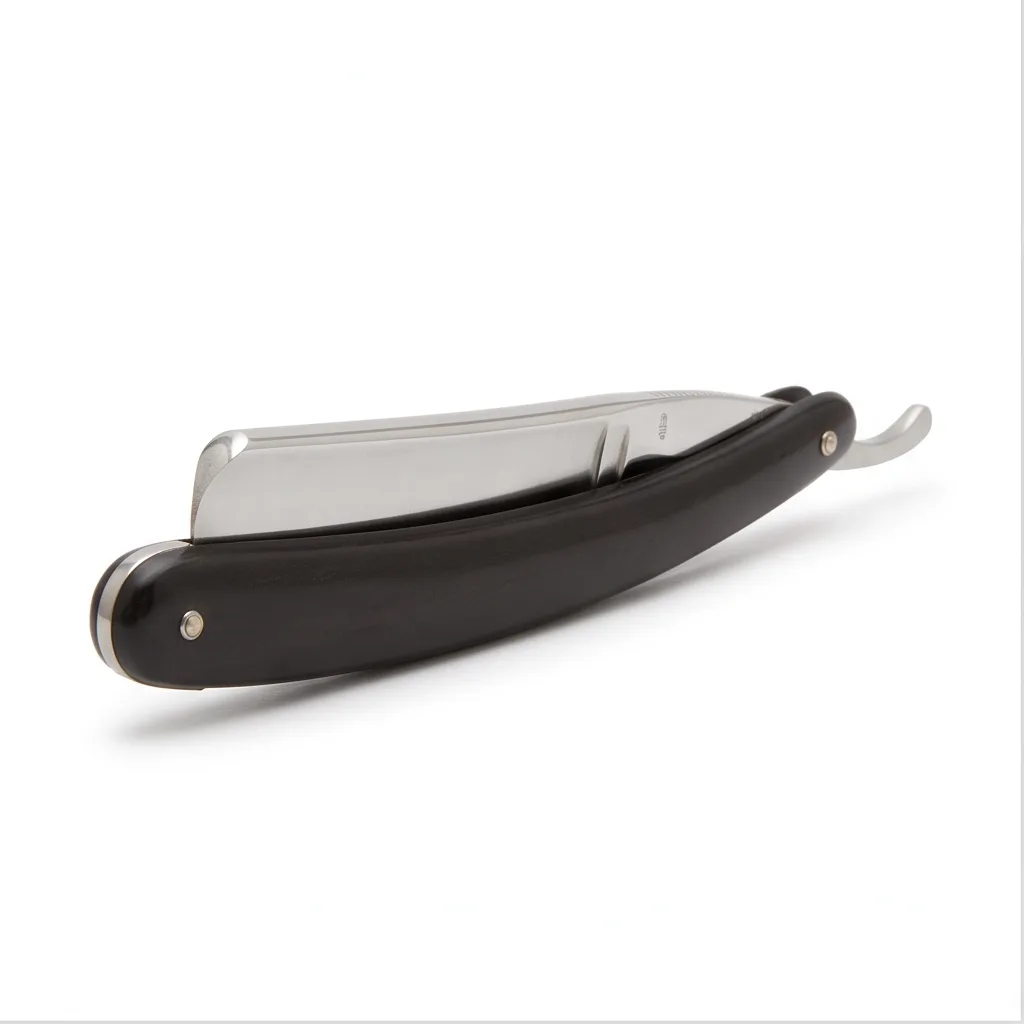
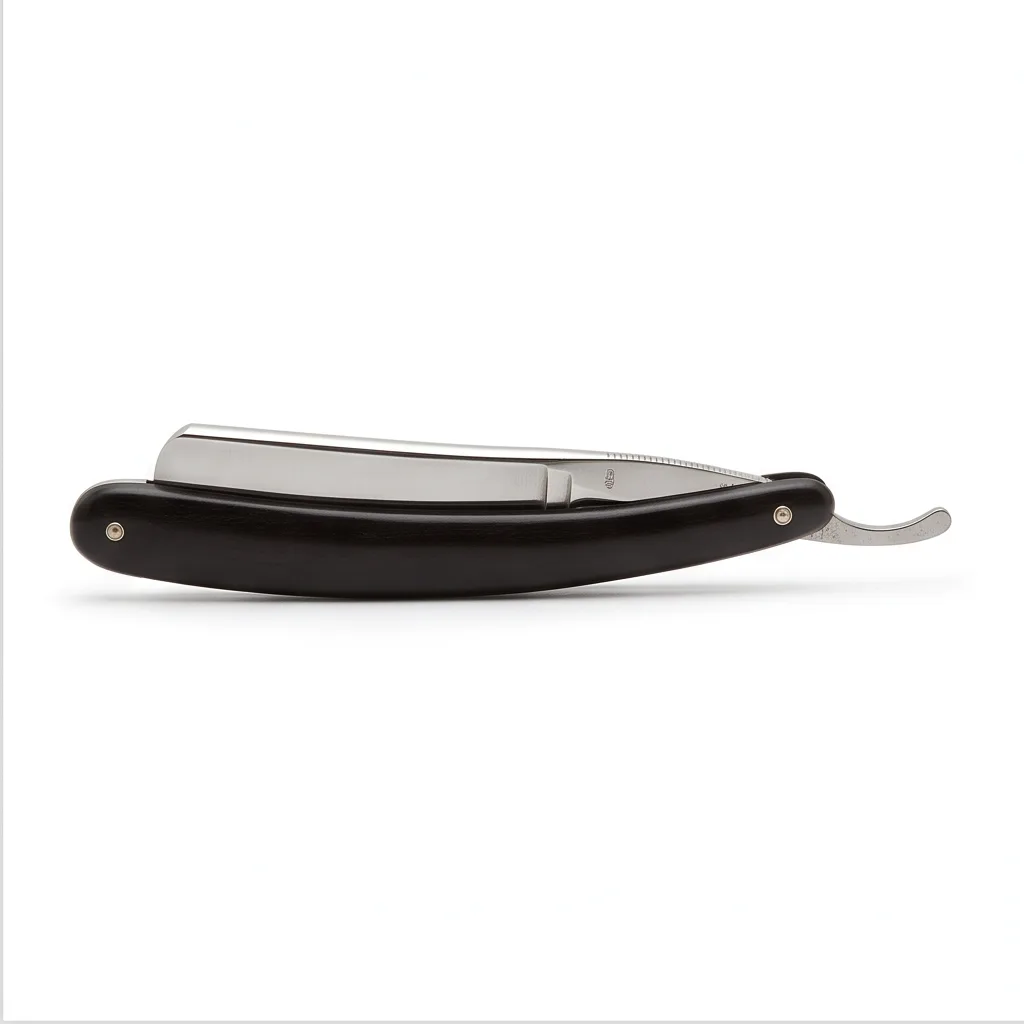
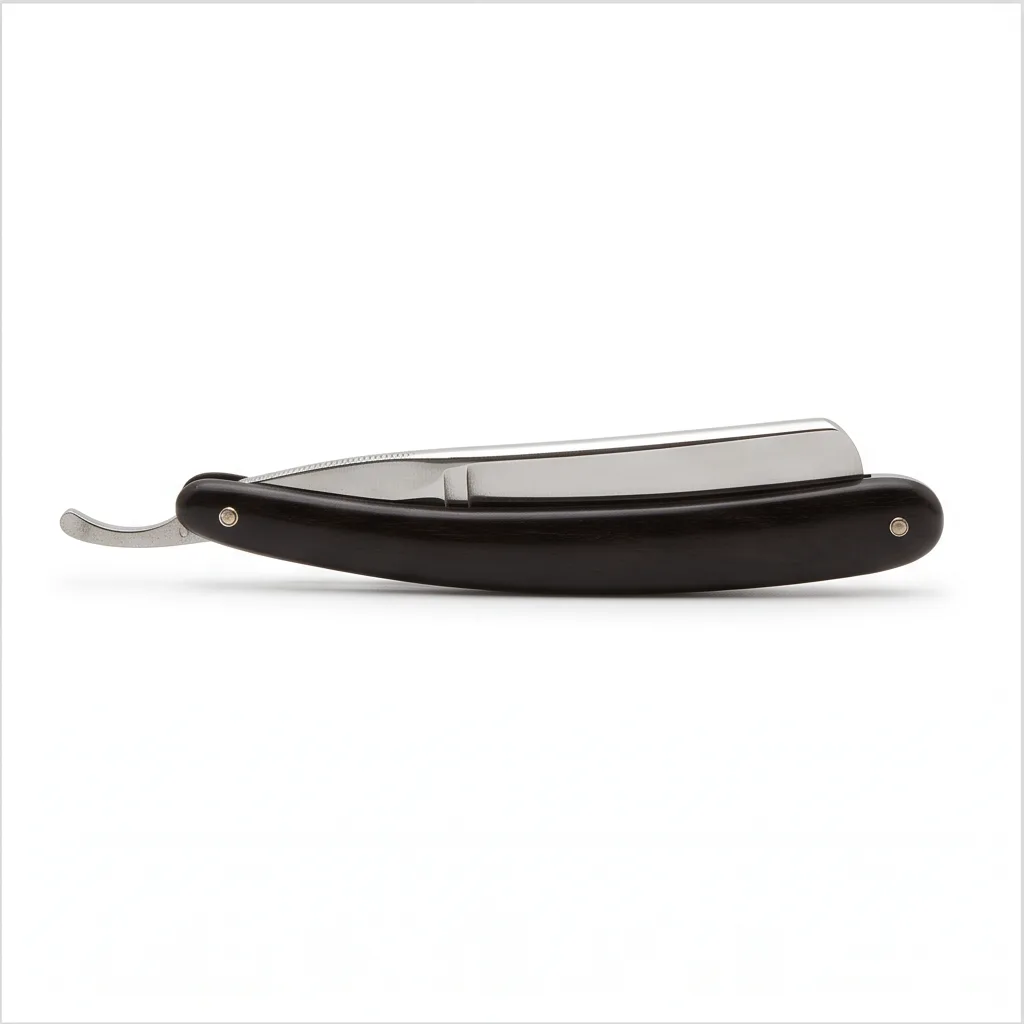
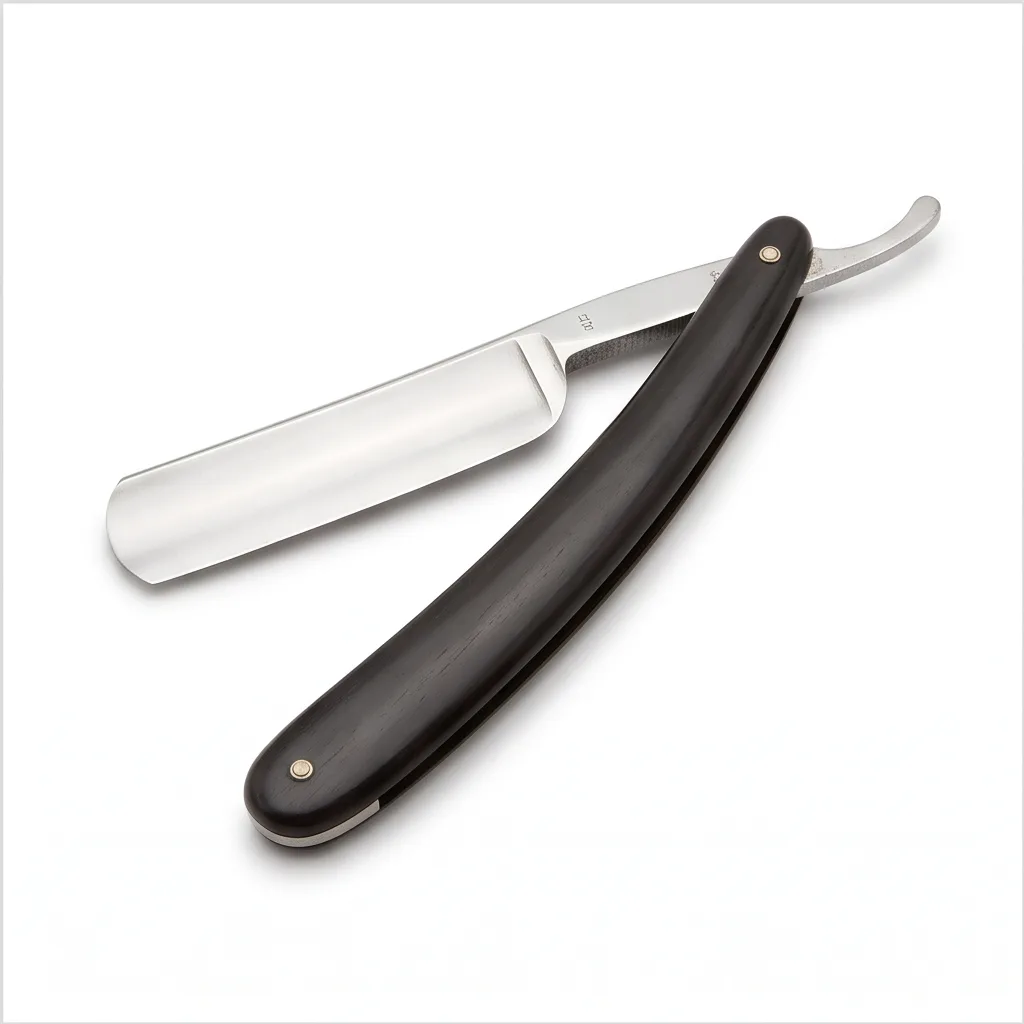
The straight razor represents one of the most refined expressions of cutlery craft, and Thiers-Issard's version embodies the standards established by its founder, Pierre Thiers, a master forger whose reputation for exceptional work drew discriminating buyers across Europe. Born in 1860, Thiers served a twenty-four-year apprenticeship under another master razor maker before establishing his own forge in 1884, naming it after his wife's family to distinguish his products from those of other Thiers family members still active in the trade. His razors became sought after for their balance of sharpness, durability, and finish—qualities that demanded both technical precision and physical mastery. Contemporary accounts describe Thiers delivering ten thousand hammer blows in a typical workday, a measure of the intensity required to forge steel to the necessary standard.
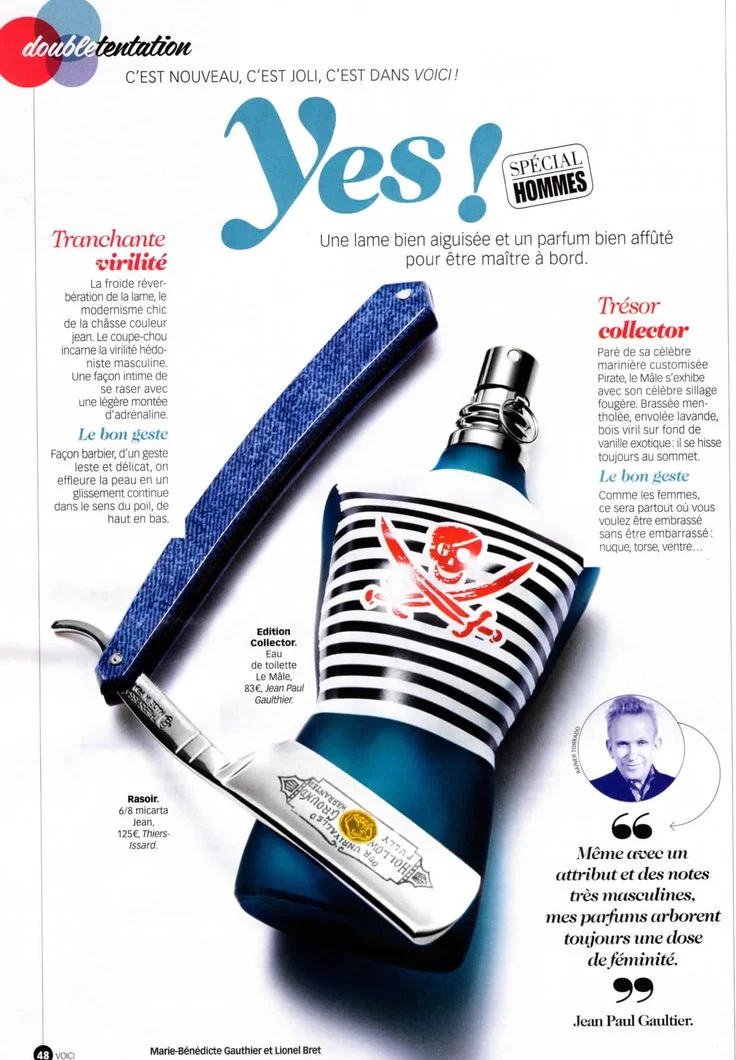
The manufacture of a Thiers-Issard razor begins with a blank supplied by the steel manufacturer, traditionally Sheffield silver steel. The blade is cleaned through a heavy forging process called detourage, then a hole is drilled in the tang—a critical step that must occur before hardening, as hardened steel cannot be drilled without specialized industrial methods. Decoration, or guiochage, is applied at this stage while the steel remains malleable enough to carve. The blade is then hardened in a bath of molten lead at 800°C, a process that enables rapid, uniform heating to the precise temperature for maximum hardness. Tempering follows at 300°C, restoring flexibility and eliminating brittleness. This lead-hardening technique, now prohibited elsewhere on health grounds, continues at Thiers-Issard under special exemption, a distinction that reflects both the company's historical significance and the technical superiority the process delivers.
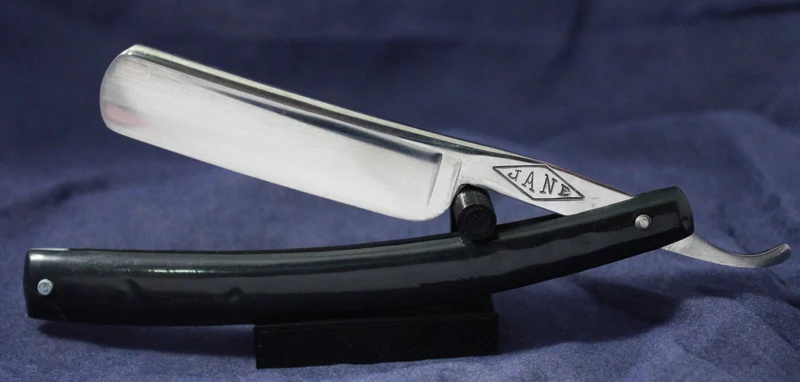
The straight razor occupied a particular place in nineteenth and early twentieth-century masculine grooming, a tool that required skill, discipline, and daily ritual. Unlike mass-produced alternatives, a Thiers-Issard razor was an object of craft, its quality evident in the weight, balance, and edge retention. The company has survived ownership transitions, industrial change, and shifts in grooming fashion by maintaining the standards Thiers established: handwork as the rule rather than exception, materials chosen for performance rather than economy, and processes refined but not fundamentally altered. The bone or horn handles, the friction lock system, the weight and geometry of the blade—these elements have remained consistent across generations because they work. In an era of disposable goods, the Thiers-Issard razor persists as an object designed to be maintained, sharpened, and passed forward, a form of durability that has become its own kind of rarity.
Timeline
- 1884 First made · Verified Straight Razor (Thiers-Issard) enters production in Thiers, France.
- 1929 Ownership Pierre Thiers Sr. dies and his son Pierre Thiers Jr. continues production with assistance from his mother.
- 1985 Ownership Philippe Thiers sells the company to Gilles Reynewaeter, who establishes SNETI Thiers-Issard.
Milestone dates are taken from the production notes behind this entry and have not been checked separately.
More like this
-
 Shaving · since 1906 Dovo Straight Razor German straight razor in continuous production since 1906. Read the entry →
 -
 Knives & Chopping · since 1884 Victorinox Fibrox Chef's Knife Swiss cutlery workshop's stamped steel knife, continuously made since 1884. Read the entry →
 -
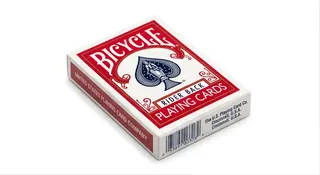 Games & Puzzles · since 1885 Bicycle Playing Cards The world's bestselling playing cards, continuously manufactured since 1885. Read the entry →
 -
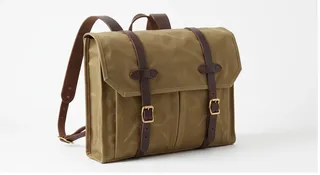 Backpacks · since 1882 Duluth Pack #3 Canoe Pack The portage pack that shaped wilderness travel since 1882. Read the entry →