Kitchen & Dining · Dining & Drinks · Coffee & Tea
Bialetti
Bialetti Moka Express
Since 1933 · 93 years to 2026 · First made in Omegna, Italy
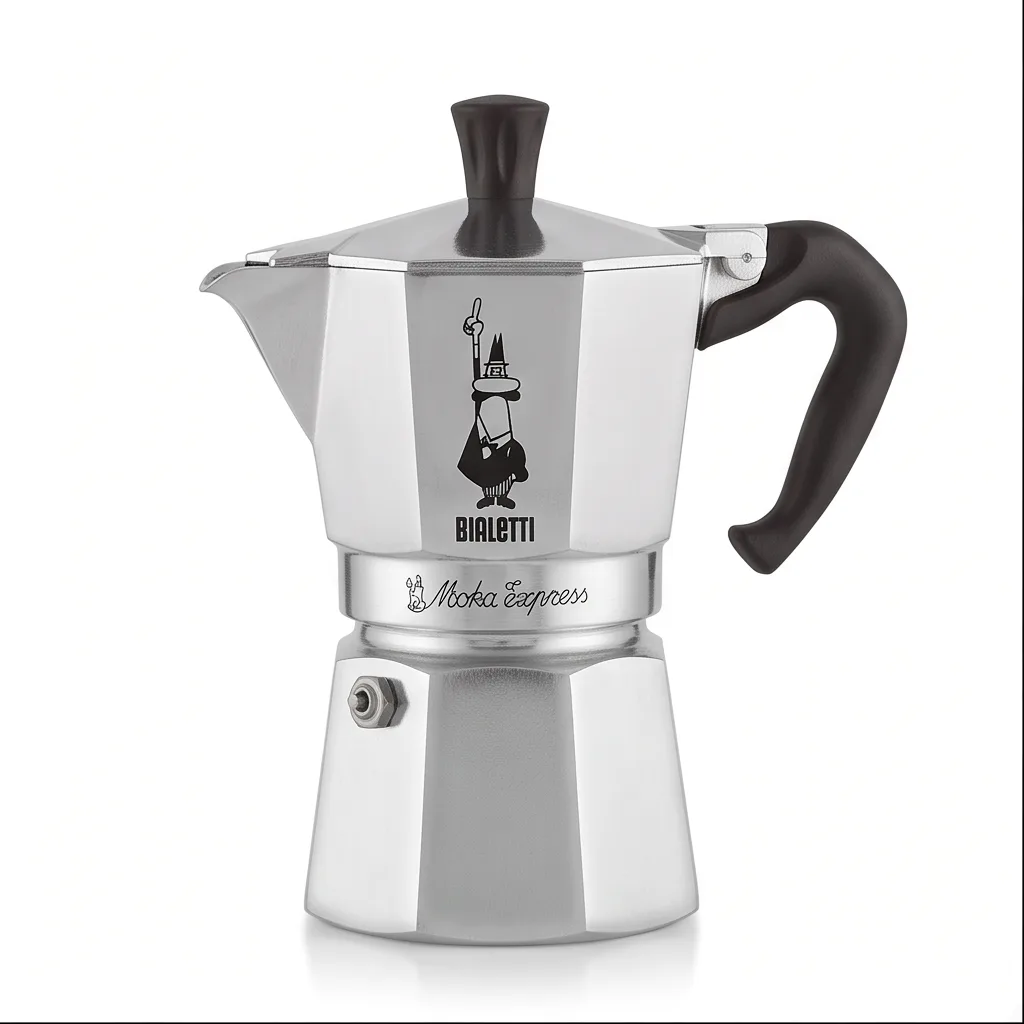
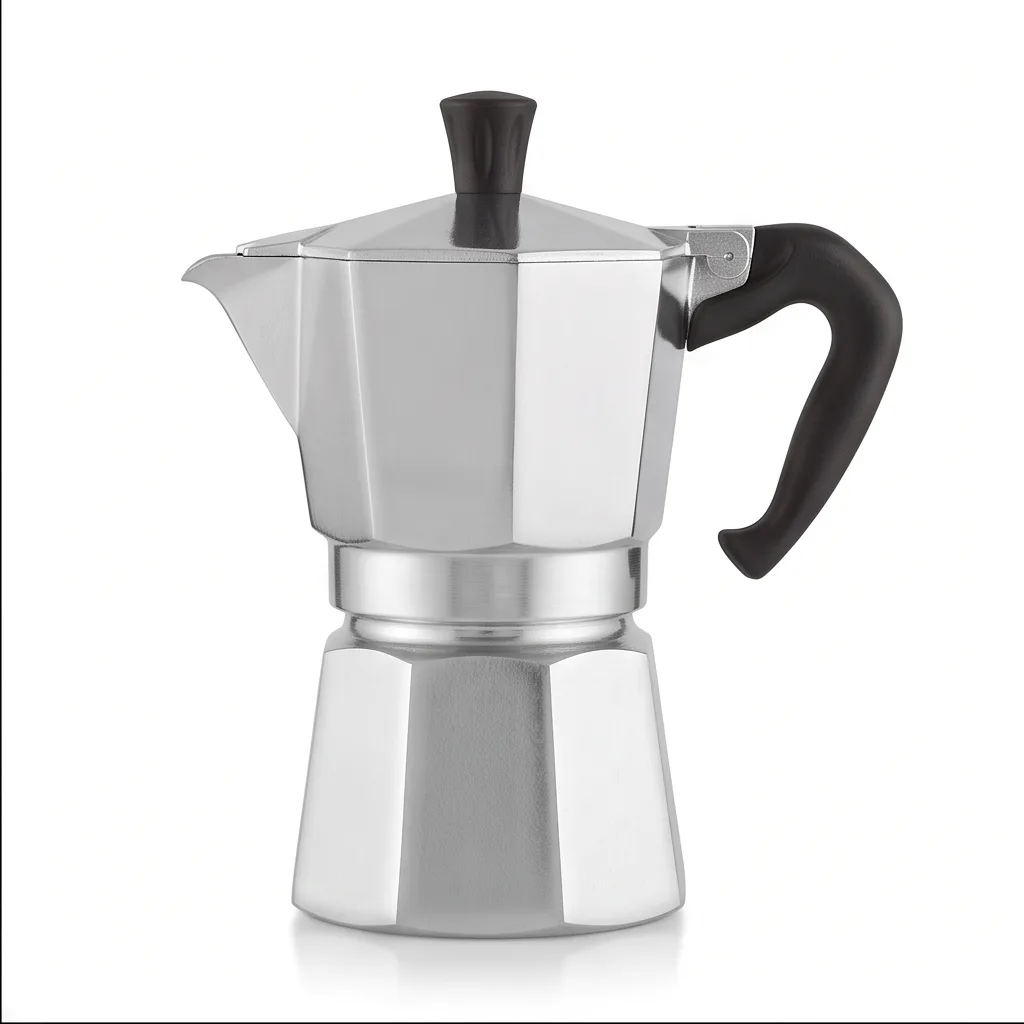
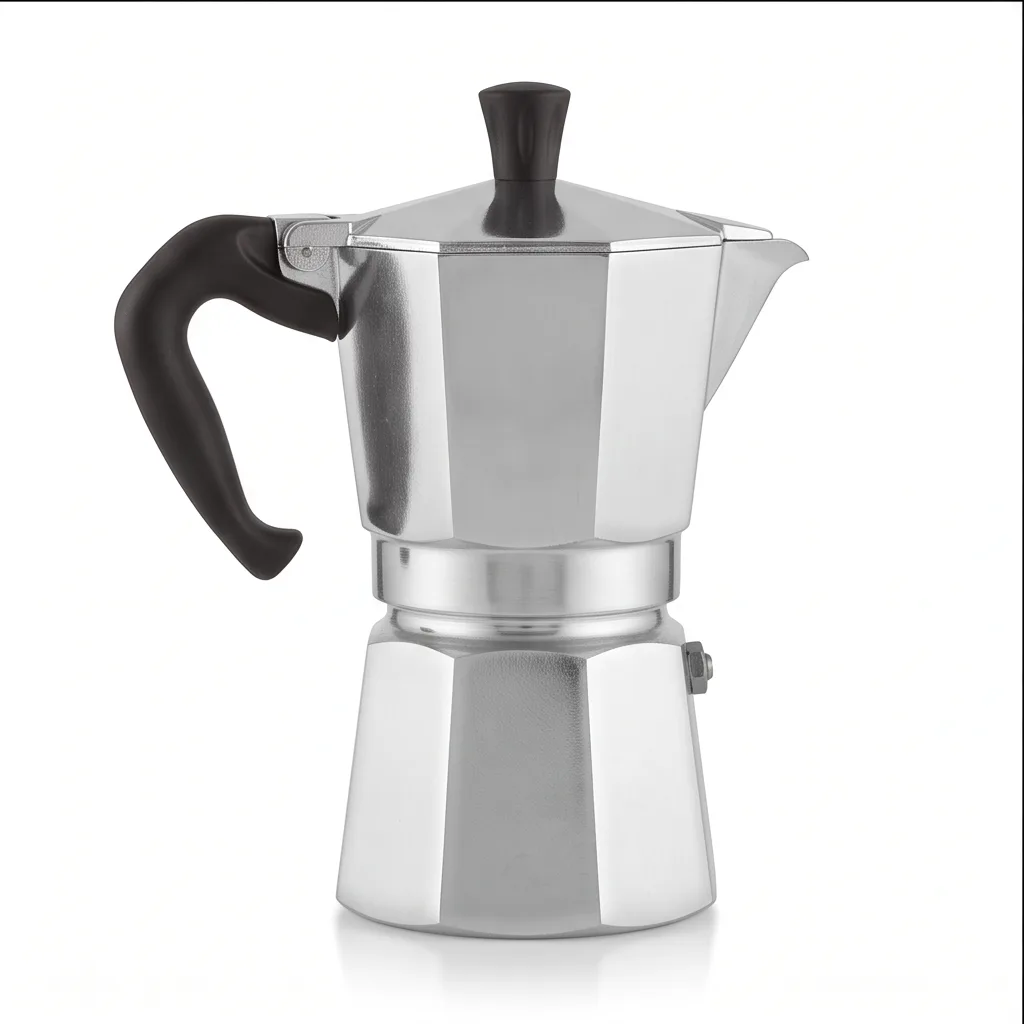
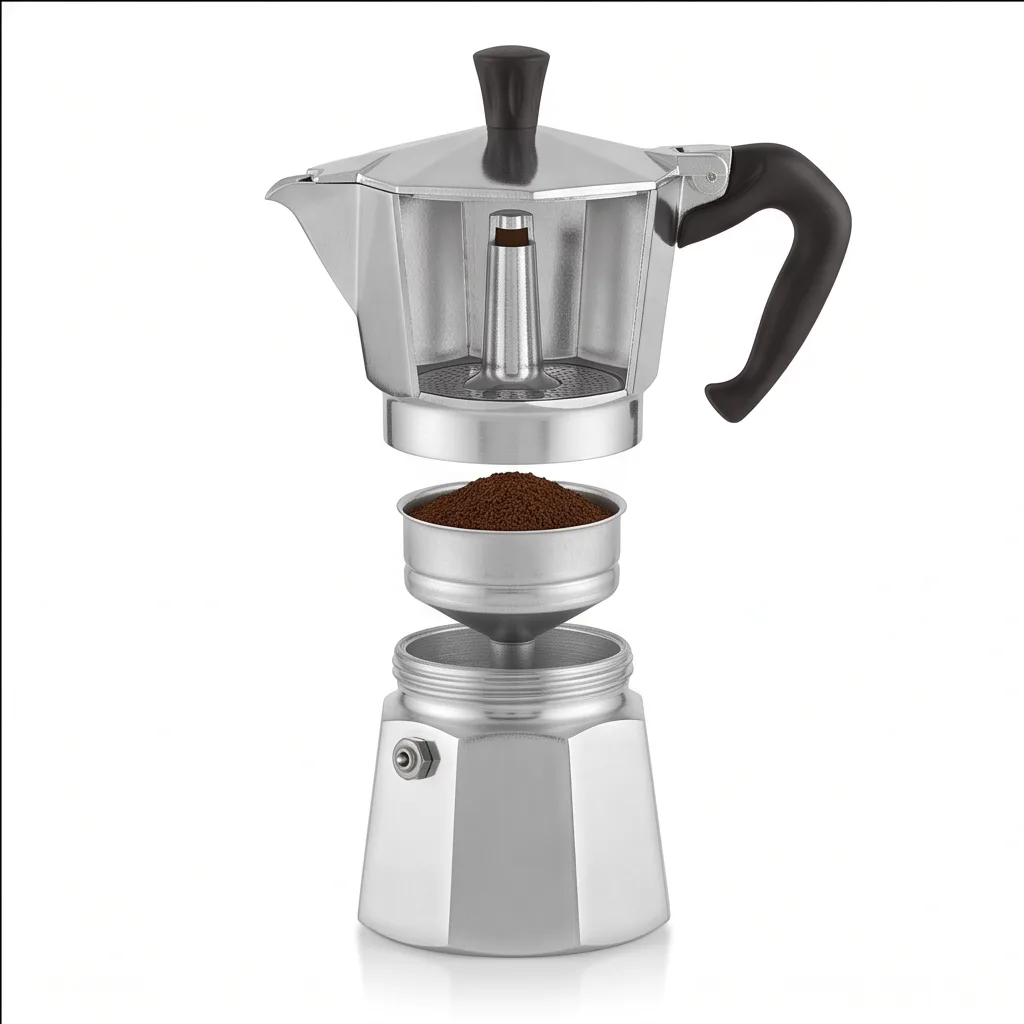
The Moka Express emerged from a moment of radical transformation. In early 1930s Italy, Alfonso Bialetti sought to democratize café-quality coffee, bringing the espresso experience into domestic kitchens through a simple, elegant object. Observing a lisciveuse—a French laundry device that forced water upward through a central tube—he recognized the principle that would become the Moka: three chambers stacked vertically, where heat forces water from the lower chamber through ground coffee in the middle basket, emerging into the upper chamber as brewed coffee. He chose aluminum, a material associated with modernity, lightness, and resistance. The resulting design, with its distinctive eight-sided profile and octagonal silhouette, achieved iconic status not through stylistic excess but through absolute functional clarity. The form became so definitive that it required patent protection for its originality.
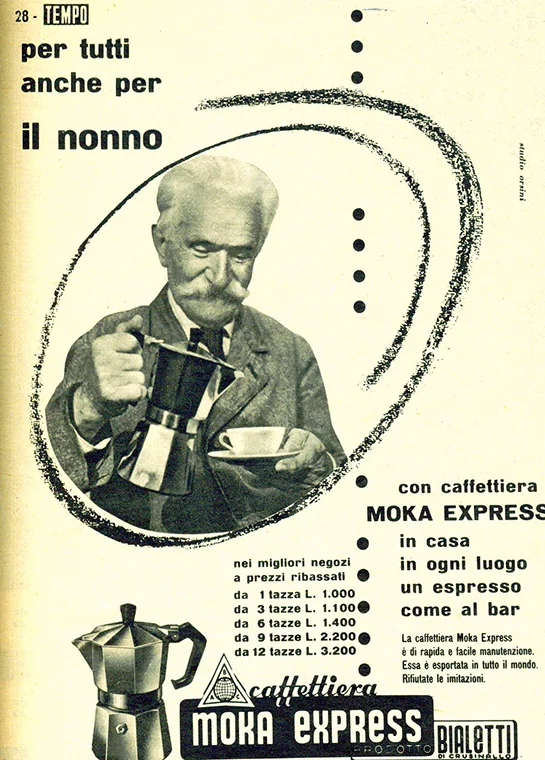
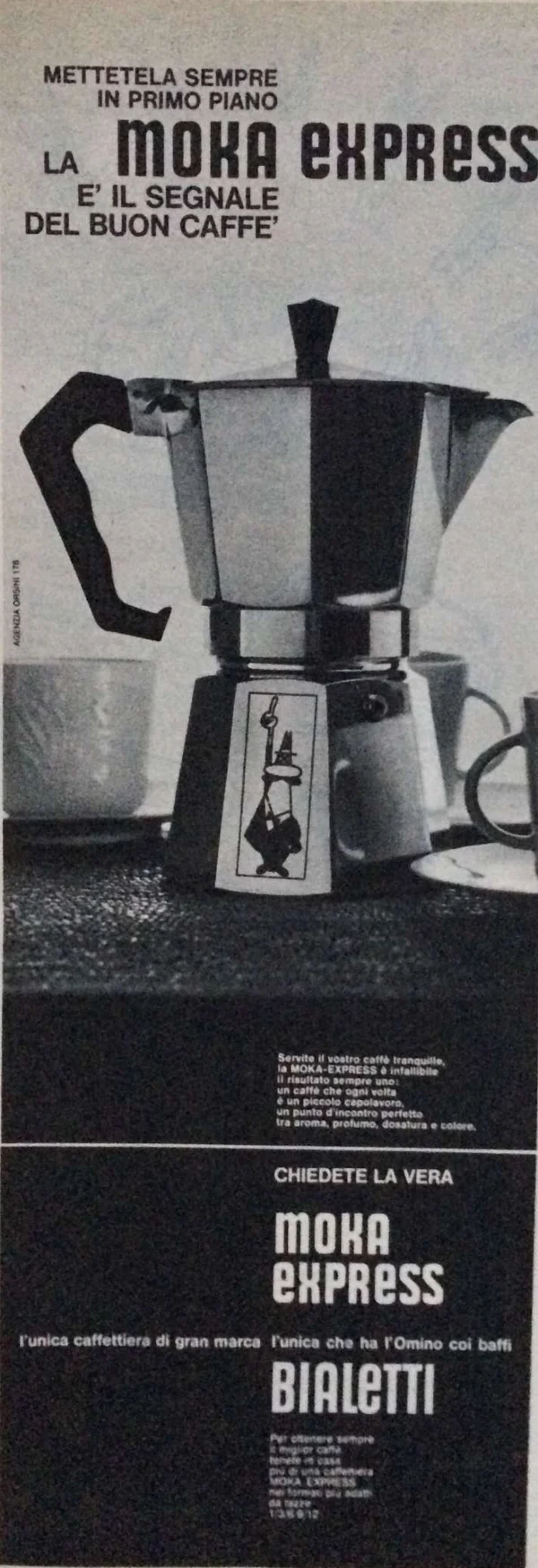
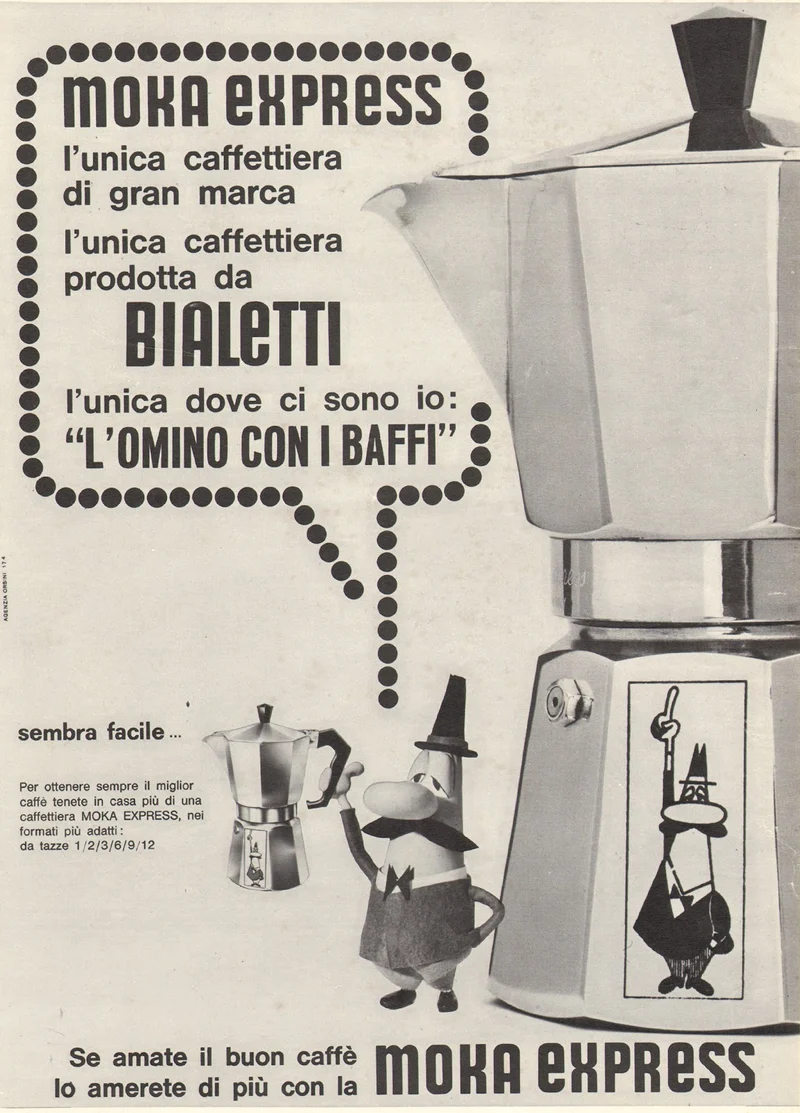
What sustained the Moka Express across nearly a century was its fundamental rightness for a particular way of living. For Italian households, the ritual of morning coffee preparation—the sound of the water heating, the moment when the coffee rises and fills the upper chamber, the aroma released—became inseparable from daily domestic life. The object demanded presence; it could not be rushed or delegated to automation. This alignment between form, function, and cultural practice proved remarkably resilient. When Renato Bialetti took control in 1946, he recognized the product's symbolic potential and invested in mass-market advertising, introducing the mustachioed man as a figure of knowable, approachable expertise. The slogan "Sembra facile"—it seems easy—captured the Moka's paradoxical appeal: technically ingenious yet universally accessible.
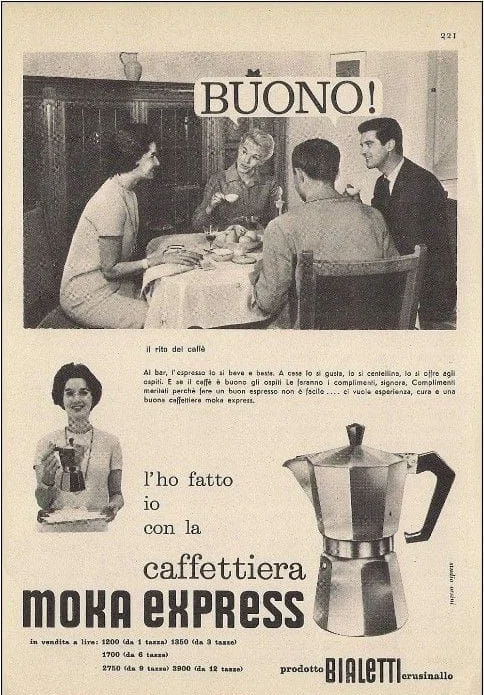
The Moka's survival through decades of kitchen innovation reflects something beyond nostalgia. It entered permanent museum collections, including the Triennale Design Museum in Milan and the Museum of Modern Art in New York, recognition of its status as industrial design of genuine consequence. Over one hundred million units have been sold worldwide. When induction cooktops threatened to render aluminum models obsolete, Bialetti did not retreat into heritage but adapted, introducing hybrid materials that preserved the essential form while extending functionality. The object endured because it solved a genuine problem with such clarity that subsequent solutions could only marginalize it rather than supersede it.
Timeline
- 1933 First made · Disputed Bialetti Moka Express enters production in Omegna, Italy.
- 1946 Ownership Renato Bialetti takes leadership of the company and begins expanding its market presence.
- 2006 Production Bialetti opens its first retail stores.
- 2014 Designed Bialetti introduces the Moka Induction, adapting the design for modern induction cooktops.
- 2021 Released Bialetti launches Perfetto Moka coffee, designed specifically for use with the pot.
Milestone dates are taken from the production notes behind this entry and have not been checked separately.
From the archive
More like this
-
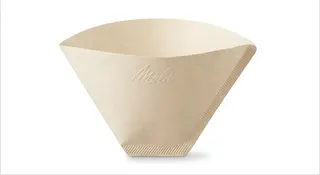 Coffee & Tea · since 1936 Melitta Cone Filter Cone-shaped paper filter, refined in 1936, continuously produced. Read the entry →
 -
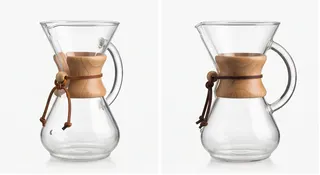 Coffee & Tea · since 1941 Chemex Coffeemaker Laboratory-inspired glass coffeemaker, patented 1941, still hand-assembled. Read the entry →
 -
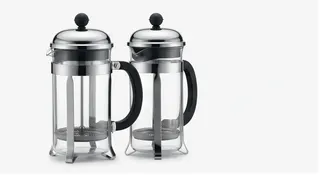 Coffee & Tea · since 1958 Bodum Chambord French Press The original French press, refined without interruption since 1958. Read the entry →
 -
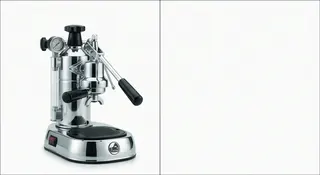 Coffee & Tea · since 1961 La Pavoni Europiccola Direct-lever espresso machine in continuous production since 1961. Read the entry →