Garden & Outdoor · Camping & Outdoor · Camping & Hiking
Brunton
Brunton Compass
Since 1894 · 132 years to 2026 · First made in Colorado
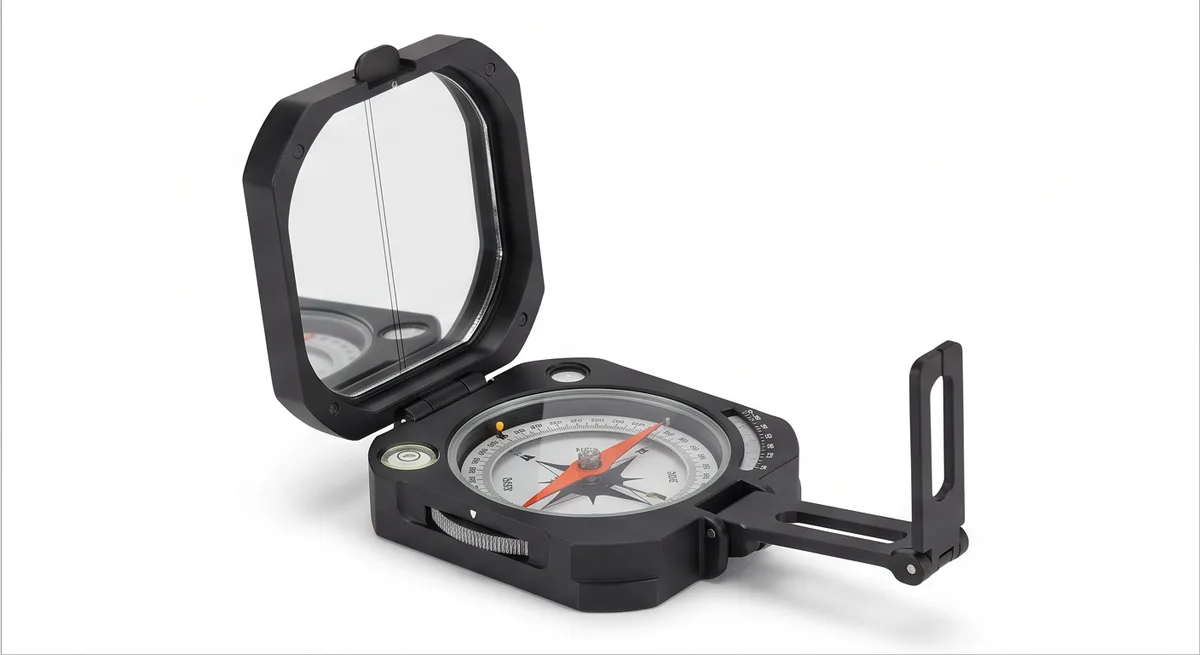
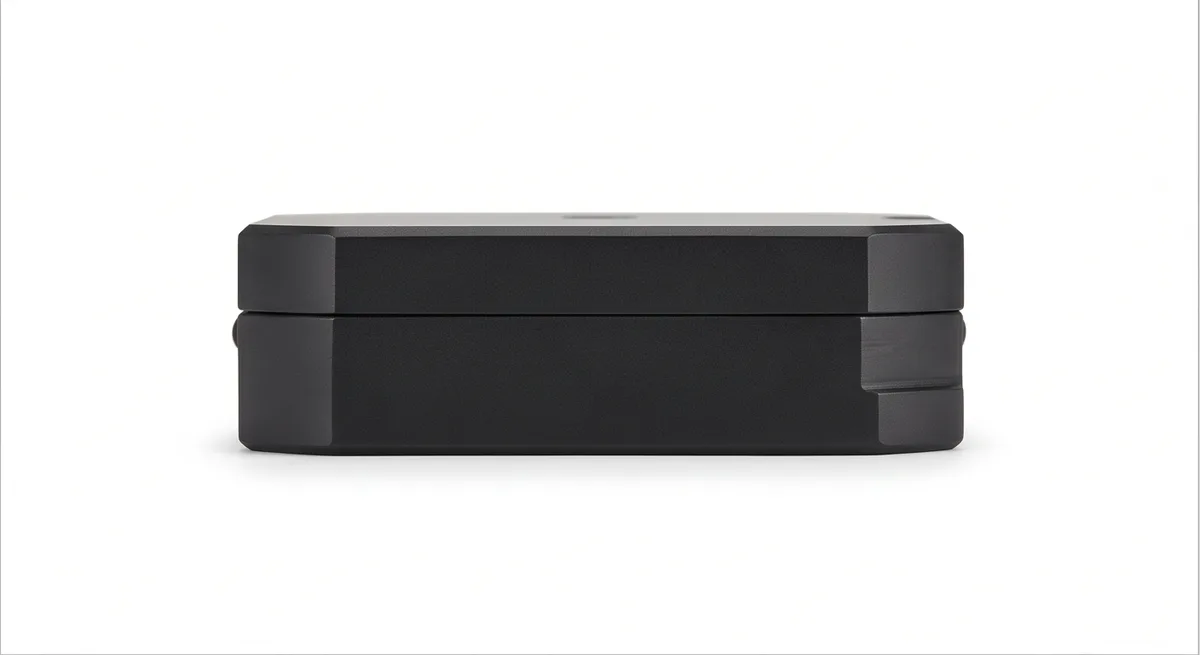
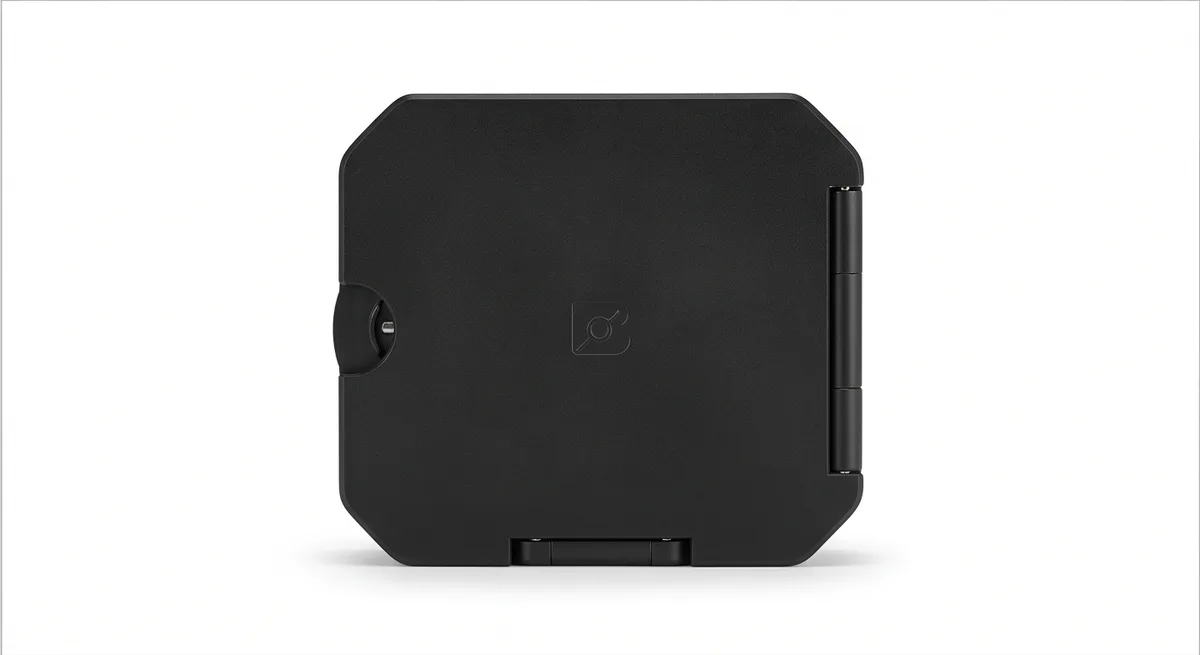
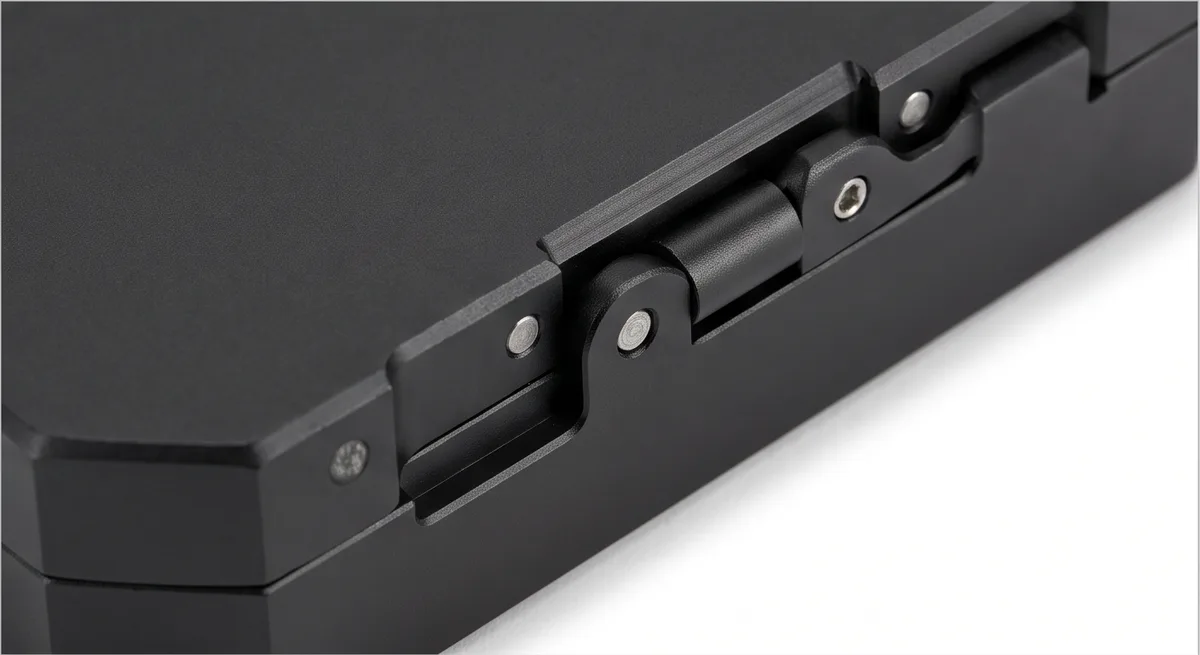
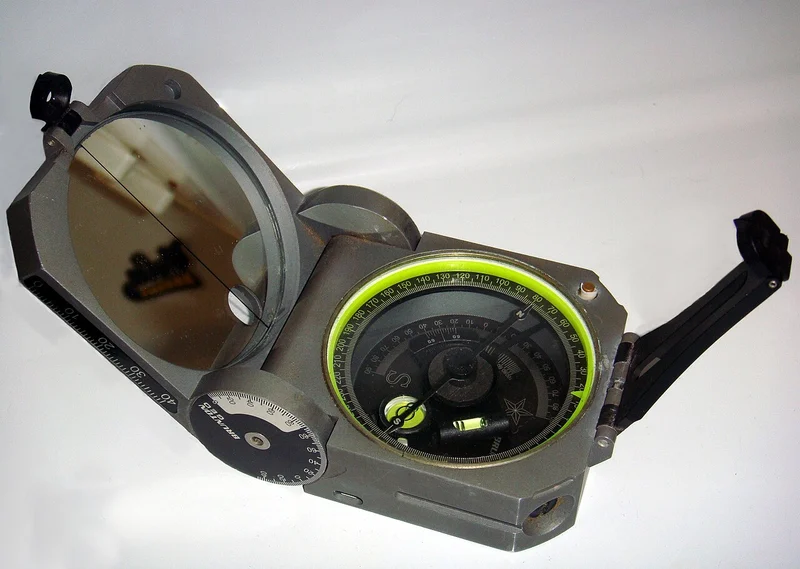
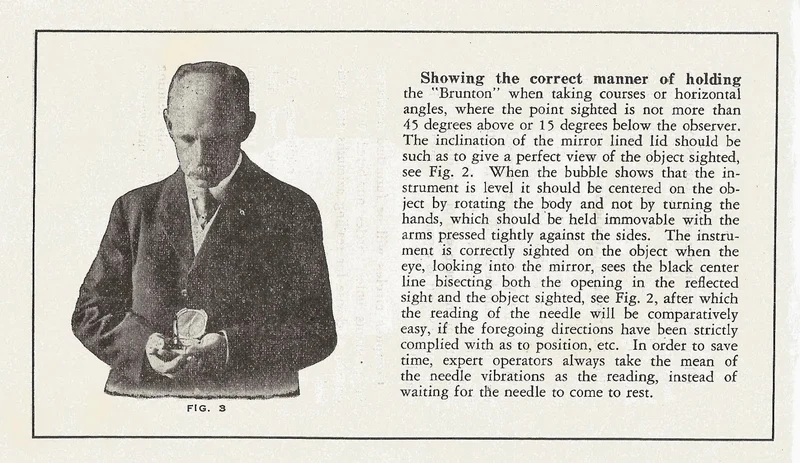
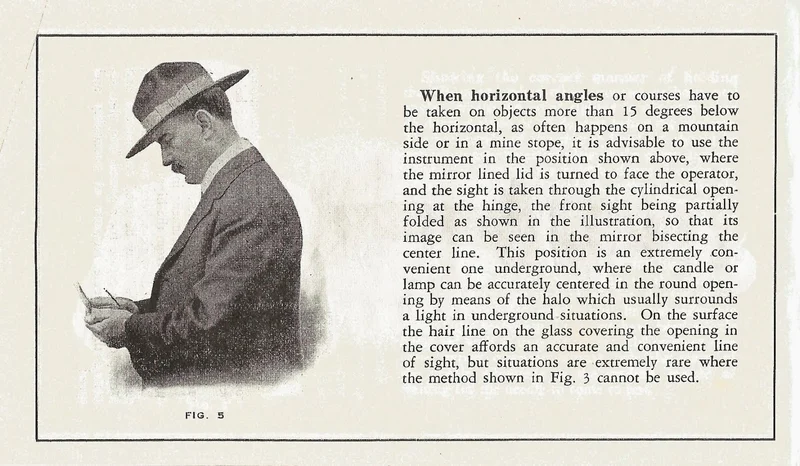
The Brunton Pocket Transit is a precision instrument designed for field measurement and navigation, combining a compass with a clinometer for measuring slope angles. en.wikipedia.org Unlike most modern compasses, it uses magnetic induction damping rather than fluid to stabilize the needle, allowing the user to read bearings while sighting distant objects through the instrument's folding sight and mirrored lid. americanhistory.si.edu The needle ring is graduated in degrees, with the western half of the face marked in quadrants and fitted with a clinometer featuring a vernier that reads to five-minute precision. The flat sides of the case allow the instrument to be set vertically for measuring vertical angles.
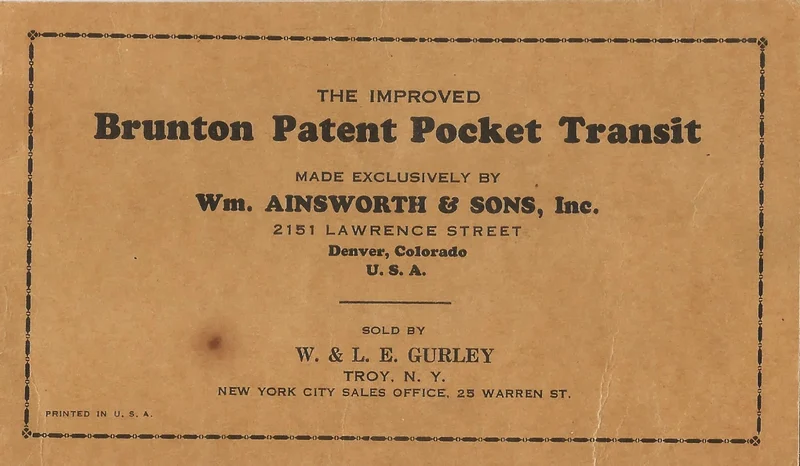
David W. Brunton invented the pocket transit after tiring of carrying heavy surveying equipment through the Rocky Mountains. americanhistory.si.edu His design was revolutionary for its portability and accuracy, and it quickly became the standard tool for geologists, surveyors, archaeologists, and mining engineers. The instrument's cultural reach extended so far that in professional geology circles, any pocket transit of any manufacturer came to be called simply "a Brunton." brunton.com

The pocket transit has endured through more than a century of ownership changes, factory relocations, and manufacturing innovations because its core design solved a genuine problem with elegant precision. Geologists, foresters, and field scientists continue to rely on it for its accuracy and durability in harsh conditions. The instrument's longevity also reflects the commitment of successive manufacturers—from Ainsworth & Sons in Denver to the Wyoming businessmen who moved production to Riverton in 1972, through international ownership, and now under local leadership again—to maintain both the original design and the standard of craftsmanship. brunton.com That the same basic design remains in production today, in numerous versions and configurations, testifies to the soundness of Brunton's original engineering.
Timeline
- 1894 First made · Verified Brunton Compass enters production in Colorado.
- 1896 Released Ainsworth & Sons begins manufacturing the pocket transit.
- 1972 Ownership A group of Wyoming businessmen purchase the brand and relocate manufacturing to Riverton, Wyoming.
- 1996 Ownership Silva of Sweden AB acquires Brunton.
- 2024 Ownership Two local inventors and educators acquire Brunton, returning ownership to Wyoming hands.
Milestone dates are taken from the production notes behind this entry and have not been checked separately.
From the archive
More like this
-
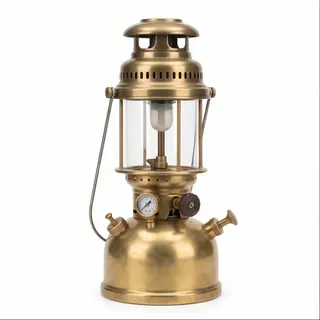 Camping & Hiking · since 1919 Tilley Lamp Pressurised paraffin lamp in continuous production since 1919 Read the entry →
 -
 Flasks & Bottles · since 1908 Vimto Cordial Manchester herbalist's secret-recipe cordial, continuously produced since 1908. Read the entry →
 -
 Flasks & Bottles · since 1908 Sigg Aluminum Bottle Extruded aluminum bottle, continuously produced since 1908. Read the entry →
 -
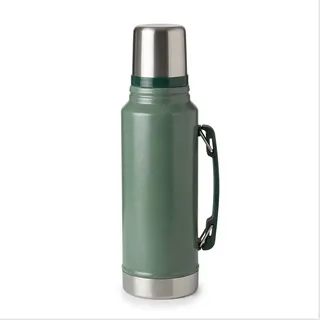 Flasks & Bottles · since 1913 Stanley Vacuum Bottle All-steel vacuum flask, patented 1913, continuously produced. Read the entry →