Garden & Outdoor · Camping & Outdoor · Flasks & Bottles
Sigg
Sigg Aluminum Bottle
Since 1908 · 118 years to 2026 · First made in Frauenfeld, Switzerland
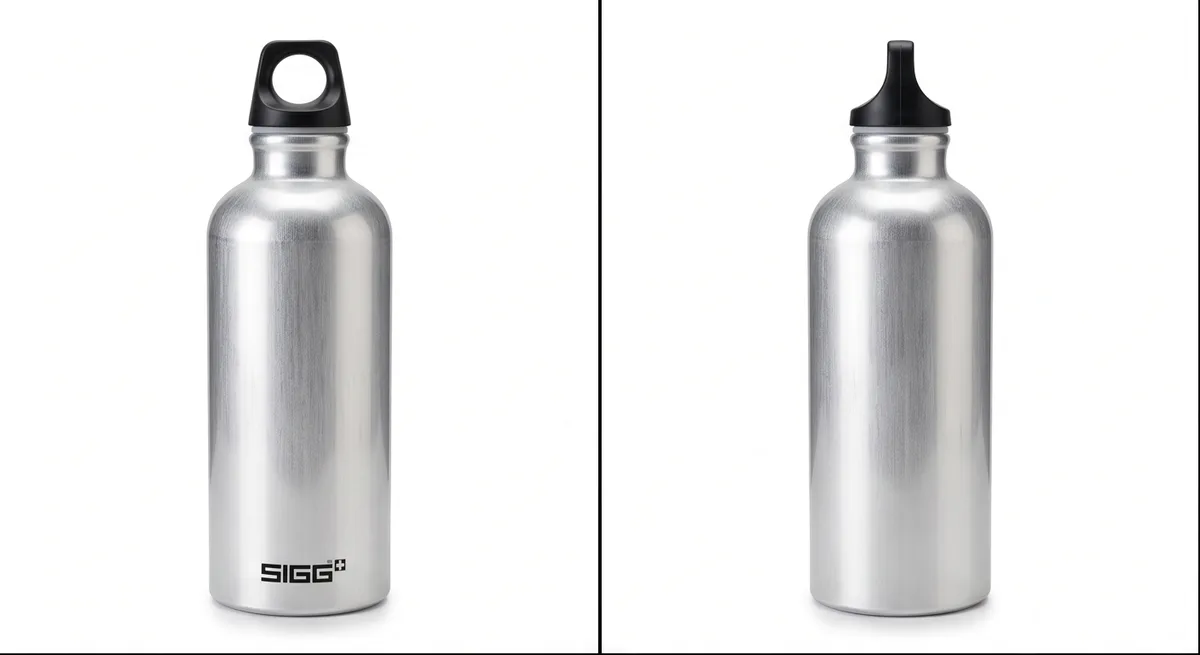
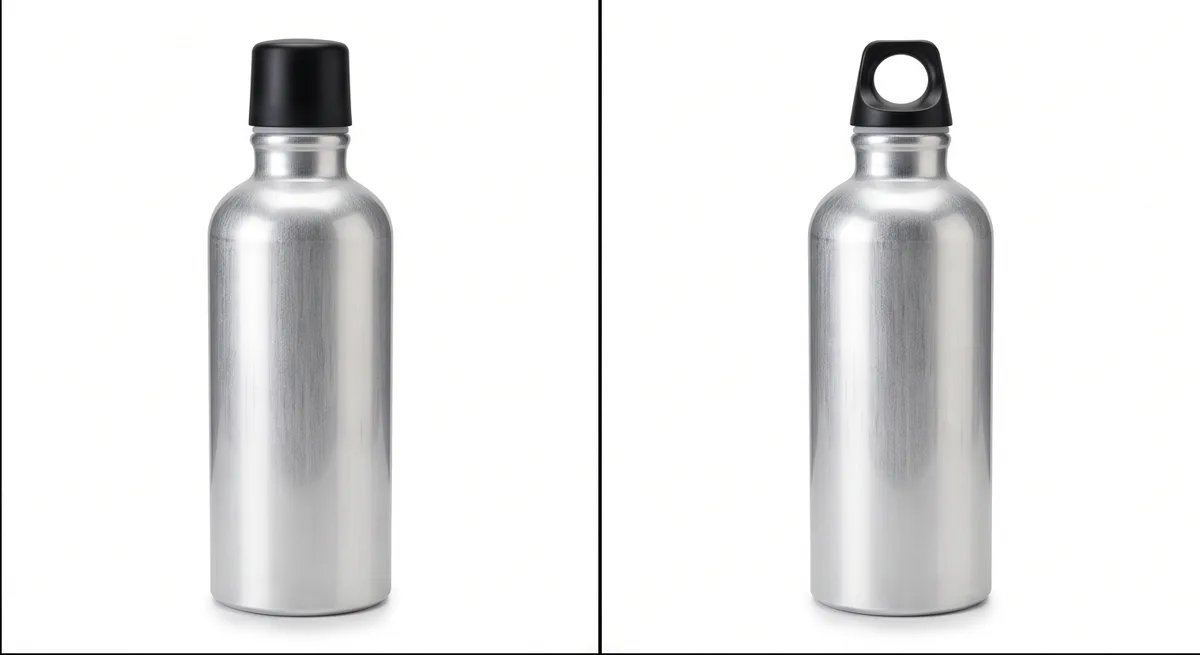
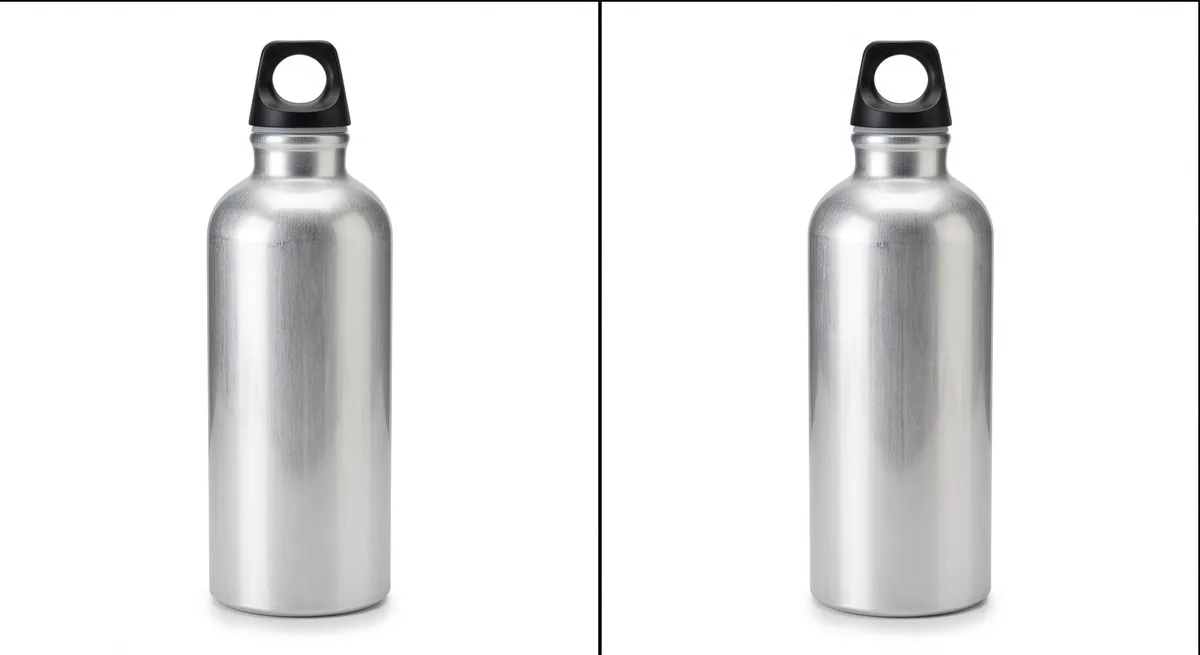
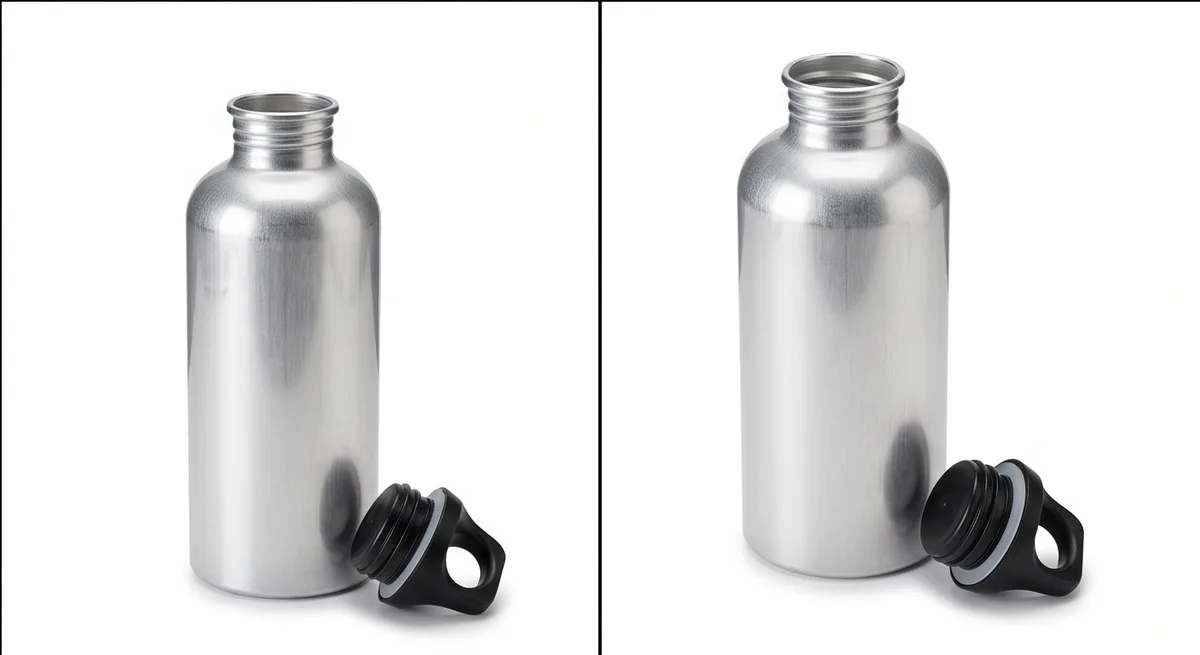
The Sigg aluminum bottle represents an unusual case of industrial continuity: a single product form, refined rather than replaced, sustaining a company across more than a century of economic and technological change. Extruded from a single piece of aluminum, the bottle's basic geometry was established in the 1920s as a hot water bottle—a practical choice of material and method that eliminated the corrosion-prone welding seams of competing iron and copper designs.
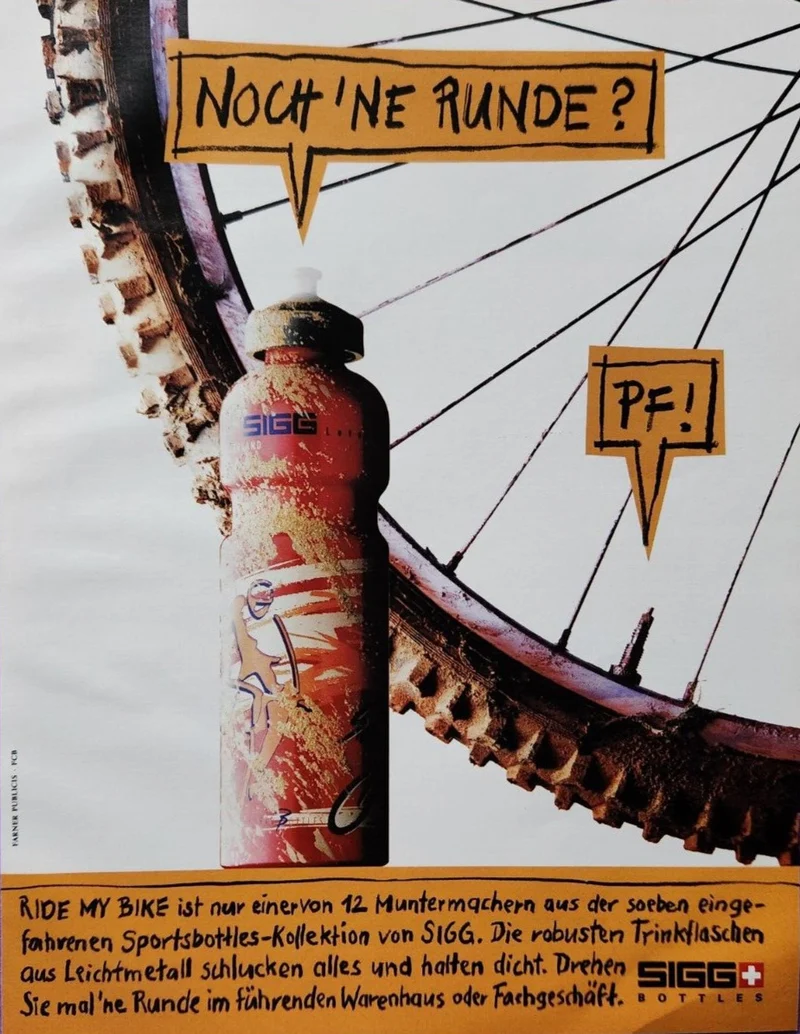
What began as a utilitarian household item acquired new purpose through incremental design refinement. In 1968, designer Johann Munz introduced a plastic screw cap featuring a carrying hole, a detail borrowed from contemporary Sigg frying pan lids. This small feature proved consequential: the hole transformed the object's social life, making it portable enough for hiking and camping. By the 1980s, under designers including Kurt Zimmerli, the bottle had been repositioned entirely as sports equipment, offered in varied volumes and colors, and marketed to mountain climbers and athletes. The form that had served Swiss households as a bedside companion became a global accessory.
The bottle's longevity owes partly to its material and manufacturing logic. Aluminum's lightness and the efficiency of single-piece extrusion meant the design could be produced economically across decades without fundamental retooling. The simplicity of the form also permitted endless variation in surface finish, color, and decoration without altering the underlying structure. By the 1950s and 1960s, Sigg-branded aluminum goods were ubiquitous in Swiss homes; the bottle itself eventually entered the Museum of Modern Art in New York, a recognition of its status as industrial design.
Production has remained centered in Frauenfeld, Switzerland, even after the company's acquisition by Chinese ownership in 2016. The bottle continues to be manufactured using the same fundamental process—a 600-ton piston stroke forming a disc into a cylinder, followed by up to 26 stages of progressive molding, interior varnishing, and screen-printed decoration. This constancy of method, combined with the product's adaptability to changing uses and markets, explains its presence in catalogues from 1920 to the present day.
Timeline
- 1908 First made · Verified Sigg Aluminum Bottle enters production in Frauenfeld, Switzerland.
- 1917 Production The company relocates to Frauenfeld and is renamed SIGG AG Aluminiumwarenfabrik.
- 1936 Ownership SIGG is acquired by Aluminiumfabrik Menziken, stabilizing the company.
- 1980 Released The bottle is actively marketed as a drinking bottle for athletes and outdoor enthusiasts.
- 2016 Ownership SIGG is acquired by HAERS, a Chinese manufacturer of stainless steel vacuum bottles.
Milestones as we found them, not as we've checked them.
More like this
-
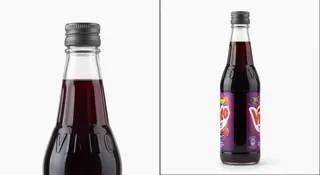 Flasks & Bottles · since 1908 Vimto Cordial Manchester herbalist's secret-recipe cordial, continuously produced since 1908. Read the entry →
 -
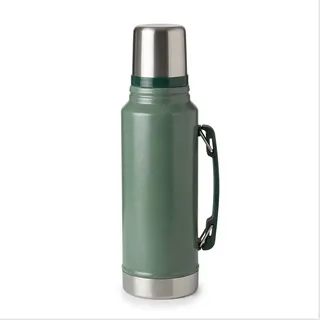 Flasks & Bottles · since 1913 Stanley Vacuum Bottle All-steel vacuum flask, patented 1913, continuously produced. Read the entry →
 -
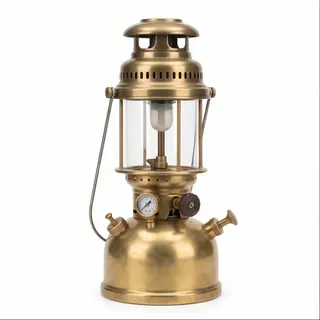 Camping & Hiking · since 1919 Tilley Lamp Pressurised paraffin lamp in continuous production since 1919 Read the entry →
 -
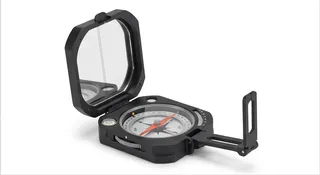 Camping & Hiking · since 1894 Brunton Compass Precision pocket transit, patented 1894, still hand-made in Wyoming. Read the entry →