Fashion · Footwear · Shoes
Clarks
Clarks Wallabee
Since 1968 · 58 years to 2026 · First made in Kilkenny, Ireland
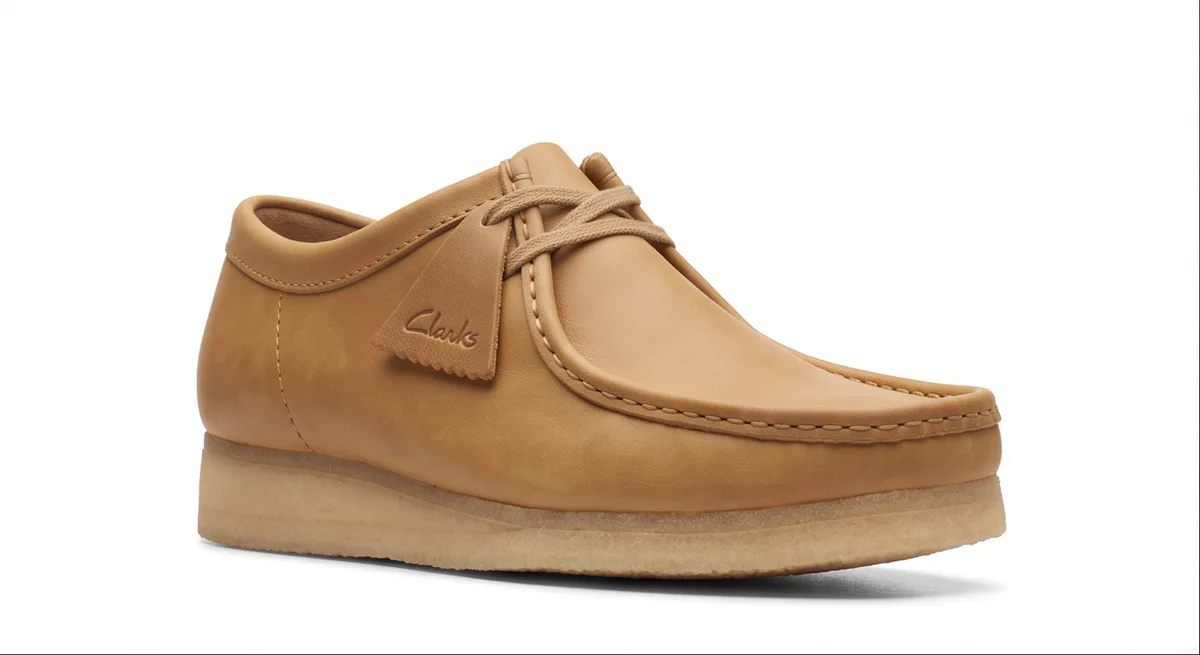
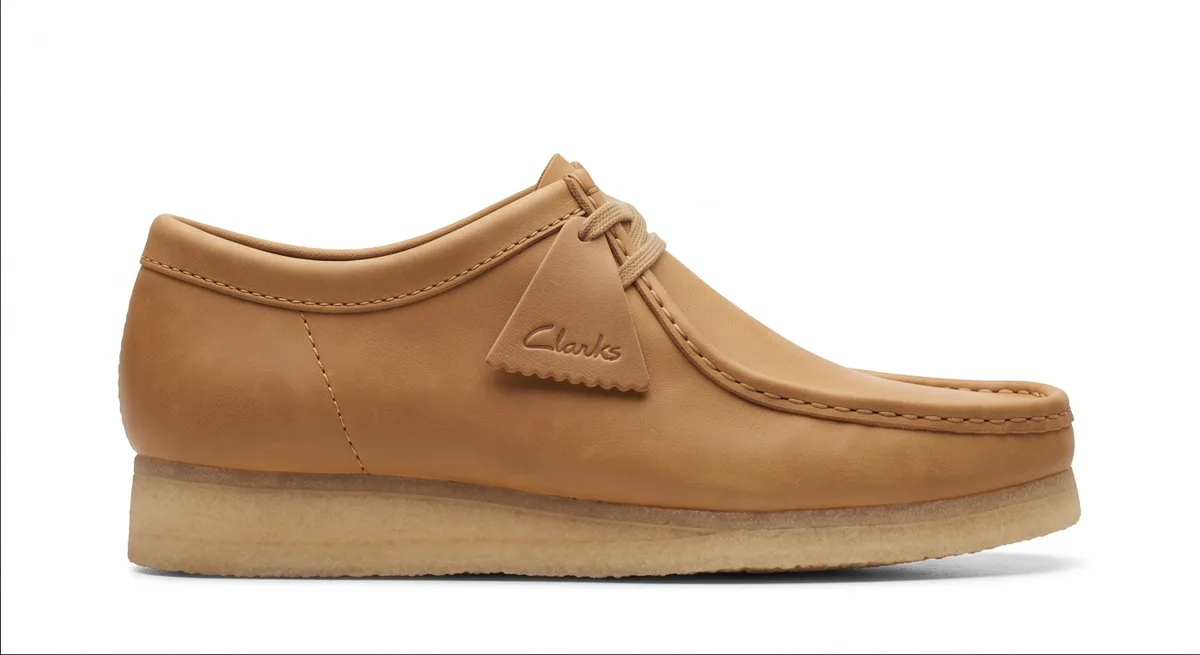
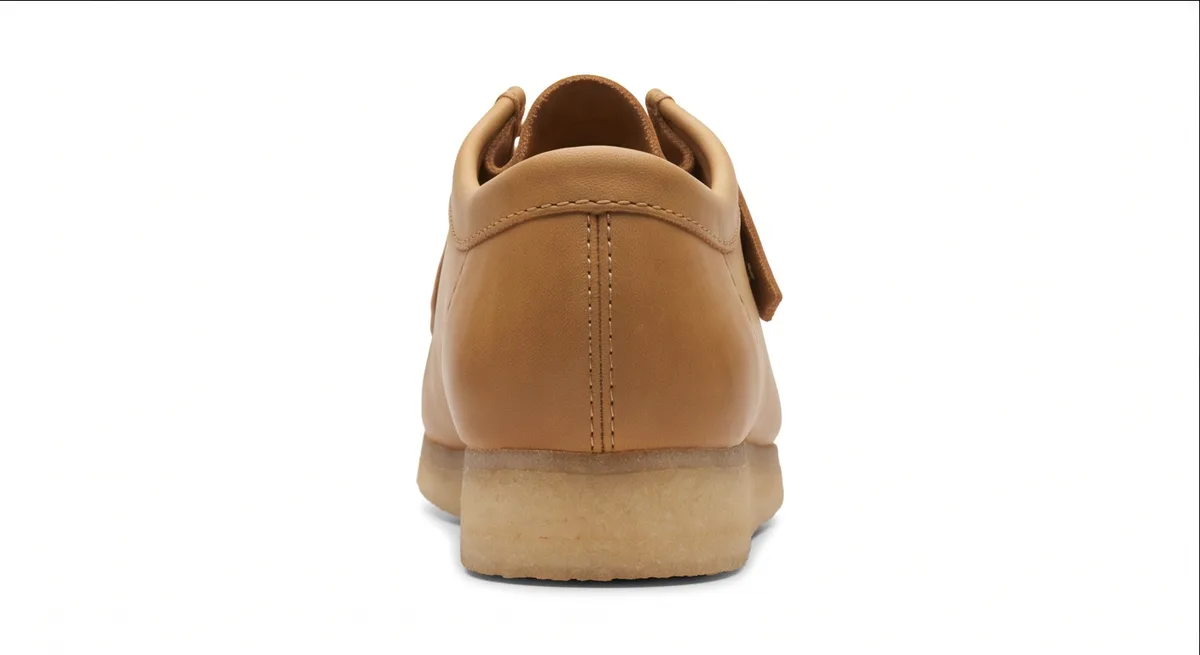
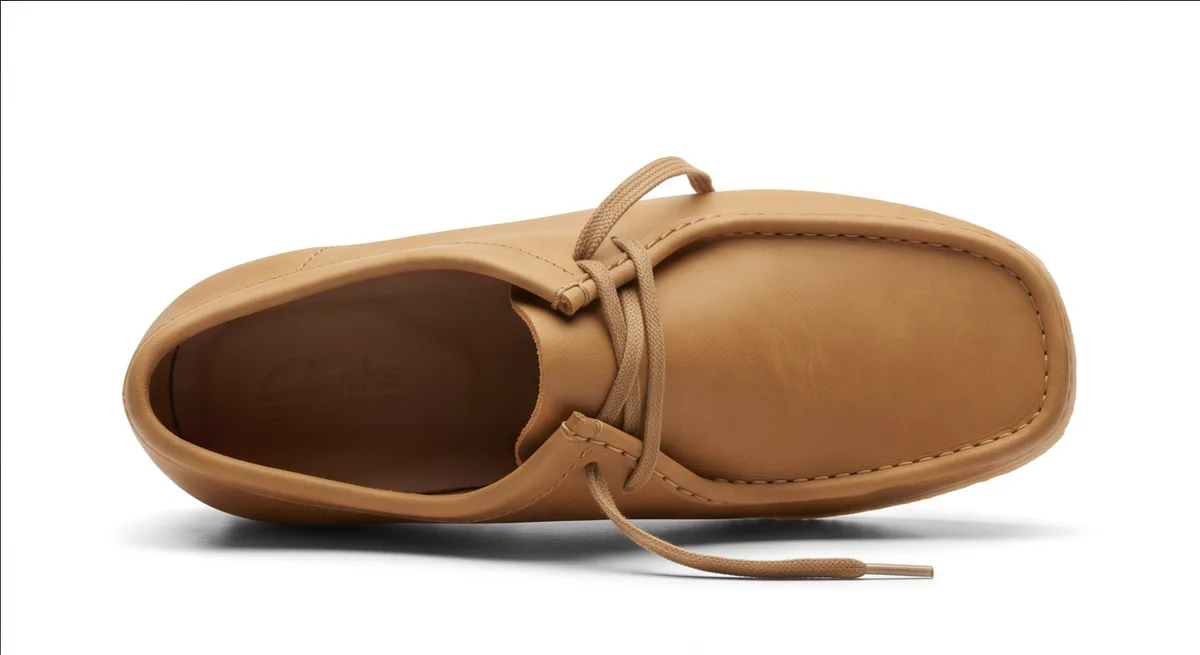
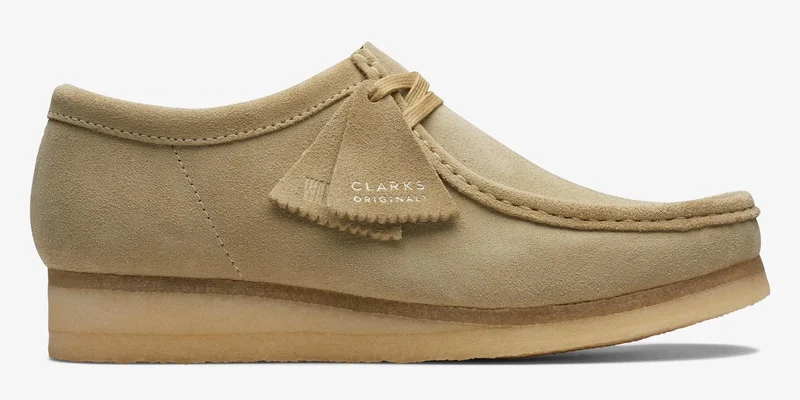
The Wallabee is a moccasin that ties. The upper is a single soft wrap of suede or leather that rises around the foot and is joined across the top to a flat apron, a seam running in a horseshoe round the toe. A few pairs of eyelets close it. Beneath is the part everyone notices: a thick slab of natural crepe rubber, pale and pebbled, with no heel to speak of. The shoe is broad, low and soft, and leaves the foot with nowhere to go but flat on the ground.
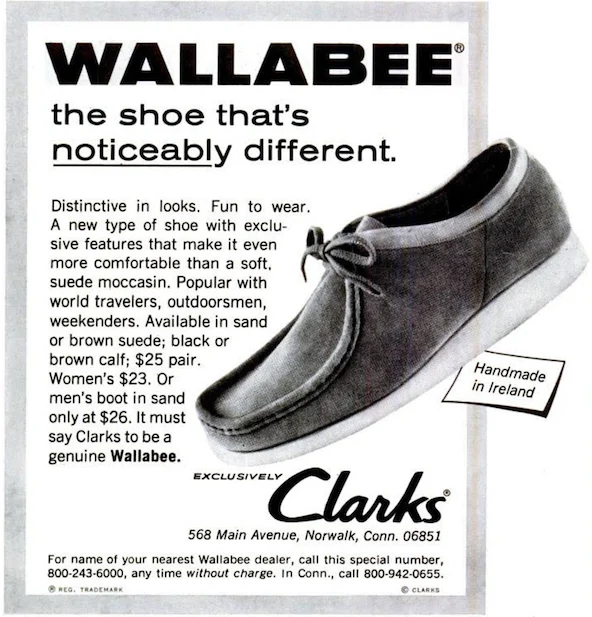
It did not start with Clarks. In 1964 the German maker Sioux launched a moccasin called the Grasshopper, and Lance Clark, running the company's factory at Kilkenny in Ireland, negotiated a licence to make it and had his staff trained in the work. When the factory's manager took the shoe to a trade fair in New York he found the Grasshopper name already taken, and Clarks registered a new one. Wikipedia says the Kilkenny factory began making it in 1967; Clarks dates the Wallabee to 1968.
What happened to it next had little to do with Somerset. Wikipedia's history of the company credits the Wallabee with lifting its American sales in the late 1960s. Jamaican emigrants, among whom Clarks shoes were already prized, carried it to New York and wore it with suits; in the 1990s the Wu-Tang Clan made it their own, and Ghostface Killah put custom-dyed pairs on the cover of his 1996 album Ironman. Television later gave it to Walter White in Breaking Bad, through all five seasons.
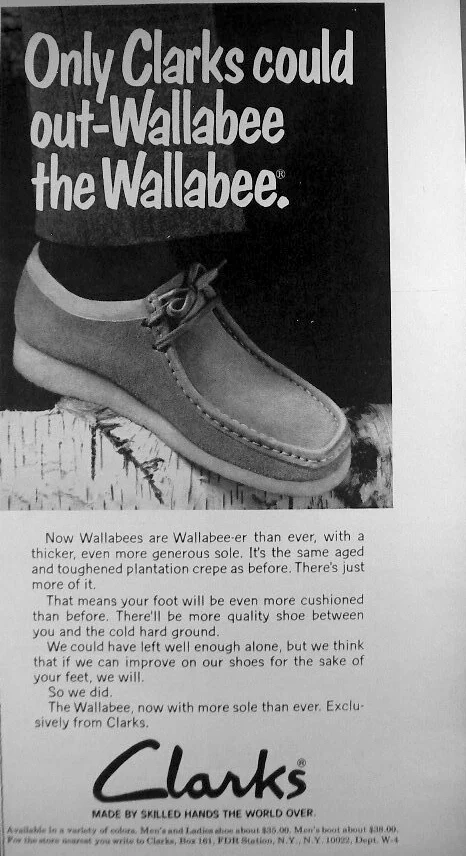
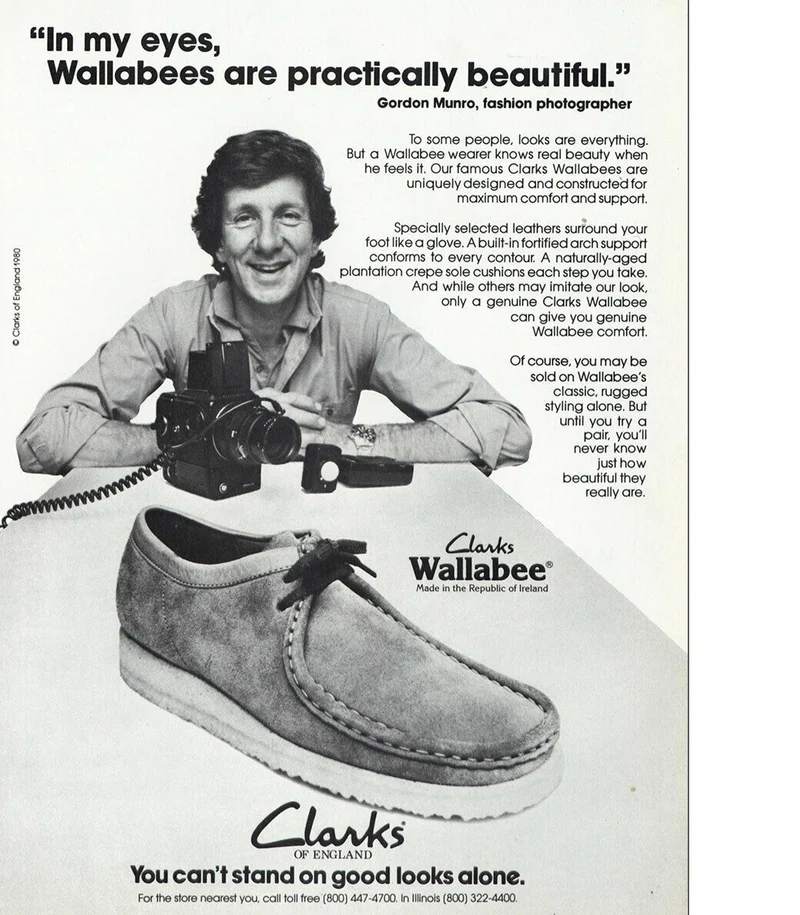
The Kilkenny factory closed in 1987, and Clarks stopped making shoes in Britain in 2019. The Wallabee has outlasted both, and around it the company now sells a boot, a waterproof version and lighter soles. The original is still on sale as Clarks makes it: a soft suede or leather upper on a natural pebble crepe sole, with two small Originals fobs at the laces.
Timeline
- 1964 Designed The German maker Sioux launches the Grasshopper, the moccasin on which the Wallabee is based.
- 1968 First made · Claimed Clarks Wallabee enters production in Kilkenny, Ireland.
- 1987 Production Clarks' Padmore and Barnes factory in Kilkenny, where the Wallabee was first made, closes and passes to a management buy-out.
- 1996 Recognised Ghostface Killah puts custom-dyed Wallabees on the cover of his album Ironman, part of the shoe's adoption by the Wu-Tang Clan.
Milestones as we found them, not as we've checked them.
From the archive
More like this
-
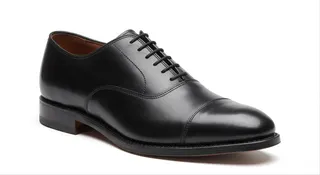 Shoes · since 1982 Allen Edmonds Park Avenue Allen Edmonds' cap-toe oxford, two million pairs since 1982. Read the entry →
 -
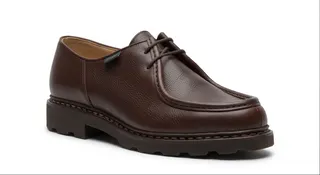 Shoes · since 1945 Paraboot Michael A two-eyelet derby on a rubber sole, made in the Isère since 1945. Read the entry →
 -
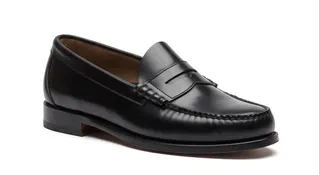 Shoes · since 1936 G.H. Bass Weejuns Penny Loafer The loafer that gave its name a coin, made by G.H. Bass since 1936. Read the entry →
 -
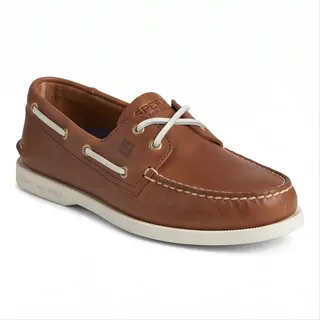 Shoes · since 1935 Sperry Top-Sider The first non-slip boat shoe, designed 1935. Read the entry →