Fashion · Footwear · Shoes
G.H. Bass
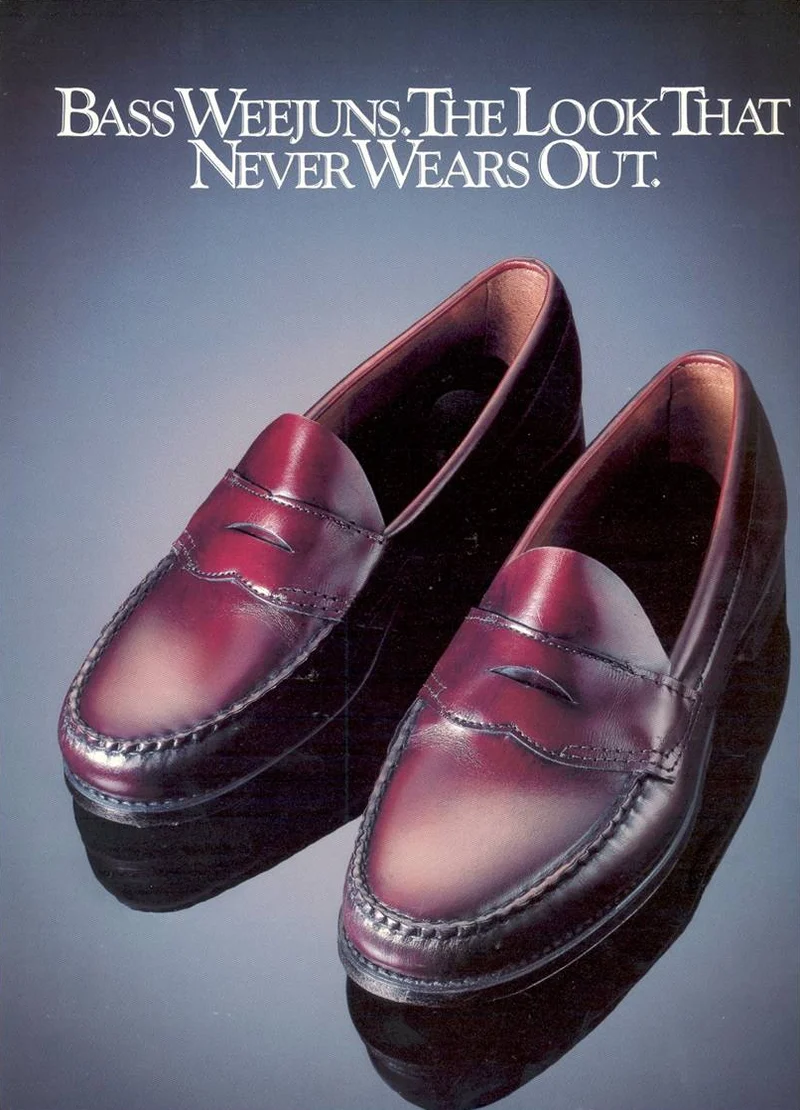
G.H. Bass Weejuns Penny Loafer
Since 1936 · 90 years to 2026 · First made in Wilton, Maine
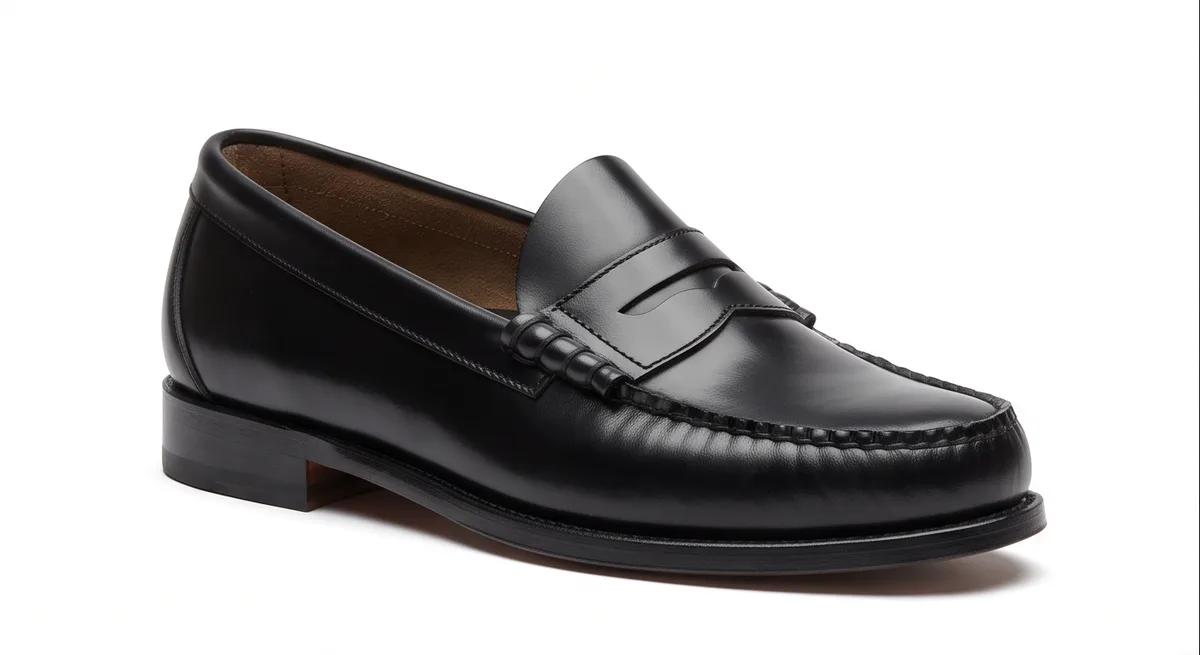
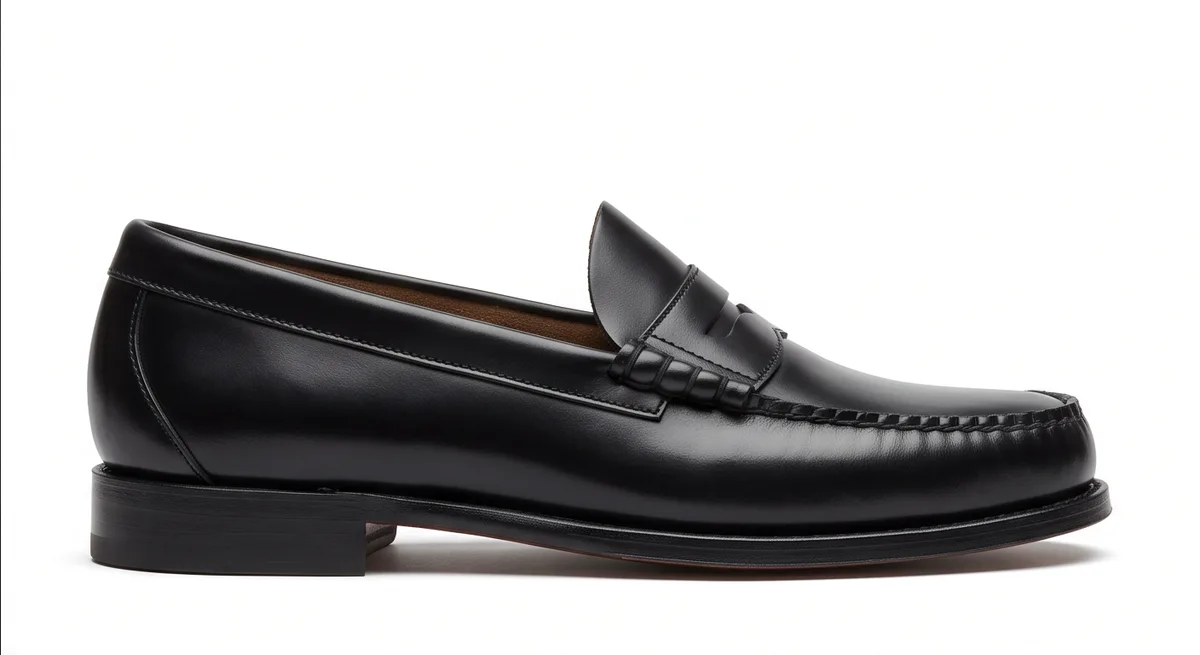
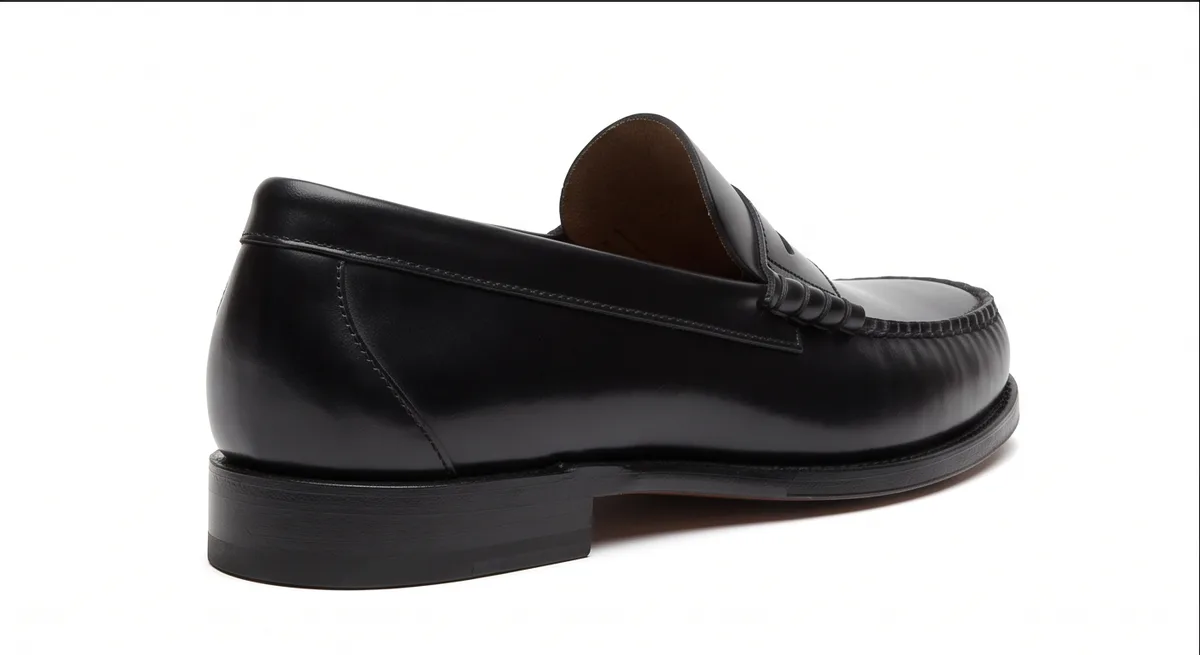
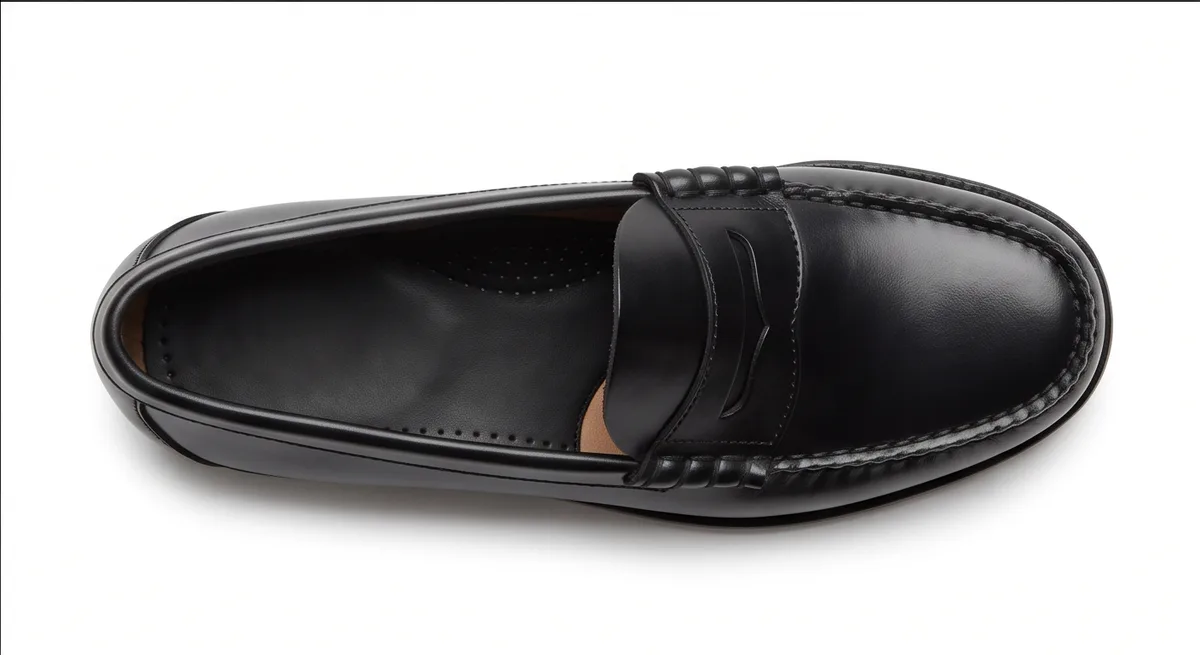
The Weejun is a slip-on built like a moccasin. A single piece of leather wraps up from beneath the foot to form the sides, and a separate apron is hand-sewn onto it across the top, the seam raised into a ridge that Bass calls the beefroll. Over the instep runs a leather strap with a slot cut into it. Below is a thin leather sole that can be replaced. The whole shoe is low, plain and quiet, and for most of the twentieth century it was simply what an American wore when he was not wearing lace-ups.
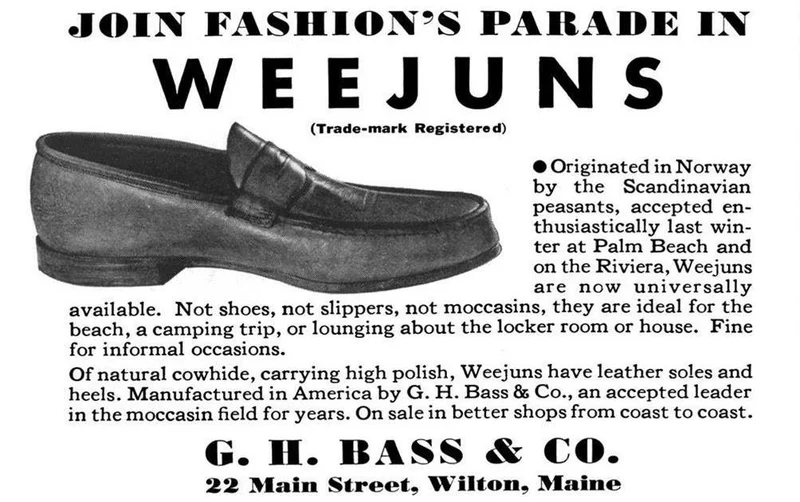
G.H. Bass made it in Wilton, Maine, a firm that had been building boots and moccasins for farmers, woodsmen and pilots since 1876. In the 1930s slip-on moccasins from Norway were being seen in America, and Bass's version took its name from them: Weejuns, for Norwegians. The company gives 1936 as the year the first pair was made; one Wikipedia article puts it two years earlier.
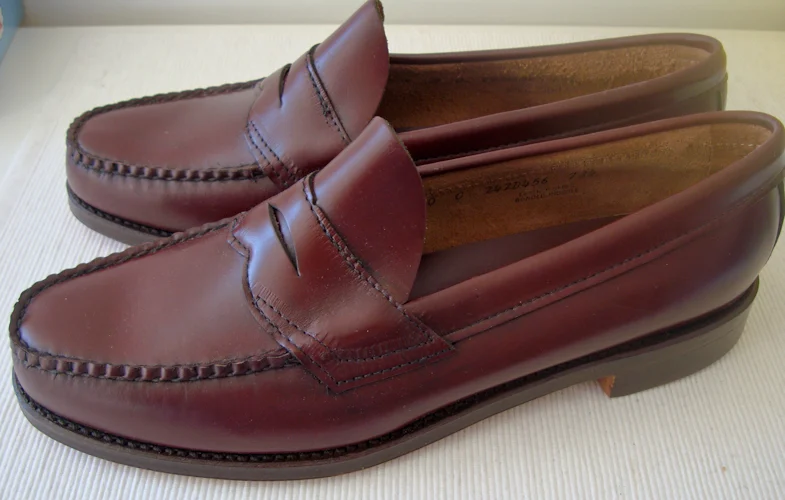
The strap made the shoe famous. The story Wikipedia records is that in the 1950s students at American prep schools slipped a penny into the slot, and the shoe became known as the penny loafer, a name now used for anyone's version. Bass dates a Weejuns craze to the 1960s, when the loafer was part of the uniform of American campuses, and a second to 1982, when Michael Jackson wore a black pair in the opening of the Thriller video.
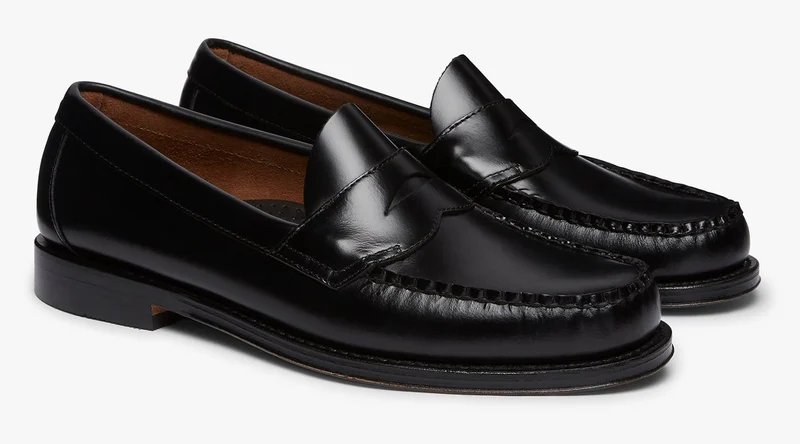
The company has changed hands several times and the shoe is no longer made in Maine. The classic men's model, renamed in 1993 and now called the Larson, is hand-stitched in El Salvador, and Bass says it is still made with the construction methods of 1936: a tubular moccasin cut in four parts, the beefroll sewn with two needles, a branded leather sole stitched on. It has some cushioning under the foot that the first pair lacked, and otherwise it is the same shoe.
Timeline
- 1936 First made · Claimed G.H. Bass Weejuns Penny Loafer enters production in Wilton, Maine.
- 1962 Recognised The company dates the start of the 'Weejuns craze' to the early 1960s, when the loafer became everyday campus wear.
- 1982 Recognised Michael Jackson wears black Weejuns in the opening of the Thriller video, which the company counts as the second craze.
- 1993 Designed The classic penny style of the Weejuns collection is renamed; today the original men's model is sold as the Larson.
Milestones as we found them, not as we've checked them.
From the archive
More like this
-
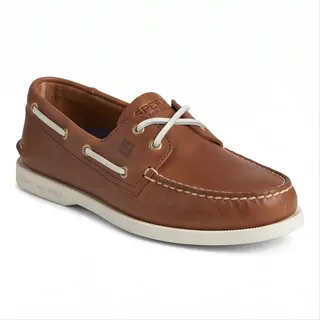 Shoes · since 1935 Sperry Top-Sider The first non-slip boat shoe, designed 1935. Read the entry →
 -
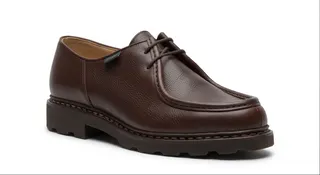 Shoes · since 1945 Paraboot Michael A two-eyelet derby on a rubber sole, made in the Isère since 1945. Read the entry →
 -
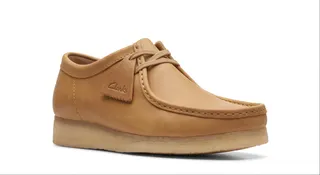 Shoes · since 1968 Clarks Wallabee A crepe-soled moccasin from a Kilkenny factory, on Clarks' books since 1968. Read the entry →
 -
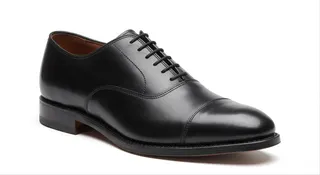 Shoes · since 1982 Allen Edmonds Park Avenue Allen Edmonds' cap-toe oxford, two million pairs since 1982. Read the entry →