Fashion · Footwear · Trainers
Converse
Converse Chuck Taylor All Star
Since 1917 · 109 years to 2026 · First made in Malden, Massachusetts
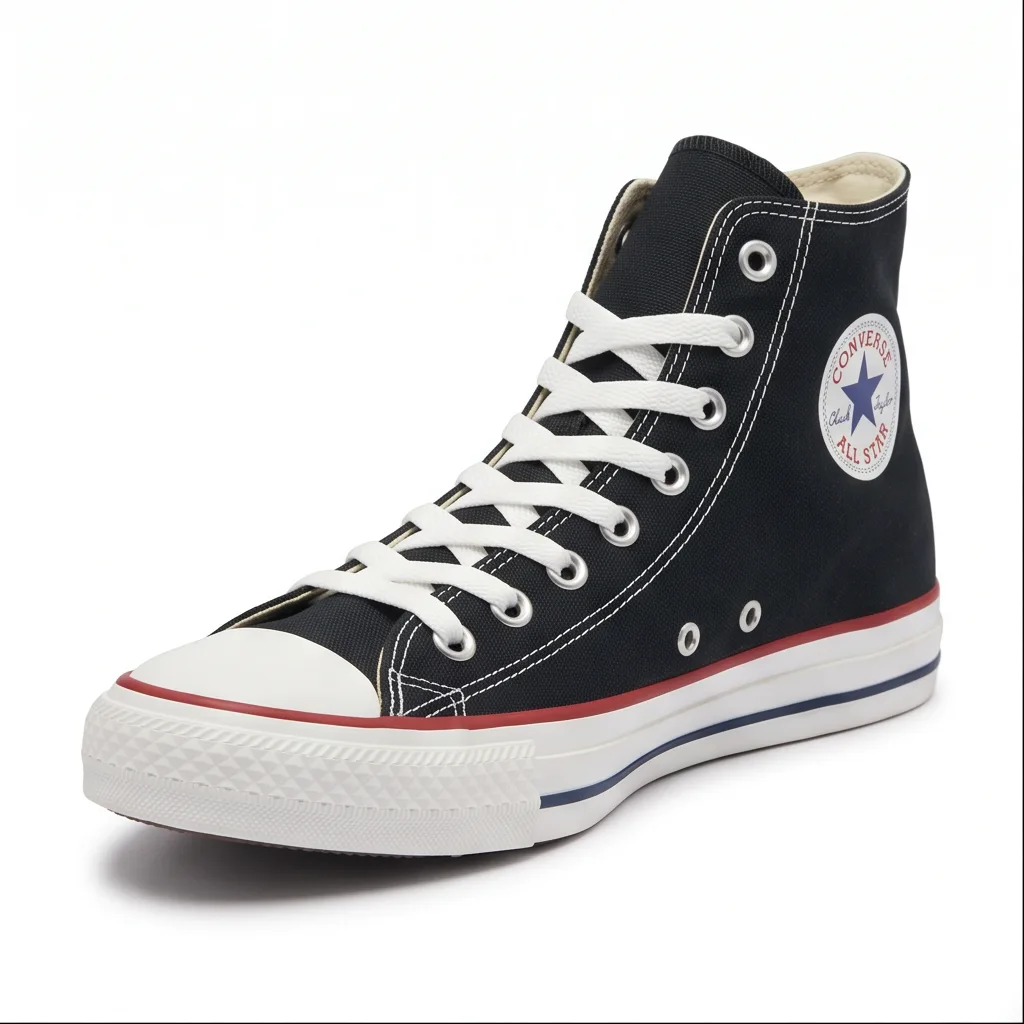
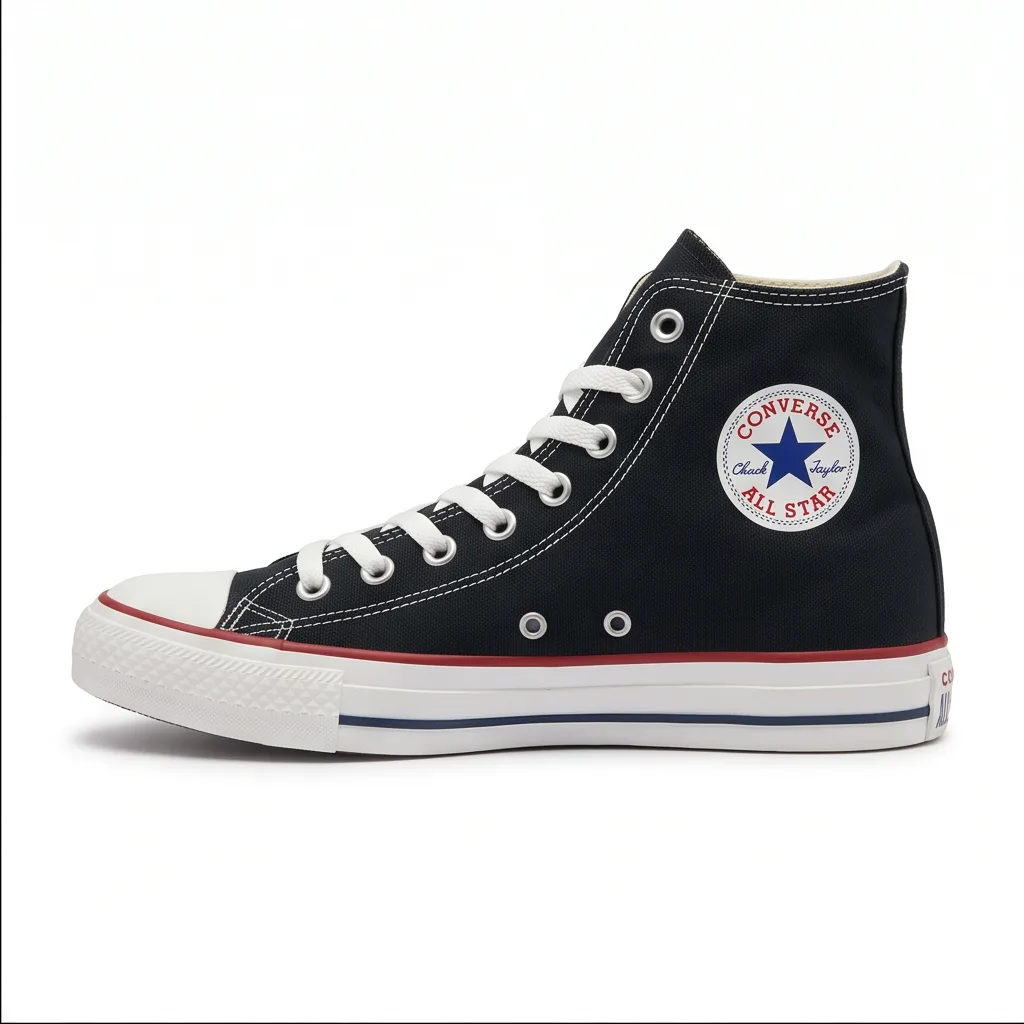
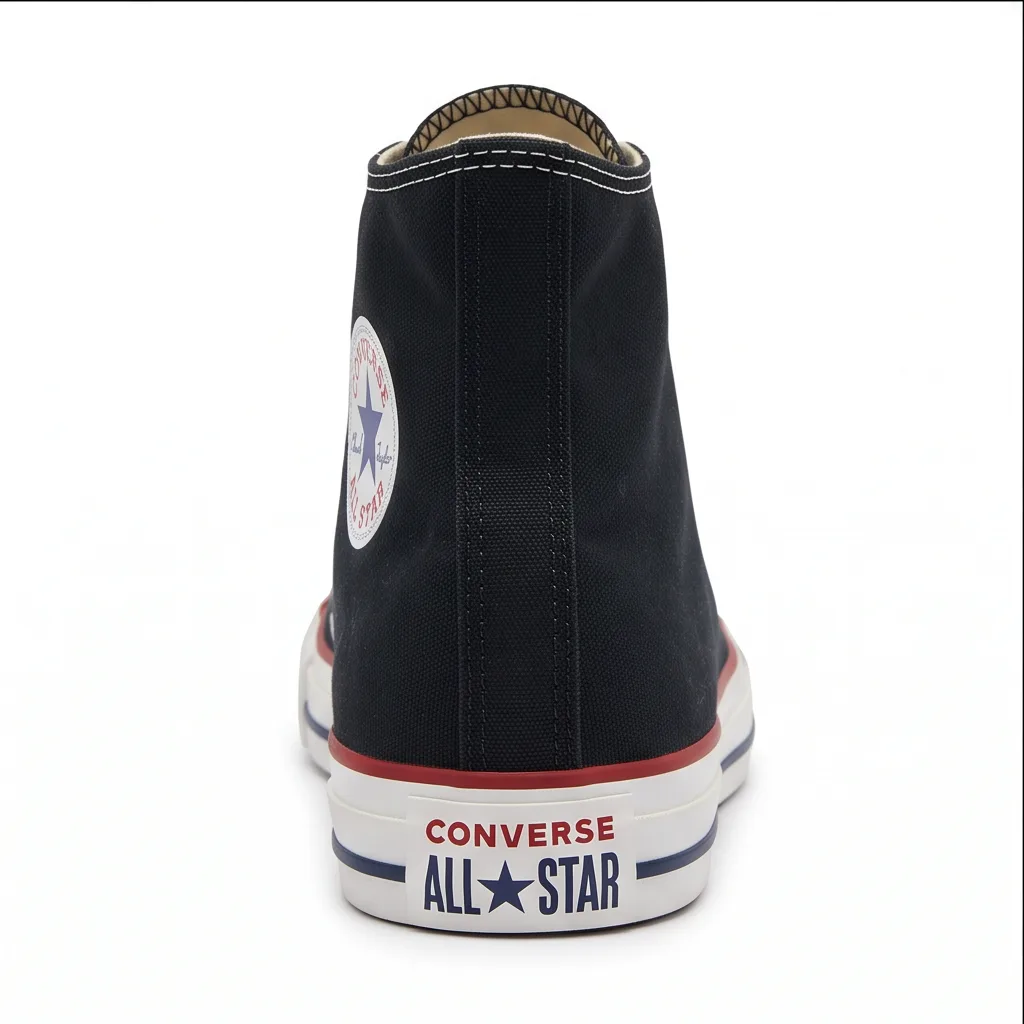
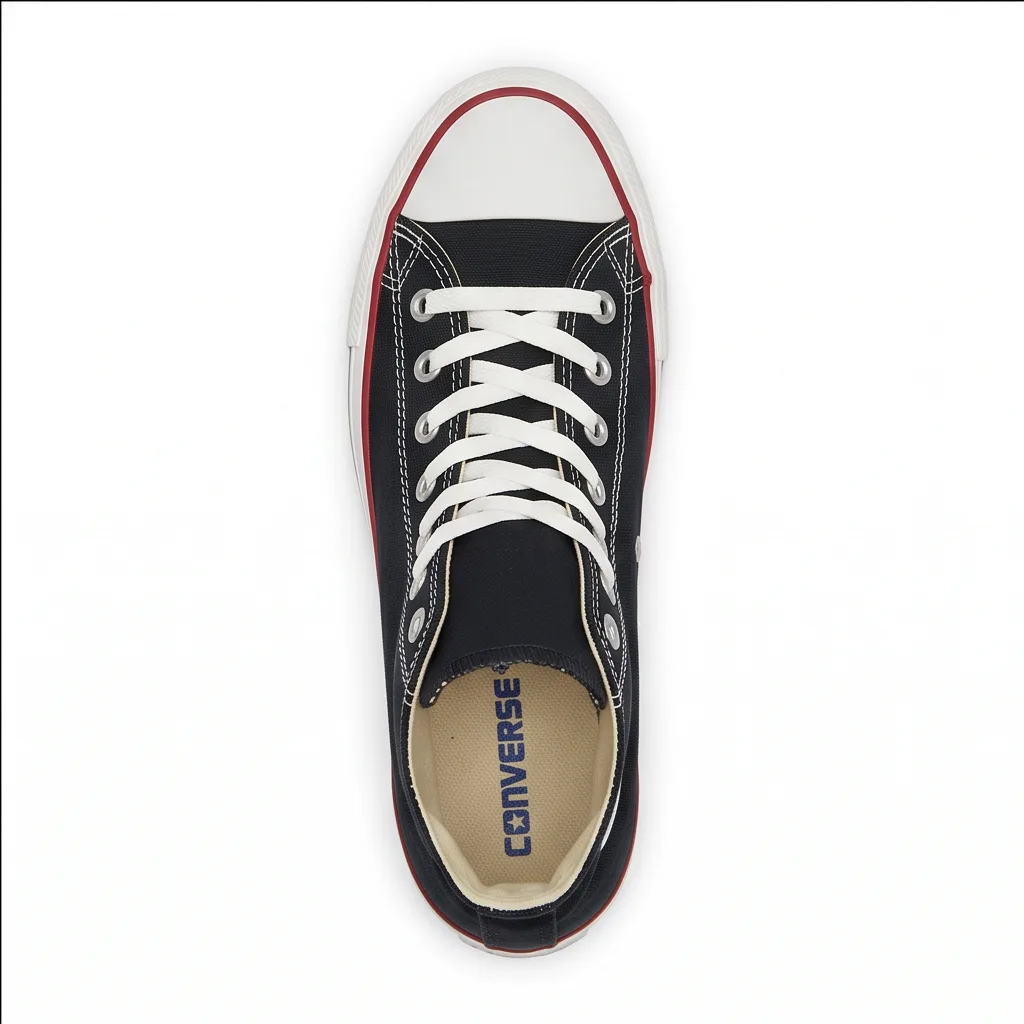
The Chuck Taylor All Star began as a practical response to a new sport. When basketball was adopted by regional colleges in the early twentieth century, Converse introduced the Non-Skid in 1917, crafted on the company's original dress shoe last with a two-piece quarter for ankle support and a non-skid sole employing Converse's patented diamond-tread pattern. nike.com Coaches requested a darker canvas to conceal scuffs, prompting the 1919 release of a brown version with black trim, officially named the All Star. The shoe's defining feature—Chuck Taylor's signature on the ankle patch, added in 1923—reflected the salesman's instrumental role in promoting both the shoe and basketball itself across America. smithsonianmag.com
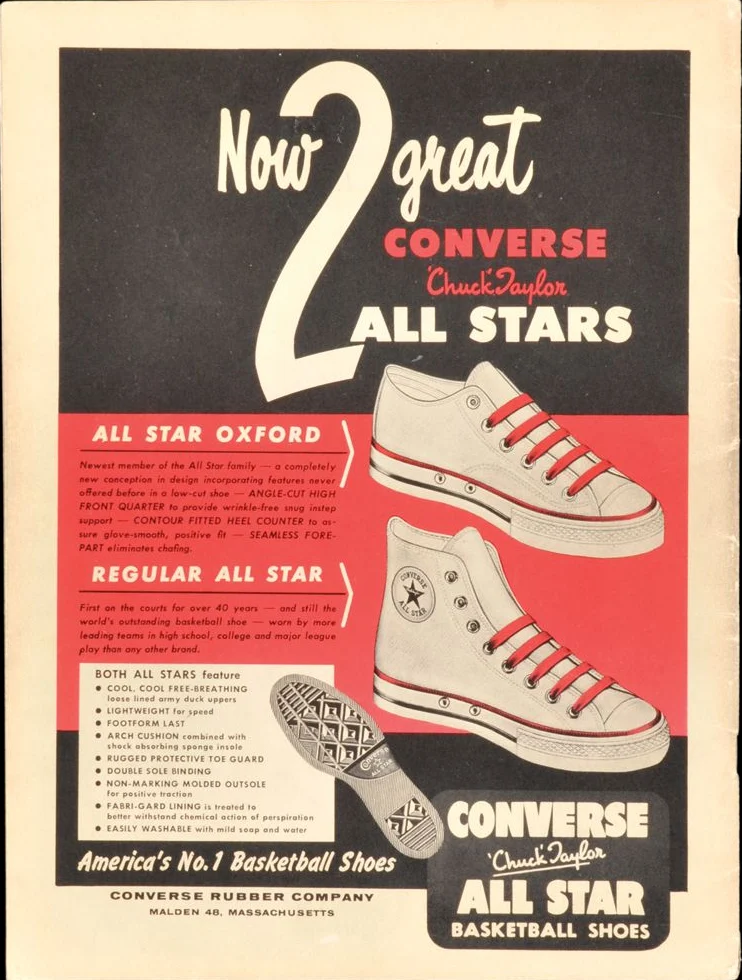
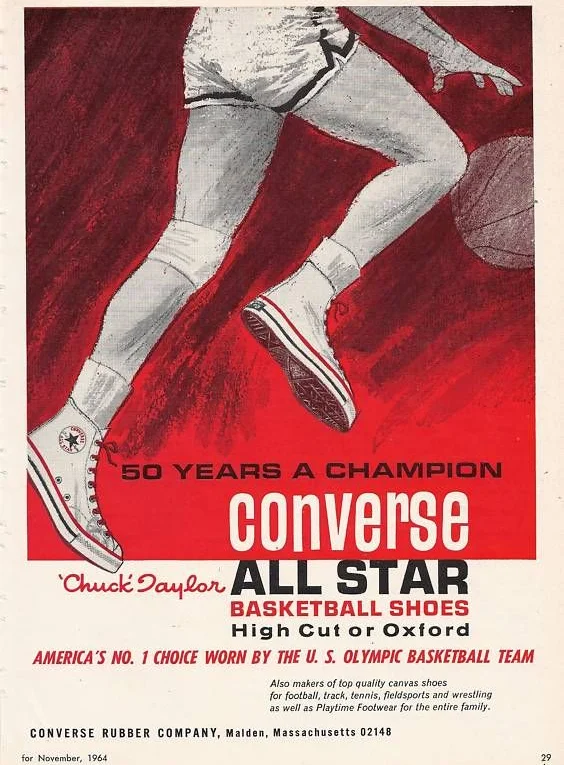
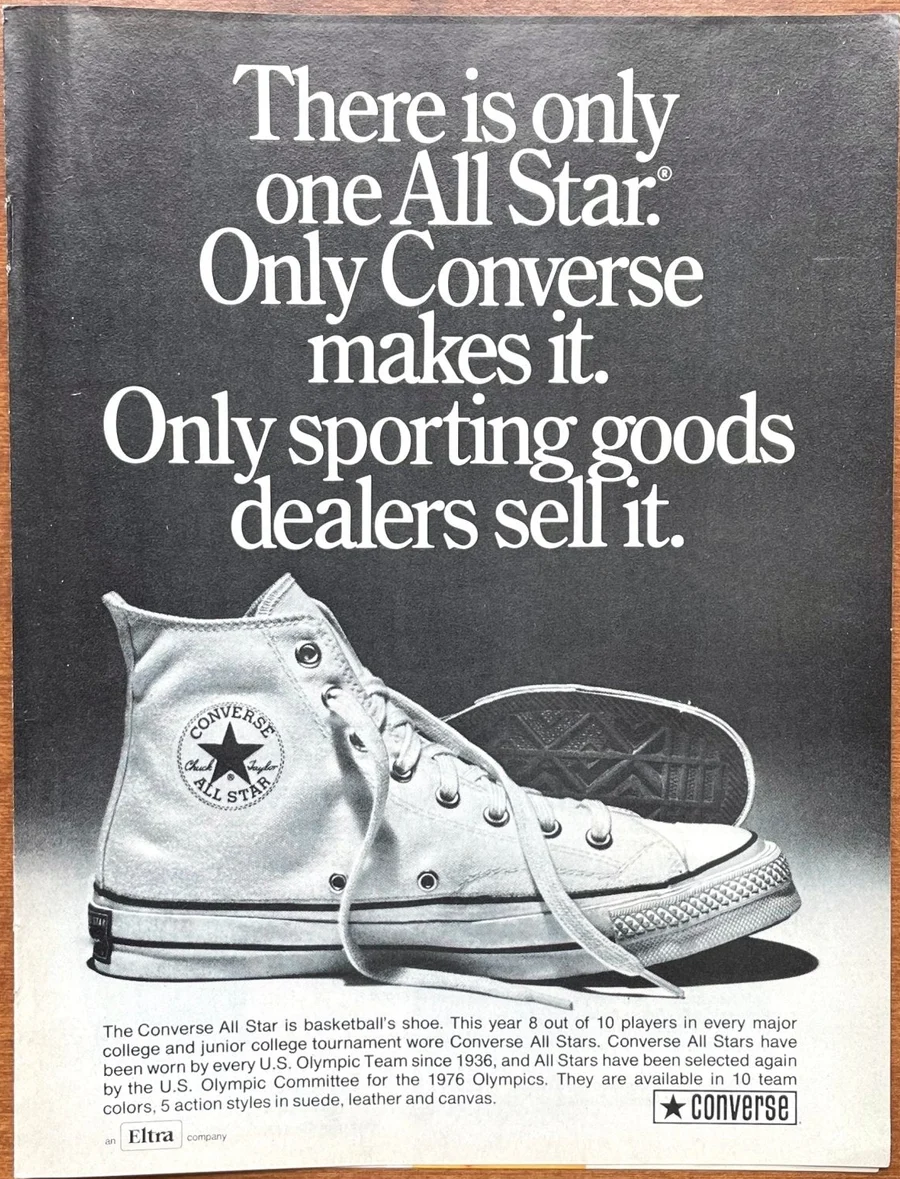
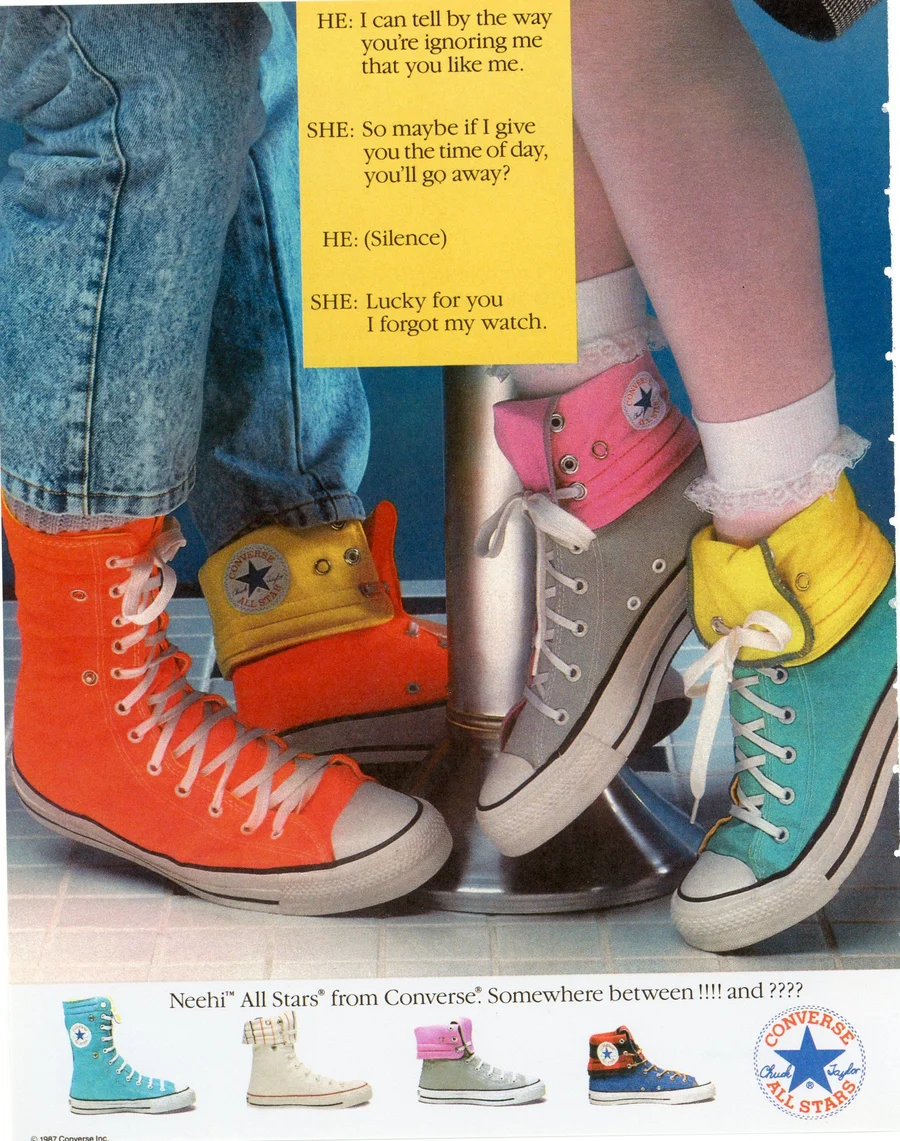
The All Star's dominance in basketball lasted through the mid-twentieth century, commanding nearly 90 percent of the market by the late 1960s. Yet its cultural life extended far beyond the court. The low-top version, introduced in 1957, found an unexpected audience among California's emerging skateboarding community, who valued its underfoot cushioning, grippy rubber, and form-fitting canvas. nike.com As performance athletic footwear evolved through the 1970s and 1980s—with Adidas, Nike, and Reebok introducing padded leather, advanced glues, and escalating technology—the All Star was gradually repositioned from a performance shoe to casual wear. By the 1980s, it had become the choice of musicians and high school counterculture, worn by the Rolling Stones and those seeking an alternative to slick marketing. smithsonianmag.com
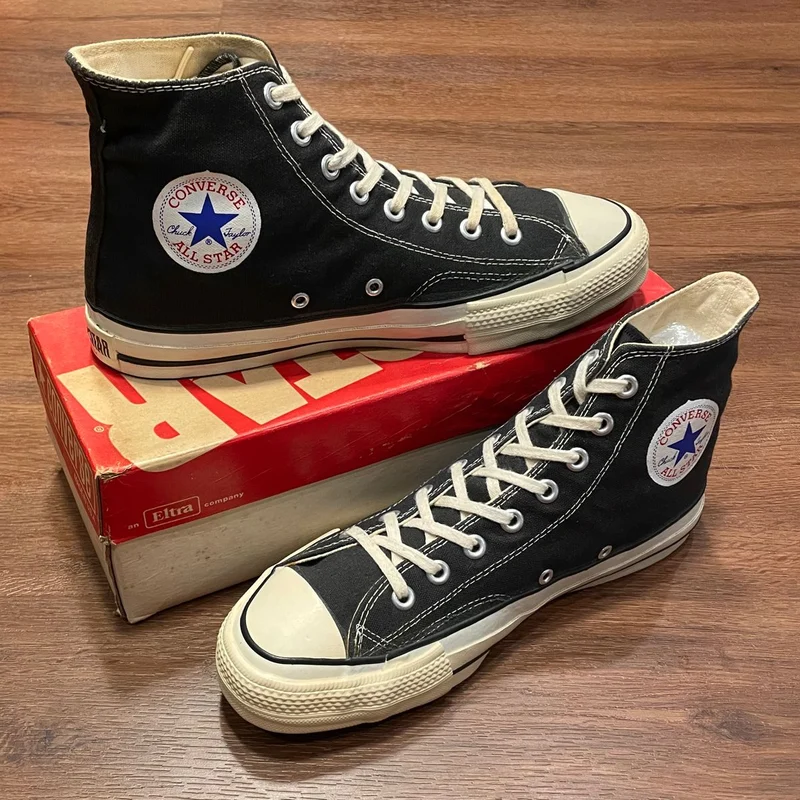
The shoe's design has remained fundamentally consistent: canvas upper, vulcanized rubber sole, eight aluminum porthole eyelets, bulbous rubber toe, and the ankle patch bearing Chuck Taylor's name. This constancy—a triumph of timeless design over marketing innovation—distinguishes it among American manufactured goods. smithsonianmag.com By century's end, All Stars had reached more than a billion feet worldwide. Though American production ceased in 2001 and manufacturing moved overseas, the shoe persists in its original form, now owned by Nike. converse.com It remains a foundational object in skateboarding culture and continues to attract limited-edition collaborations and personalization platforms, suggesting that the All Star's endurance rests not on technological advancement but on its capacity to absorb the identity of its wearer.
Timeline
- 1917 First made · Verified Converse Chuck Taylor All Star enters production in Malden, Massachusetts.
- 1919 Designed Converse releases a brown canvas version with black trim and officially brands it the All Star.
- 1923 Designed Chuck Taylor's name is added to the ankle patch after he helps restyle the shoe into a high-top black-and-white version.
- 1957 Released Converse introduces a low-top version of the All Star.
- 2001 Production The last pair of American-made Chuck Taylor high-tops rolls off the assembly line in Lumberton, North Carolina.
- 2003 Ownership Nike, Inc. acquires Converse.
Milestone dates are taken from the production notes behind this entry and have not been checked separately.
From the archive
More like this
-
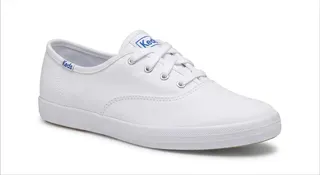 Trainers · since 1916 Keds Champion The first mass-marketed canvas sneaker, continuously produced since 1916. Read the entry →
 -
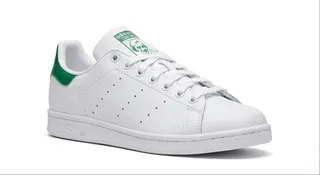 Trainers · since 1963 Adidas Stan Smith The first leather tennis shoe, renamed for an American champion. Read the entry →
 -
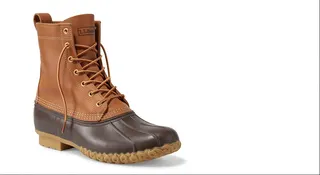 Boots · since 1912 L.L.Bean Boot Water-resistant duck boot combining rubber sole with leather upper. Read the entry →
 -
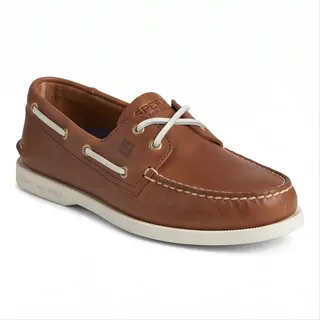 Shoes · since 1935 Sperry Top-Sider The first non-slip boat shoe, designed 1935. Read the entry →