Fashion · Footwear · Boots
L.L.Bean
L.L.Bean Boot
Since 1912 · 114 years to 2026 · First made in Freeport, Maine
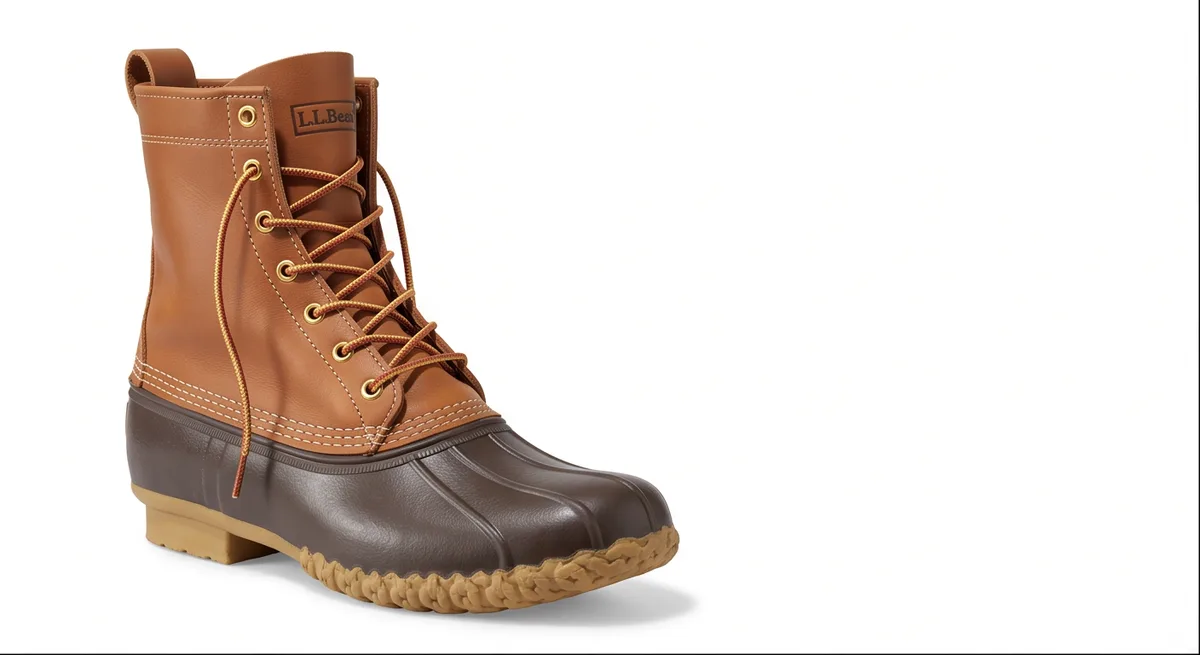
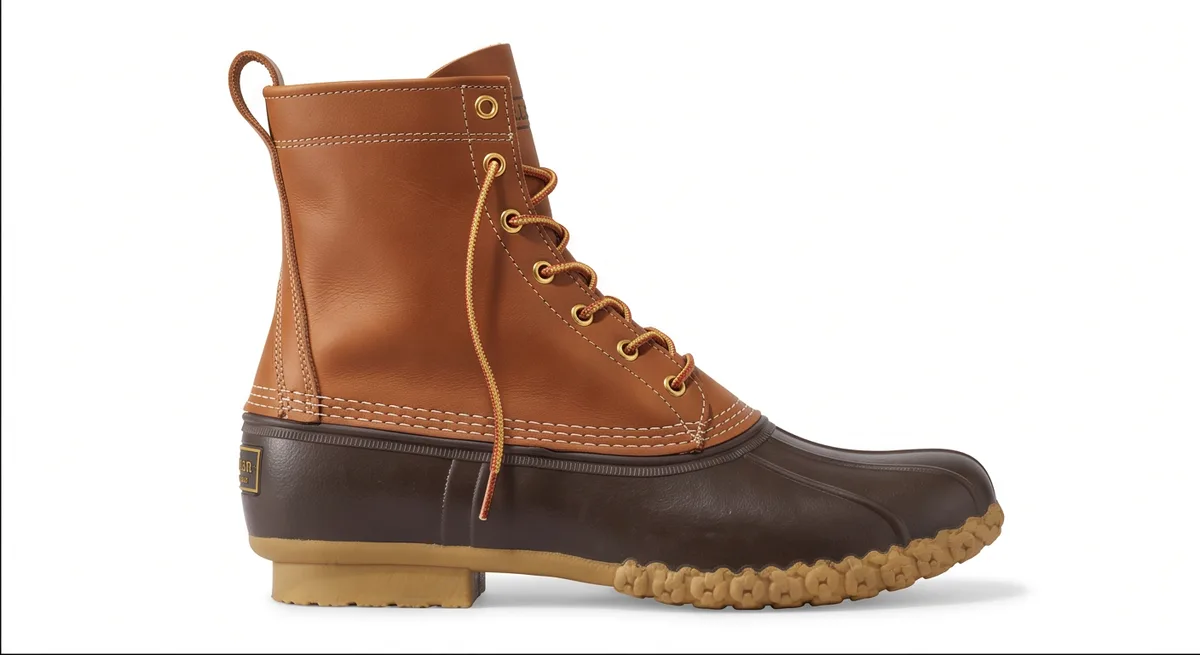
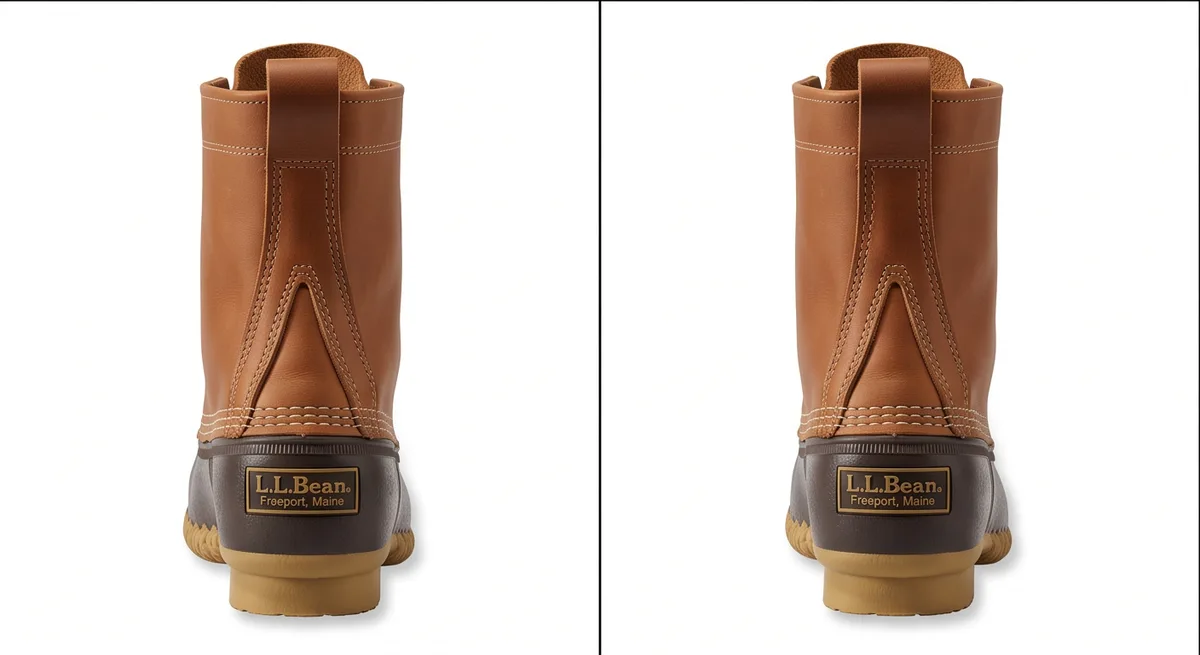
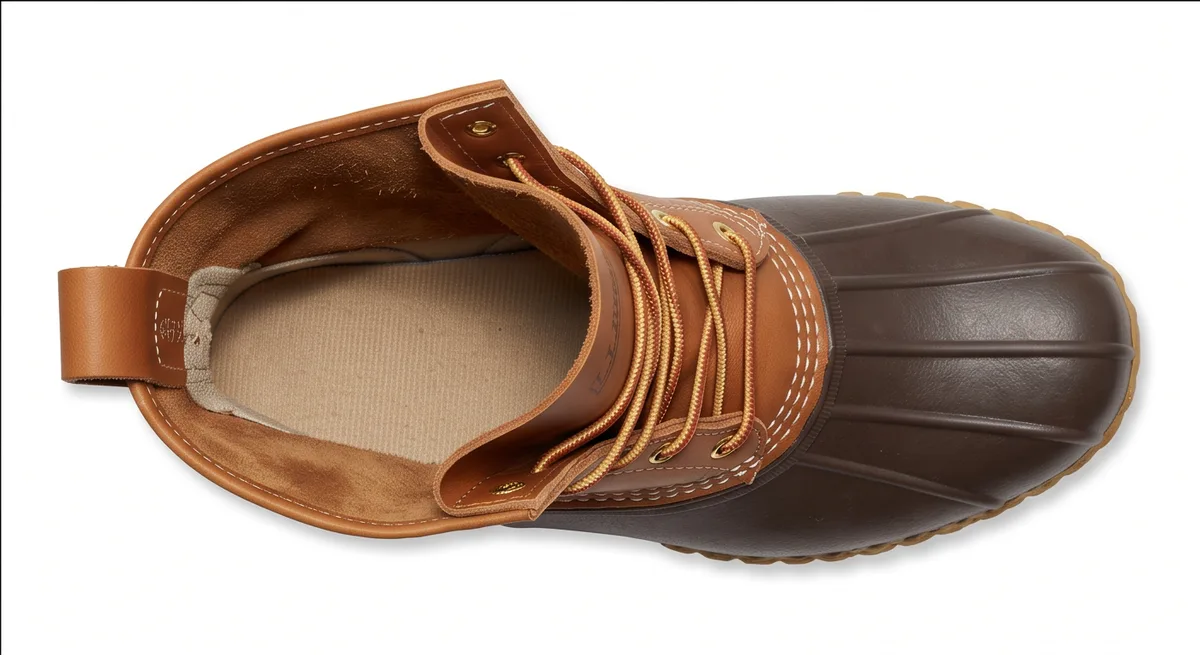
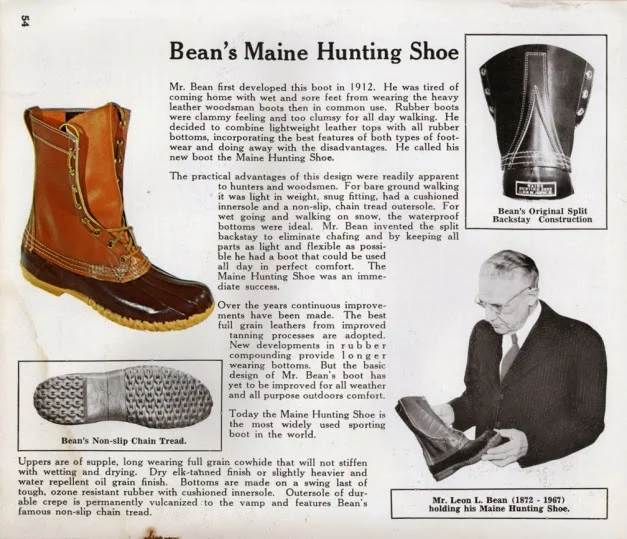
The L.L.Bean Boot began as a solution to a practical problem. In the early twentieth century, Leon Leonwood Bean, an avid hunter from Maine, found himself returning from expeditions with cold, wet feet. Existing boots on the market could not deliver both waterproofing and the flexibility needed for wilderness work. In 1912, Bean commissioned a local cobbler to create something new: a boot that married the rubber sole of a work boot with the comfort and flexibility of a leather upper. The resulting Maine Hunting Shoe was revolutionary not for aesthetic reasons but for its function—it would keep feet warm and dry while allowing the wearer to move quietly through the woods.
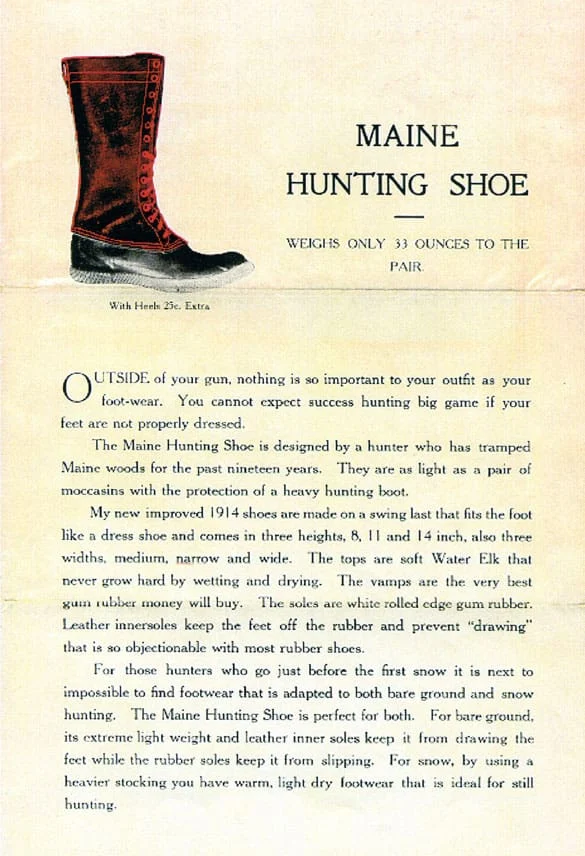
The boot's early history is instructive. Of the first 100 pairs manufactured and sold, 90 were returned due to faulty stitching along the seam where rubber met leather. Rather than cut losses, Bean honored his implicit promise of satisfaction and refunded the customers. He then borrowed money from his family to retool the design, replacing the vulnerable single-line stitch with triple-line stitching and switching to more durable rubber. This act of restoration established both a technical signature and a business principle that would define L.L.Bean for generations: that reputation rested on making things right. The triple-line stitch, still requiring 26 weeks of training to master, remains the boot's most recognizable feature.
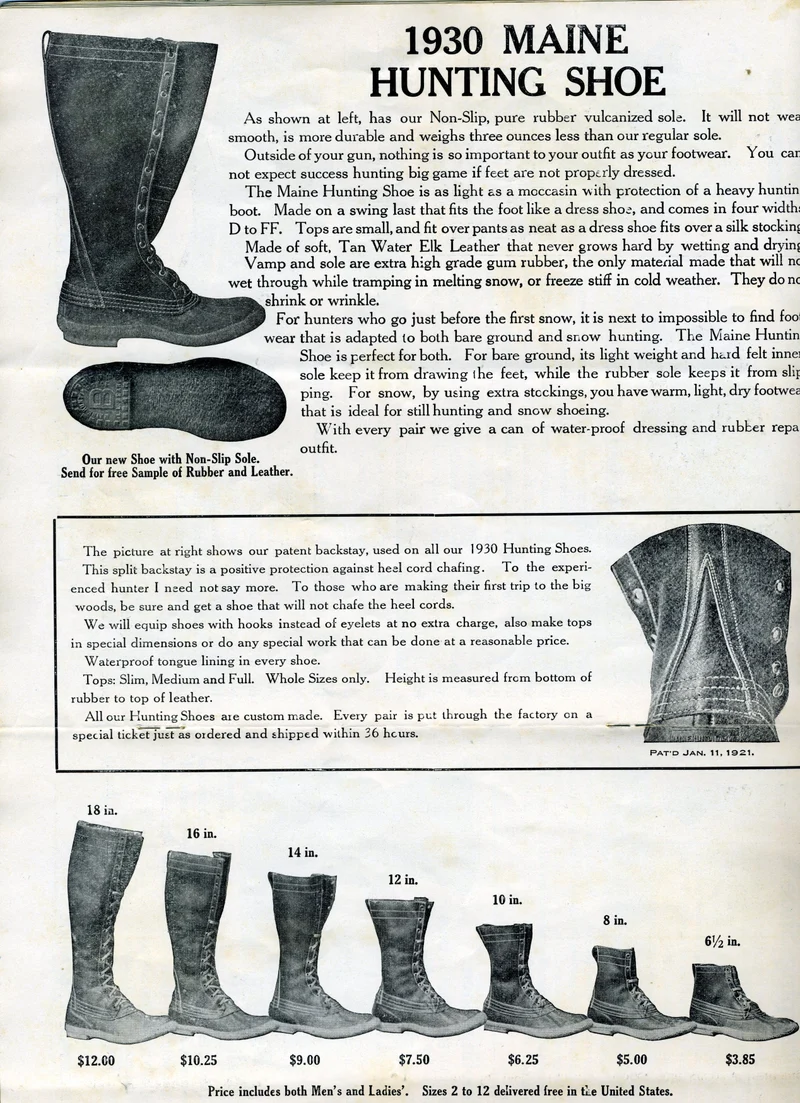
Over the course of the twentieth century, the Maine Hunting Shoe transformed from specialized hunting gear into a broader symbol of outdoor life. The boot appeared in the wardrobes of presidents, athletes including Babe Ruth, and countless hunters, anglers, and outdoors enthusiasts across America. By the late twentieth century, it had become associated with New England prep culture, gaining status as a marker of a particular aesthetic and class position. The 2010s brought unexpected renewed demand—so much so that production could not keep pace and shortages rippled through retail. This surge suggested that the boot's appeal had transcended its original constituency, resonating across generations and social groups as a durable object of practical elegance.
Today the L.L.Bean Boot exists in dozens of variations—shearling-lined, rubber-mocked, in Chelsea style, with fleece linings, in colors beyond the original tan. Yet the core remains unchanged: rubber sole bonded to leather upper with triple-line stitching, and production centered in Maine. The boot endures not because it is trendy but because it was designed to solve a real problem, and that problem has not gone away. A person with wet, cold feet has the same need in 2026 as in 1912.
Timeline
- 1912 First made · Disputed L.L.Bean Boot enters production in Freeport, Maine.
- 1947 Designed The boot receives a chain-pattern tread on the sole to improve durability and traction.
Milestone dates are taken from the production notes behind this entry and have not been checked separately.
From the archive
More like this
-
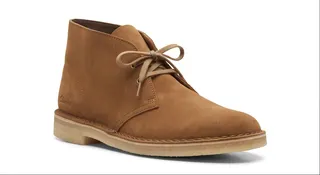 Boots · since 1950 Clarks Desert Boot Crepe-soled boot unchanged since 1950 Read the entry →
 -
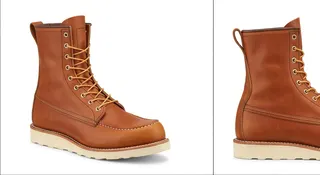 Boots · since 1952 Red Wing 877 Eight-inch moc toe boot in continuous production since 1952. Read the entry →
 -
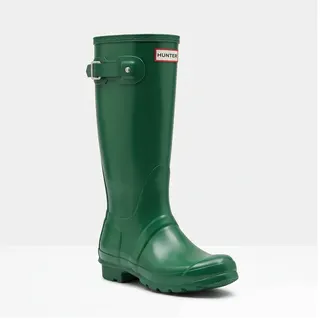 Boots · since 1956 Hunter Original Wellington The Wellington boot that defined a century of practical elegance. Read the entry →
 -
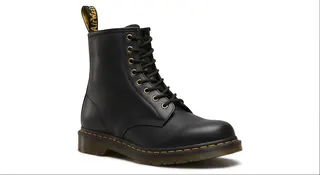 Boots · since 1960 Dr. Martens 1460 Eight-hole boot introduced 1 April 1960, still in production. Read the entry →