Fashion · Bags · Suitcases & Travel Bags
Globe-Trotter
Globe-Trotter Original
Since 1897 · 129 years to 2026 · First made in Dresden, Germany
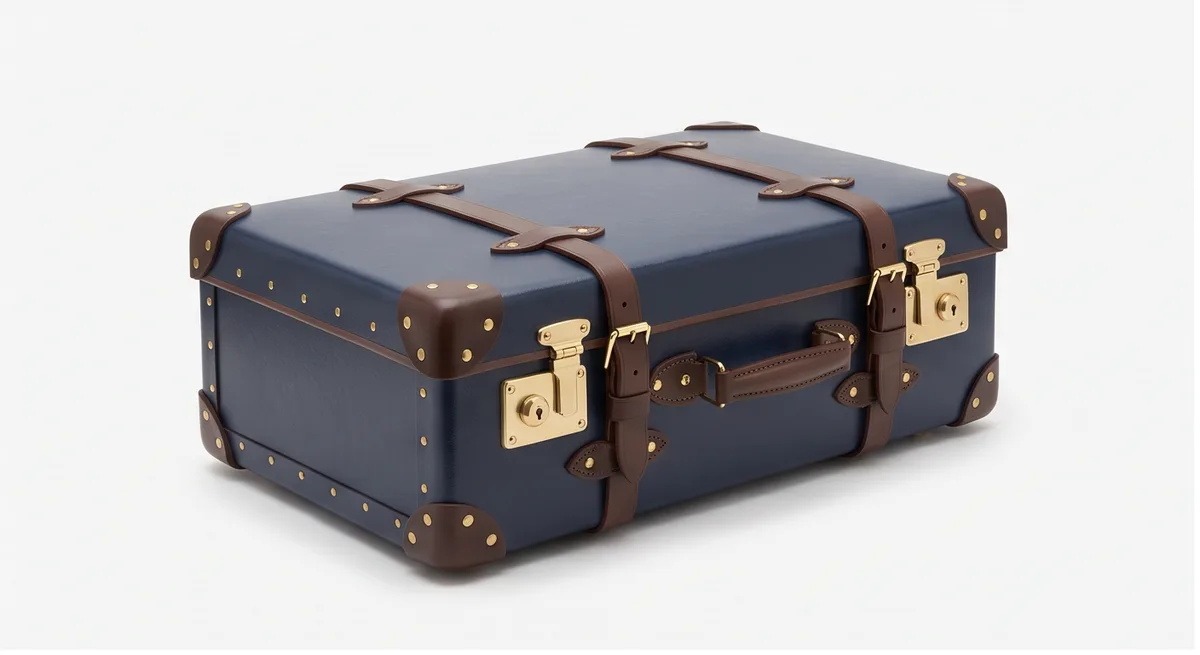
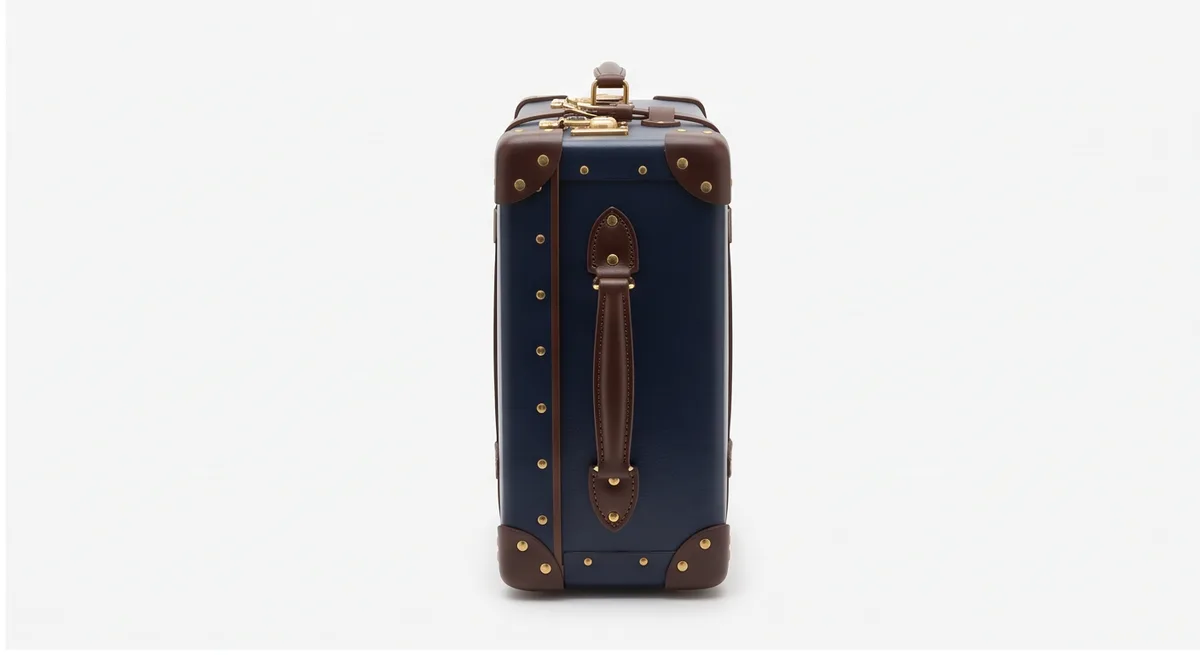
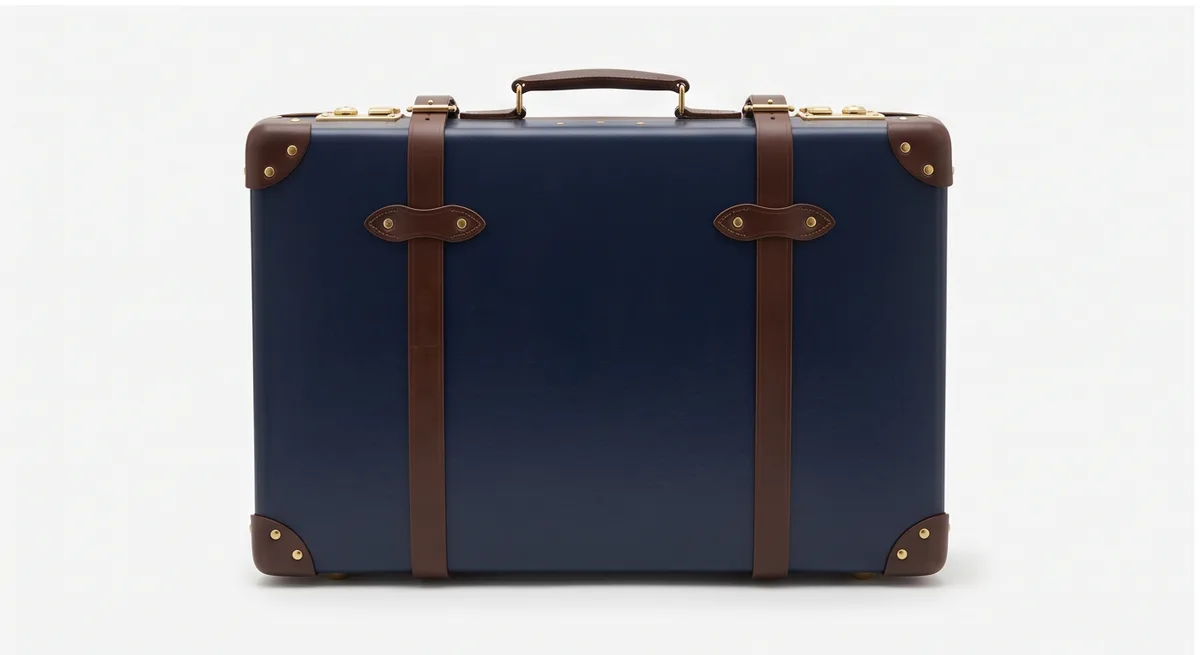
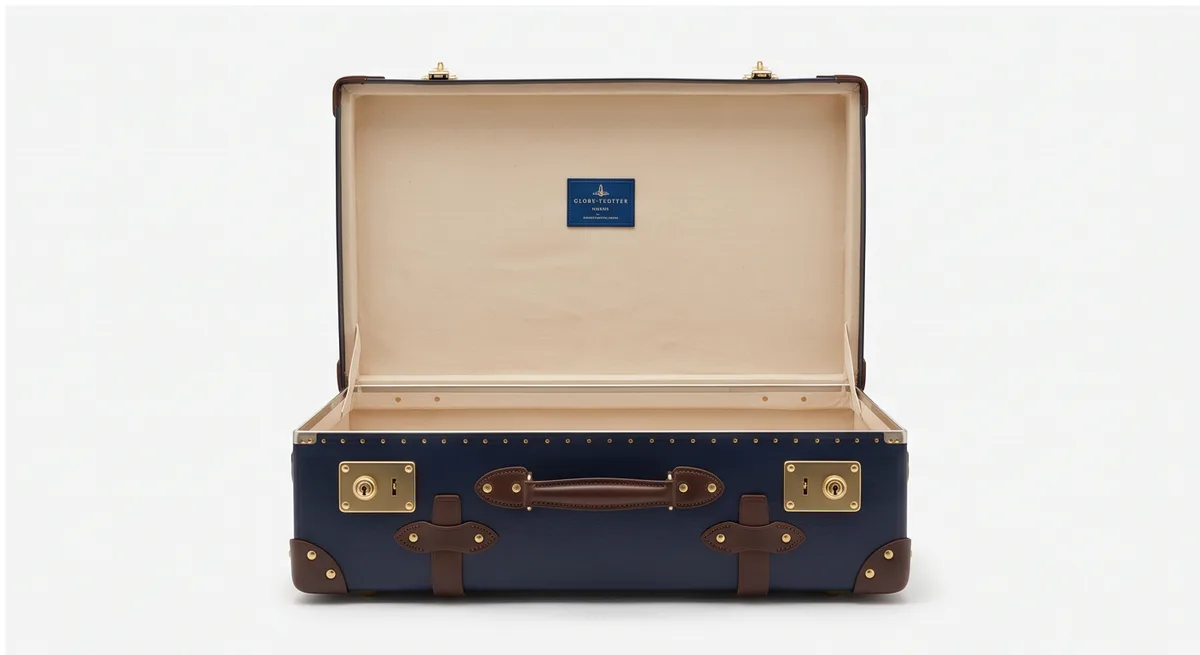
A Globe-Trotter case is lighter than it looks and harder than it should be. Its body is vulcanised fibreboard: fourteen layers of paper, cotton and wood pulp bonded together, saturated and pressed to thickness, a material that dents rather than splits. The company once proved the point by having a one-tonne elephant stand on a case at the Hamburg zoo. The corners are capped in leather, the edges riveted and finished with a steel lip, two leather straps run round the body, and inside is a paper-backed cloth lining.
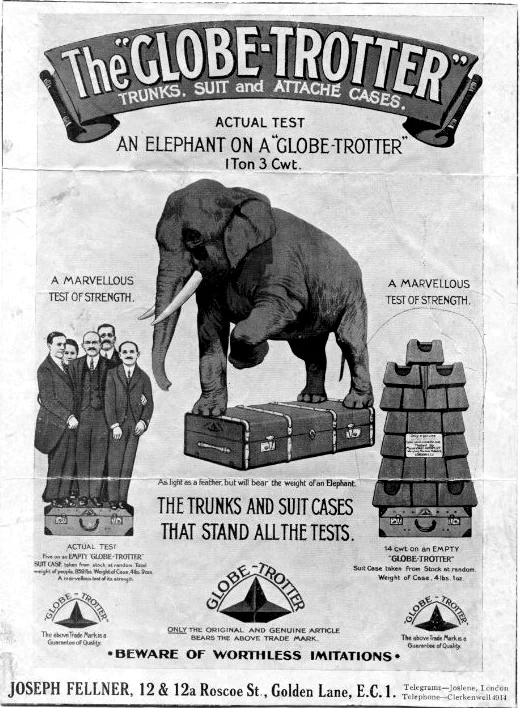
The firm began in Dresden in 1897, a trunk works founded by an English businessman, David Nelken, and in 1901 patented both its use of fibreboard and the way it moulds the material into shape. It moved to Britain, in 1901 or in 1932 depending on the source, and has stayed.
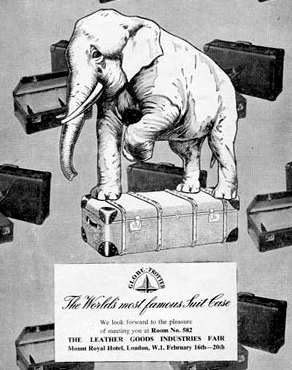
By its own account the cases have travelled further than most: to the Antarctic with Captain Scott, to the Treasury with Winston Churchill, on the honeymoon of the future Queen Elizabeth II in 1947, and to the base camp of Everest with Edmund Hillary. The claims are the maker's, but they explain the case's place in British travel. It is an object that suggests its owner has been somewhere, and has not needed to buy a new suitcase since.
Each case is still made by hand in Broxbourne, Hertfordshire, by a staff of about seventy. The fibreboard is fixed around a beech frame made by the company's own carpenter, the trims go on by hand, and the rivets are set on foot-pedal riveting machines. The company counts 98 separate processes and a little over ten days for every case. The Original line is the case in its plain form: fibreboard in a handful of colours, with or without wheels.
Timeline
- 1897 First made · Claimed Globe-Trotter Original enters production in Dresden, Germany.
- 1901 Designed Globe-Trotter patents the use of vulcanised fibreboard and its method of moulding it.
- 1947 Recognised By the company's account, Princess Elizabeth takes Globe-Trotter cases on her honeymoon.
- 2001 Ownership Jeff Vaughan acquires the company.
Milestones as we found them, not as we've checked them.
More like this
-
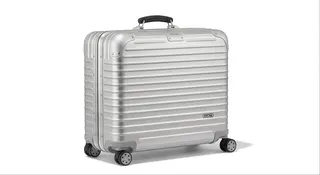 Suitcases & Travel Bags · since 1950 Rimowa Original Aircraft grooves pressed into an aluminium shell, Cologne, 1950. Read the entry →
 -
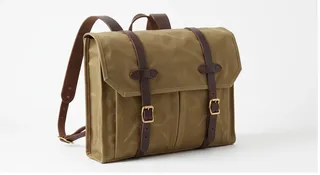 Backpacks · since 1882 Duluth Pack #3 Canoe Pack The portage pack that shaped wilderness travel since 1882. Read the entry →
 -
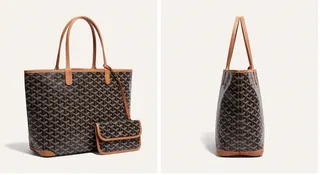 Handbags · since 1930 Goyard St. Louis Tote Reversible canvas tote, designed as a beach bag in 1930. Read the entry →
 -
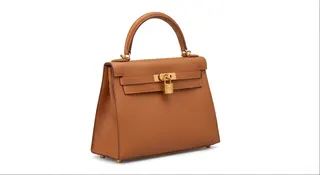 Handbags · since 1935 Hermès Kelly A riders' bag made small for women in 1935, renamed for a princess. Read the entry →