Musical Instruments · Keys, Amps & More · Harmonicas & Small Instruments
Hohner
Hohner Marine Band 1896
Since 1896 · 130 years to 2026 · First made in Trossingen, Germany
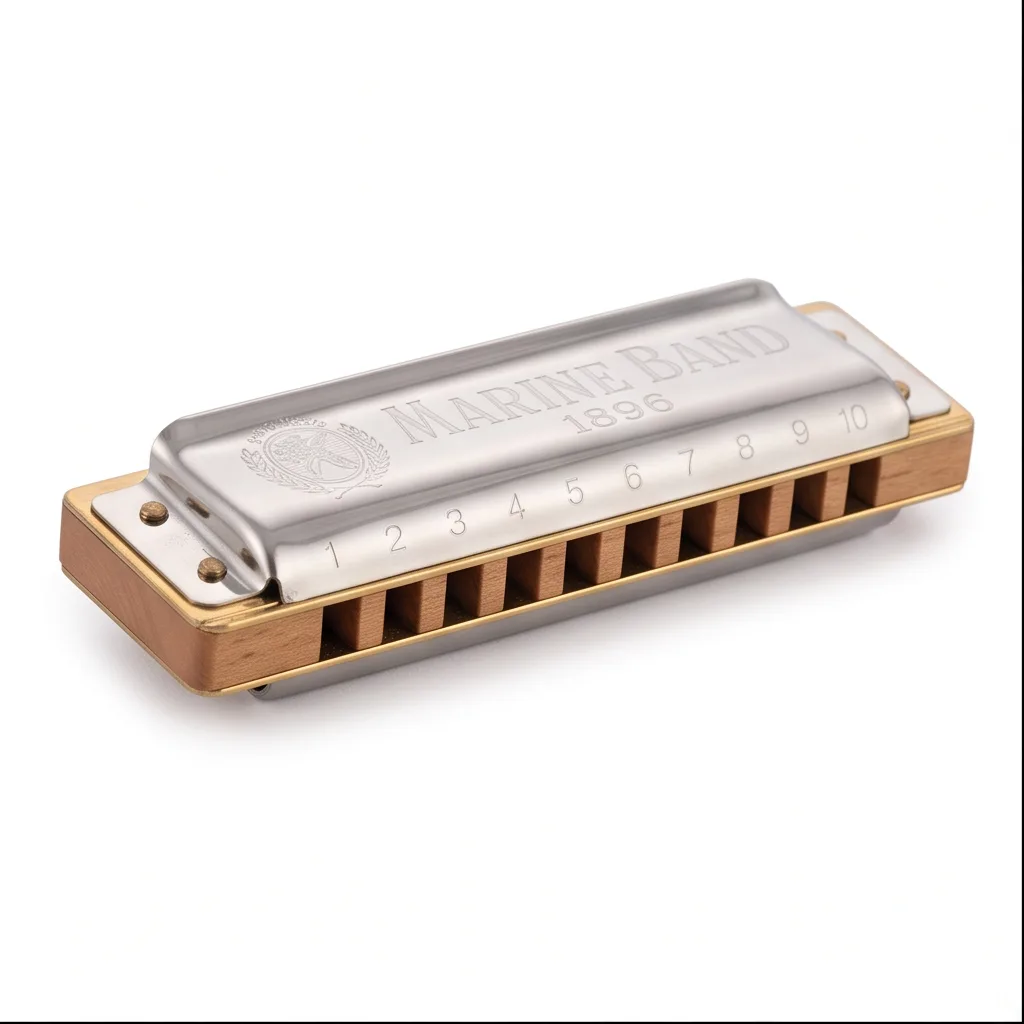
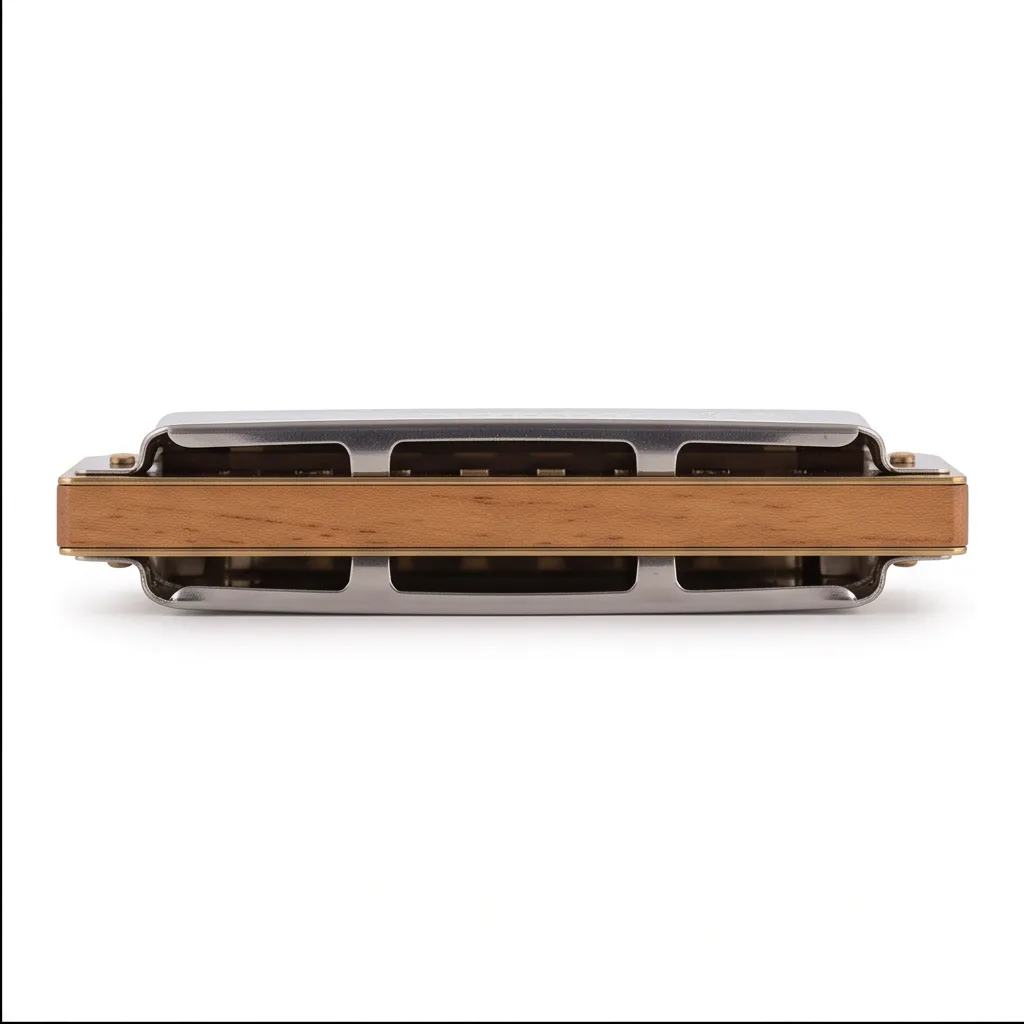
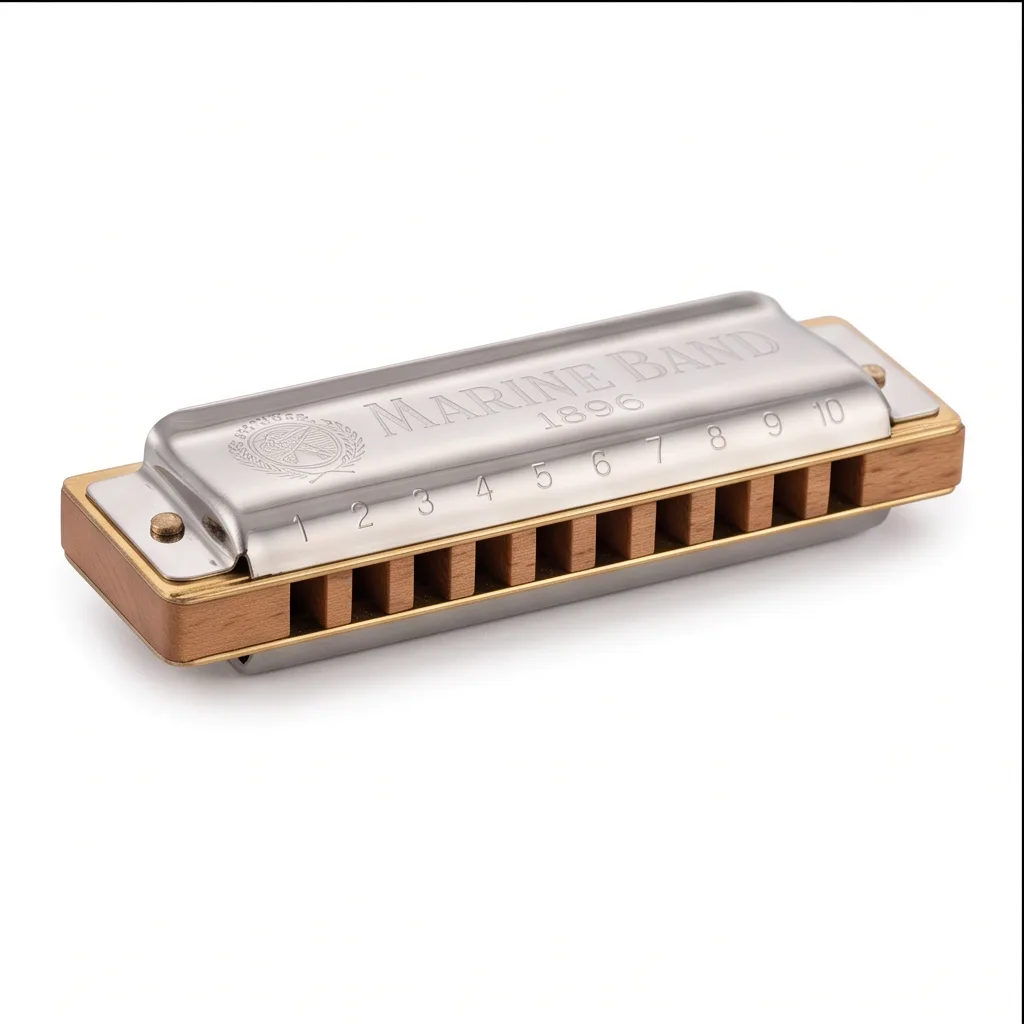
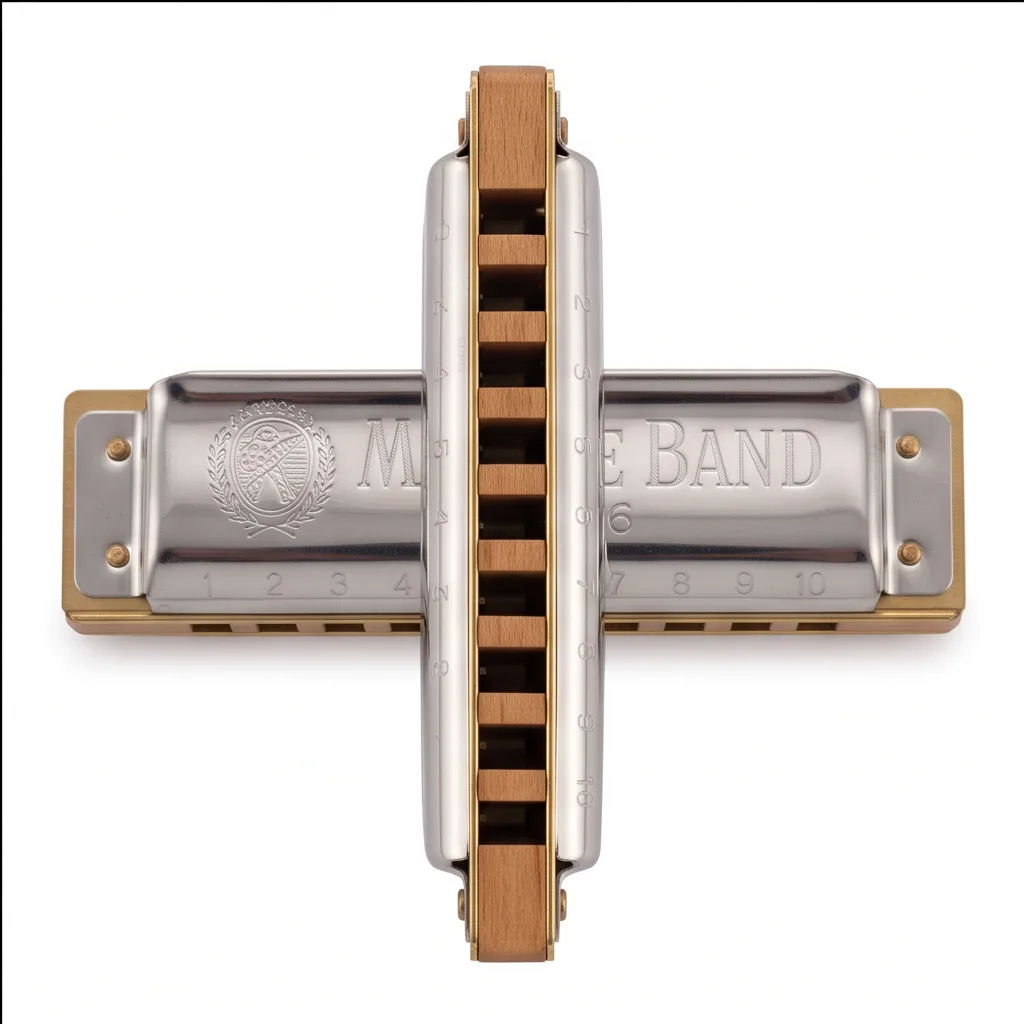
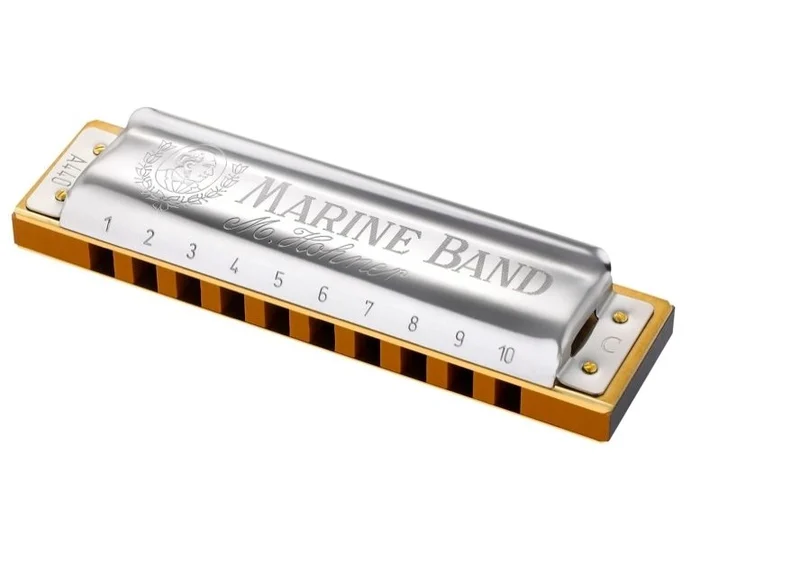
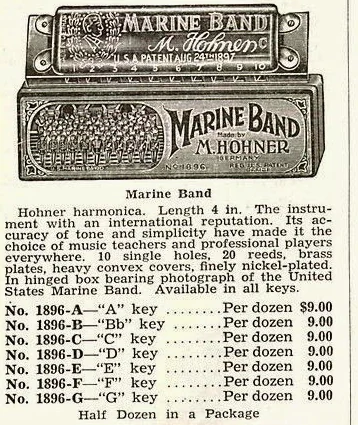
The Marine Band is the harmonica most people picture: a bar about four inches long, two bright metal covers stamped with the name, and between them a strip of pear wood with ten square holes. Inside, two brass plates each carry ten reeds, one sounded by blowing and one by drawing for every hole, nailed to the comb as they were in the nineteenth century. Each harmonica is tuned to a single key.
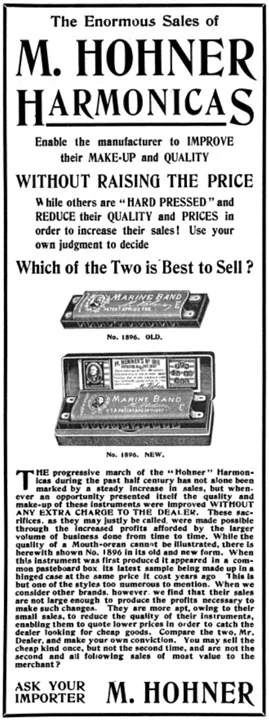
Hohner had been making mouth organs in Trossingen, a small town on the edge of the Black Forest, for nearly forty years when it introduced the model in 1896. It named it after John Philip Sousa's Marine Band, then enormously popular, and engaged Sousa to endorse it; his name appeared in the advertisements and on the box. The bet was on America, and it paid: around the turn of the century nearly all of the millions of harmonicas Hohner made each year were sold in the United States, and by 1913 the firm was making ten million a year.
The instrument it became was not the one Sousa endorsed. It was cheap, it fitted in a pocket, and players in America found that by shaping the mouth and controlling the breath they could bend its reeds down to notes the tuning did not contain. That bent note is the sound of blues harmonica. The Marine Band shaped the playing of Little Walter and of most of the blues and rock players who came after him, and it is still the model they reach for.
Hohner has changed it remarkably little. The cover plates are now stainless steel rather than nickel-plated brass, the comb is pear wood rather than peach, and the comb is now sealed. The reed plates are still nailed on, and the harmonica is still made in Trossingen, in every key. For the model's 125th anniversary in 2021 the company issued an edition with the original embossed covers, which looks much like the one sold in 1896.
Timeline
- 1896 First made · Verified Hohner Marine Band 1896 enters production in Trossingen, Germany.
- 1913 Production Hohner's 3,000 employees are producing 10 million harmonicas a year, most for the American market.
- 2021 Recognised Hohner marks the model's 125th anniversary with an edition carrying the original embossed cover design.
Milestones as we found them, not as we've checked them.
From the archive
More like this
-
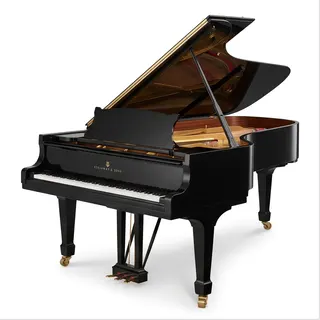 Keyboards & Pianos · since 1884 Steinway Model D The concert grand of 1884, still the instrument on most of the world's stages. Read the entry →
 -
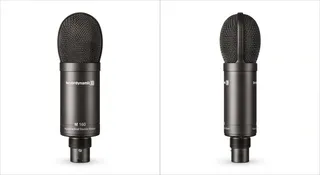 Microphones · since 1957 Beyerdynamic M160 German ribbon microphone, handmade since 1957 Read the entry →
 -
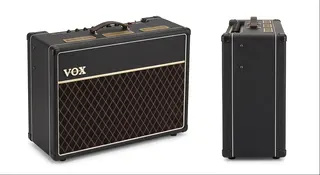 Amps & Pedals · since 1959 Vox AC30 British valve amplifier in continuous production since 1959. Read the entry →
 -
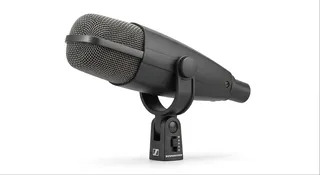 Microphones · since 1960 Sennheiser MD421 German cardioid dynamic microphone, unchanged since 1960. Read the entry →