Musical Instruments · Keys, Amps & More · Amps & Pedals
Vox
Vox AC30
Since 1959 · 67 years to 2026 · First made in Dartford, Kent
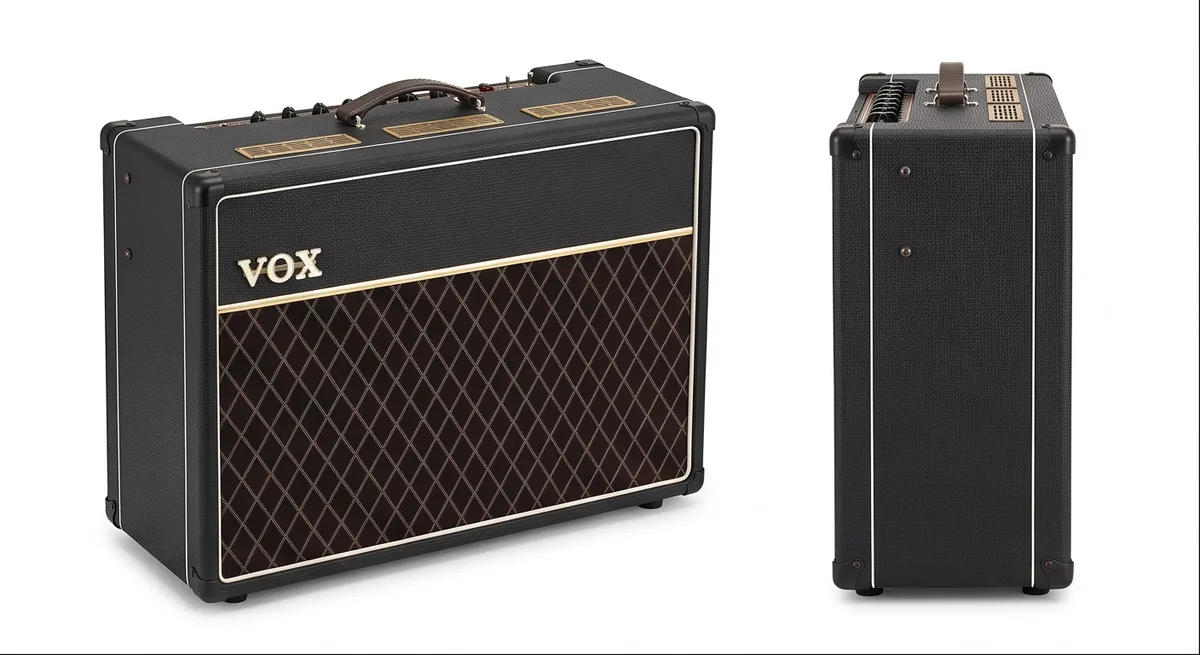
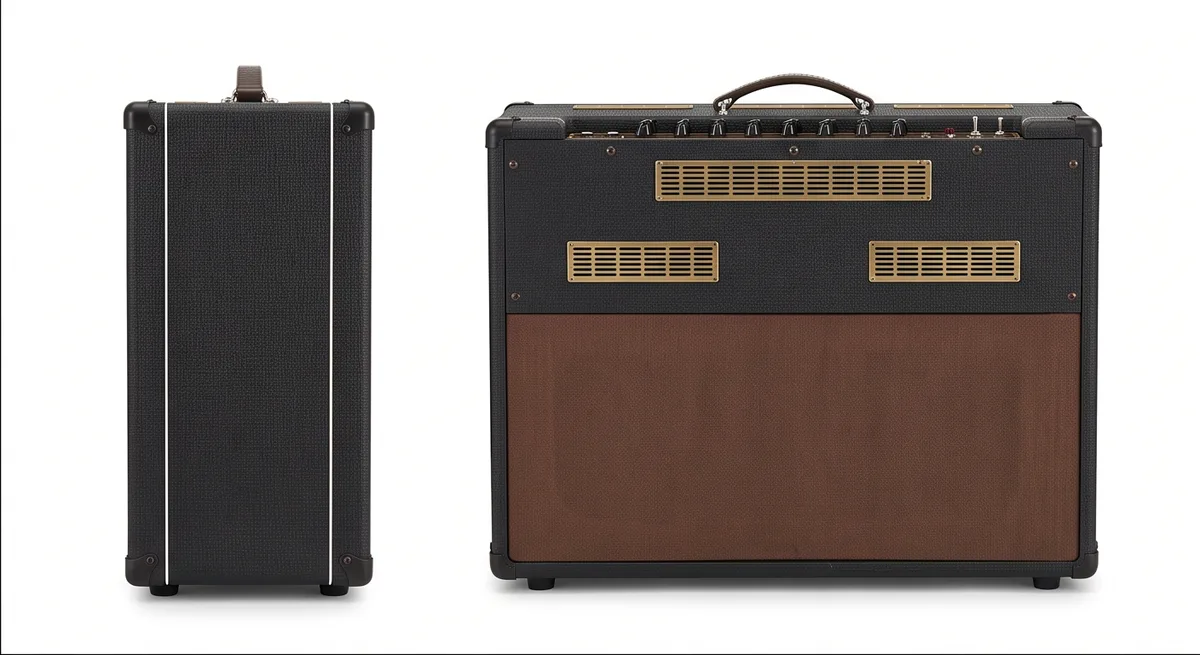
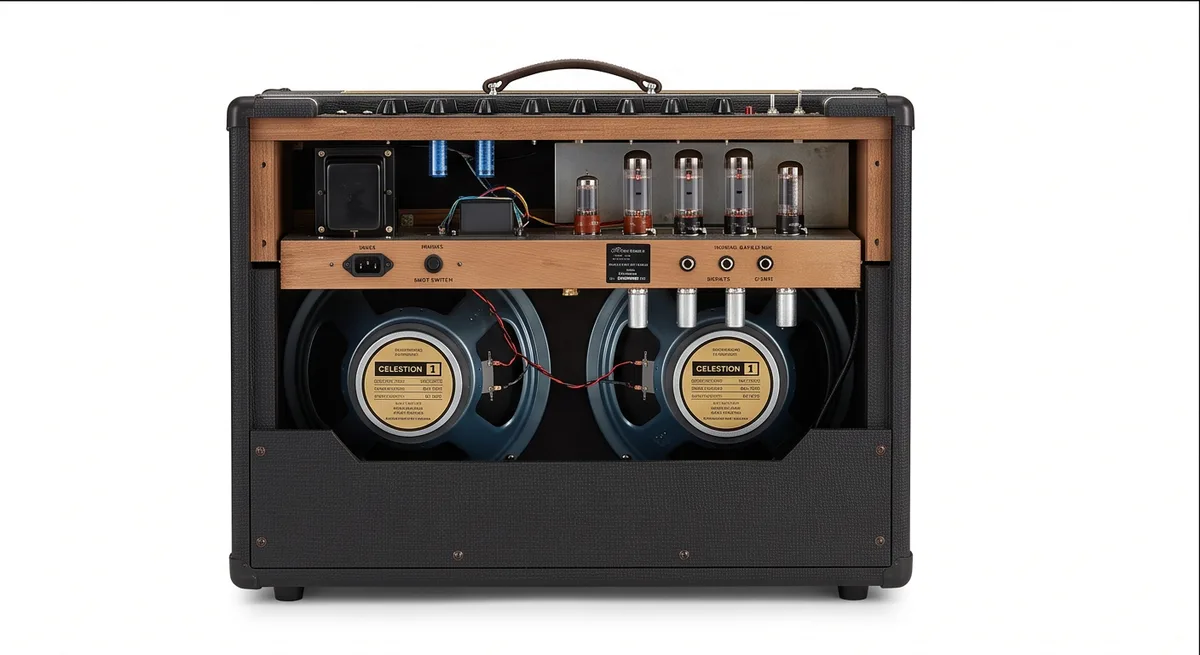
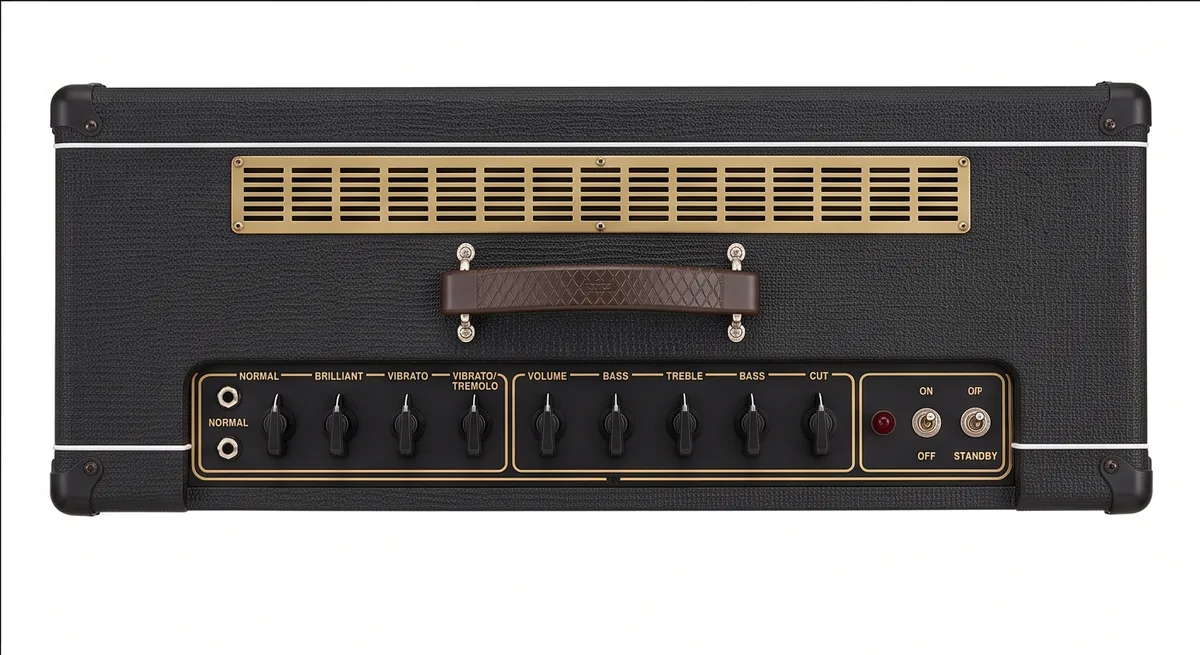
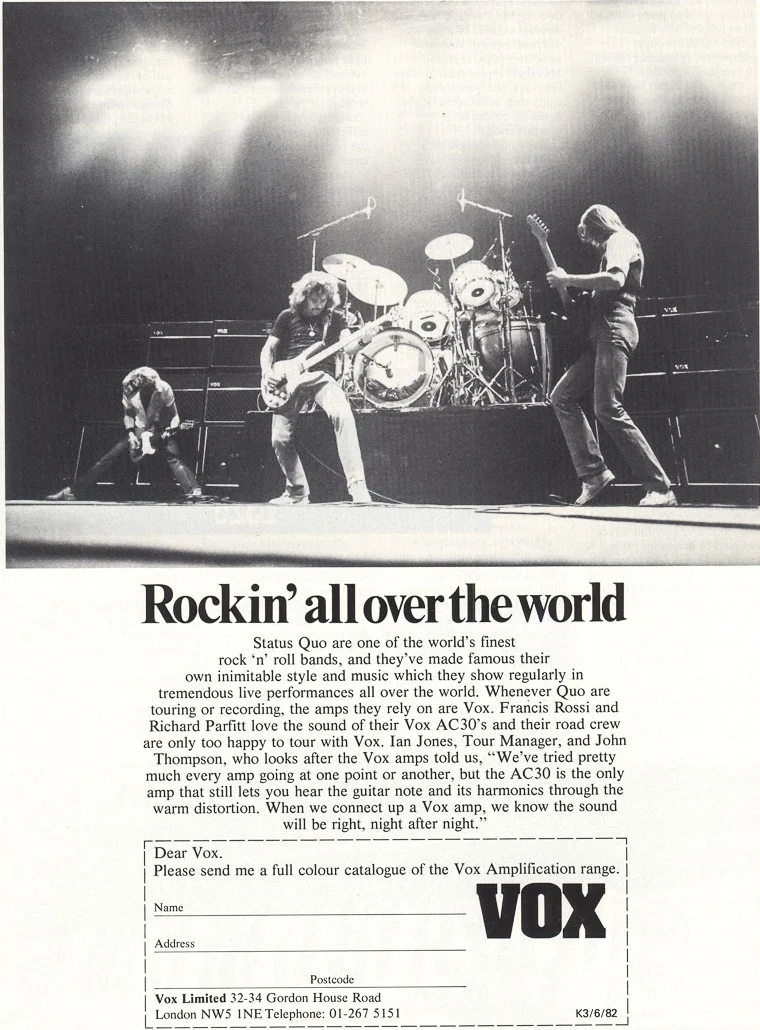
The Vox AC30 is a 30-watt valve amplifier that has become one of the most influential guitar amps in popular music. Introduced in 1959 by Jennings Musical Industries, a British manufacturer based in Dartford, Kent, the AC30 was designed to provide greater volume than the company's smaller AC15 model. The amp's circuit employs four EL84 power tubes, four ECC83 preamp tubes, and a GZ34 rectifier, delivering its output through a pair of 15-watt Celestion G12 speakers with Alnico magnets. This combination produces a distinctive tonal character: tight, round bass; a vocal-like midrange; and a treble with an upper-midrange chime that remains articulate whether played clean or heavily overdriven. The amp's touch-responsive dynamics and percussive attack made it immediately appealing to session and touring musicians.
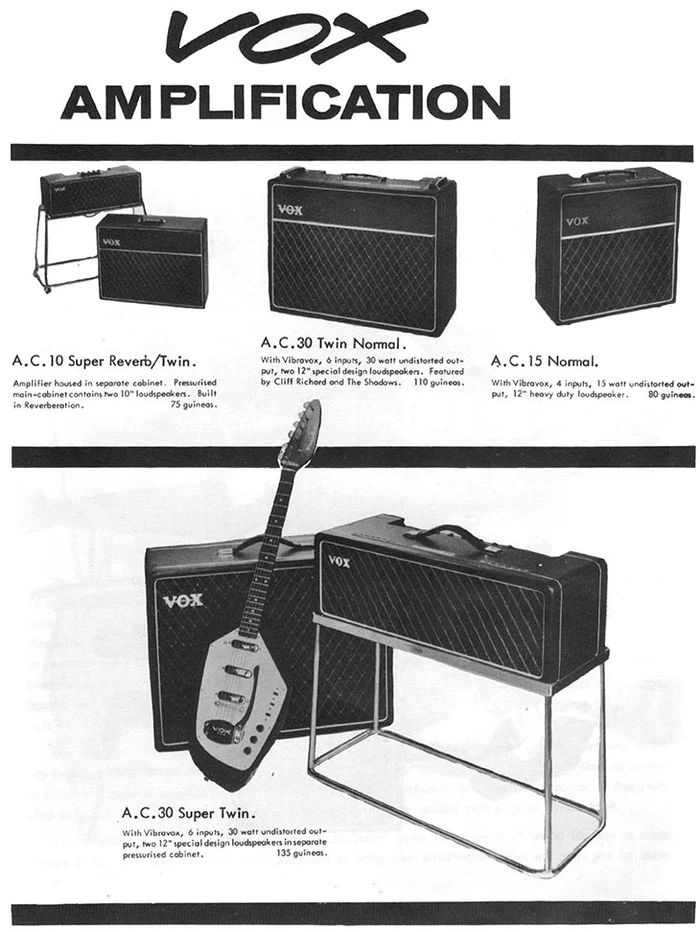
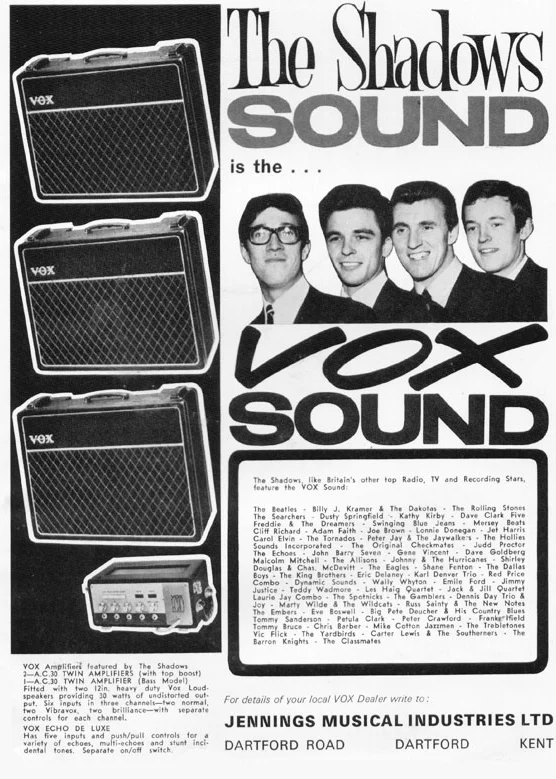
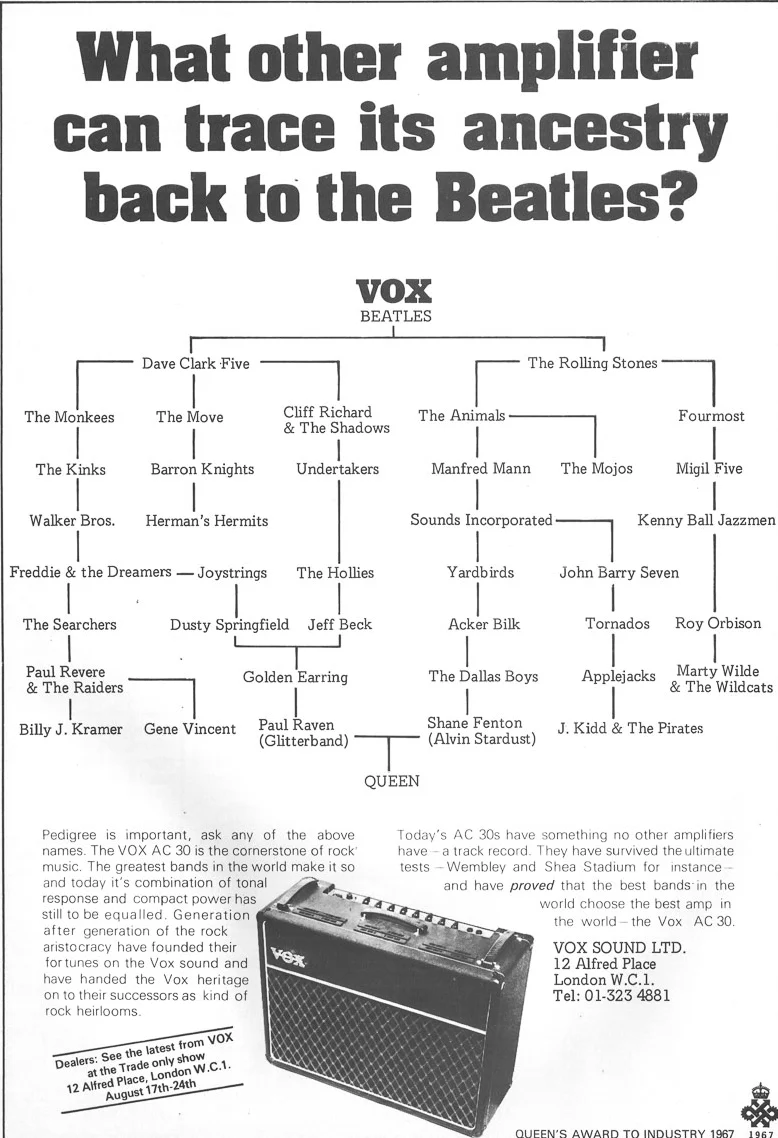
The AC30's cultural significance emerged quickly through its association with British rock pioneers of the 1960s. The Beatles used AC30s during studio sessions and live performances, particularly in 1963, though they later moved to larger Vox models as their amplification needs grew. Beyond the Beatles, the amp became the standard choice for generations of guitarists across multiple genres: British Invasion pioneers including the Kinks, the Rolling Stones, and the Who; punk and post-punk players such as Paul Weller; alternative and shoegaze musicians including Kevin Shields and Radiohead; and contemporary artists from Brian May to the Edge to Dave Grohl. This sustained cultural presence across decades and stylistic boundaries reflects the amp's fundamental sonic qualities rather than fashion or marketing.
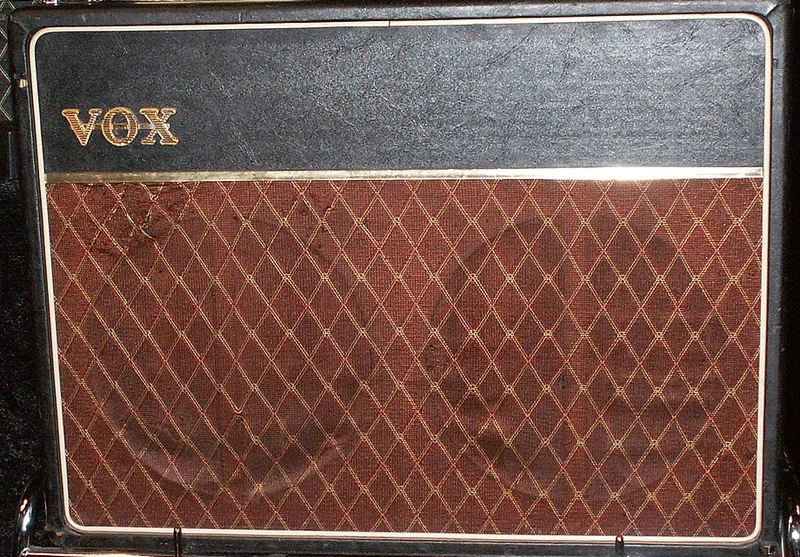

The AC30's survival through more than six decades of continuous production represents an unusual achievement in manufactured goods, particularly given the numerous ownership changes, factory relocations, and manufacturing process revisions it has undergone. From hand-wired construction in 1950s Kent to printed circuit boards in the 1970s to Chinese production in the 2000s, the amp has adapted to economic pressures while maintaining its core design. The mid-1960s AC30/6 Twin with Top Boost circuitry remains the reference point for most players and manufacturers, establishing a template that subsequent iterations have either honored or departed from. Recent hand-wired versions have restored production methods closer to the original, while more affordable models have democratized access to the AC30's distinctive character. This combination of design consistency and manufacturing flexibility has allowed the amp to remain relevant across changing technologies, ownership structures, and musical contexts.
Timeline
- 1959 First made · Disputed Vox AC30 enters production in Dartford, Kent.
- 1964 Ownership Jennings sells a majority stake to the Royston Group.
- 1968 Ownership The Vox name passes to Vox Sound Equipment Limited after Jennings Musical Industries ceases trading.
- 1970 Production Vox Sound Ltd. adopts cheaper printed circuit boards instead of hand-wiring.
- 1972 Ownership CBS-Arbiter acquires the company.
- 1990 Released A limited edition run restores confidence in the design.
- 2004 Production Production splits between budget Chinese-made models and limited-edition hand-wired versions.
Milestone dates are taken from the production notes behind this entry and have not been checked separately.
From the archive
More like this
-
 Microphones · since 1960 Sennheiser MD421 German cardioid dynamic microphone, unchanged since 1960. Read the entry →
 -
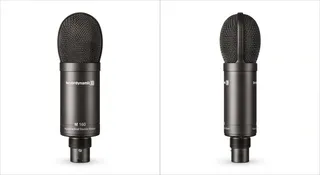 Microphones · since 1957 Beyerdynamic M160 German ribbon microphone, handmade since 1957 Read the entry →
 -
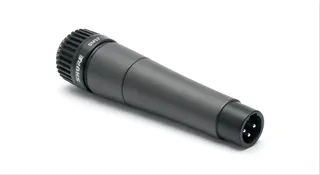 Microphones · since 1965 Shure SM57 Cardioid dynamic microphone in continuous production since 1965. Read the entry →
 -
 Microphones · since 1967 Neumann U87 The studio standard microphone, unchanged in essence for nearly sixty years. Read the entry →