Musical Instruments · Keys, Amps & More · Microphones
Shure
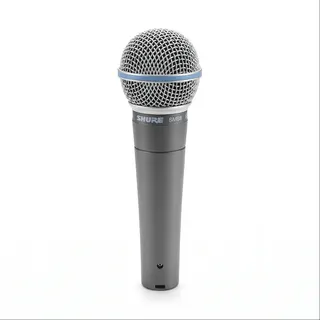
Shure SM57
Since 1965 · 61 years to 2026 · First made in Evanston, Illinois
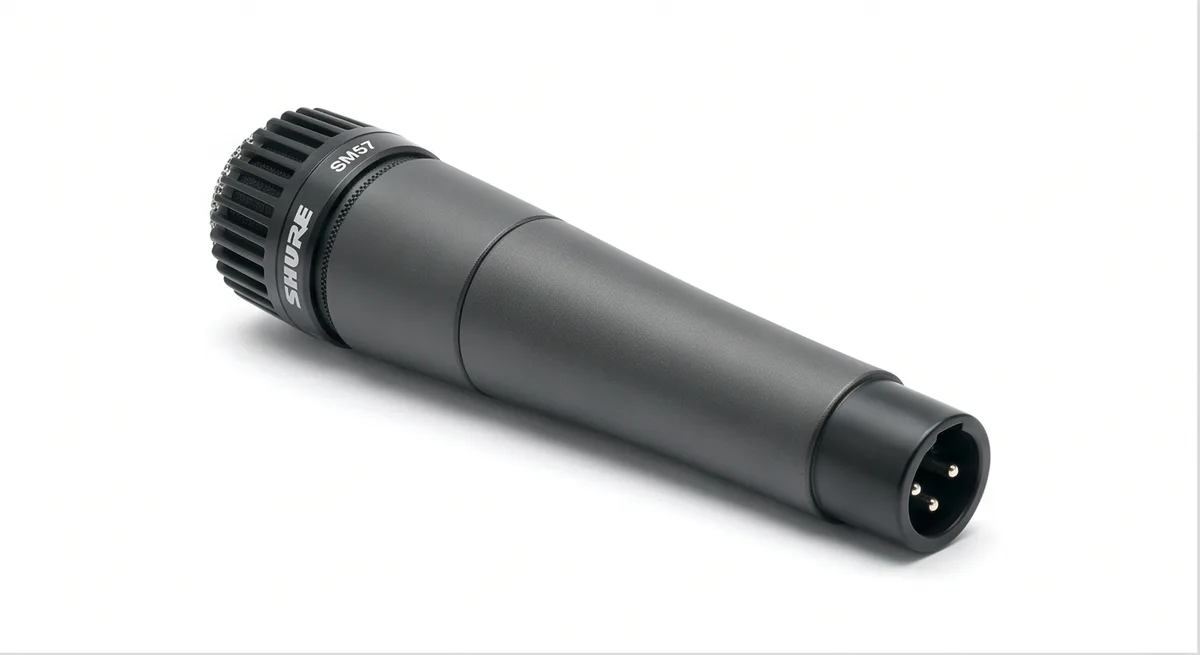
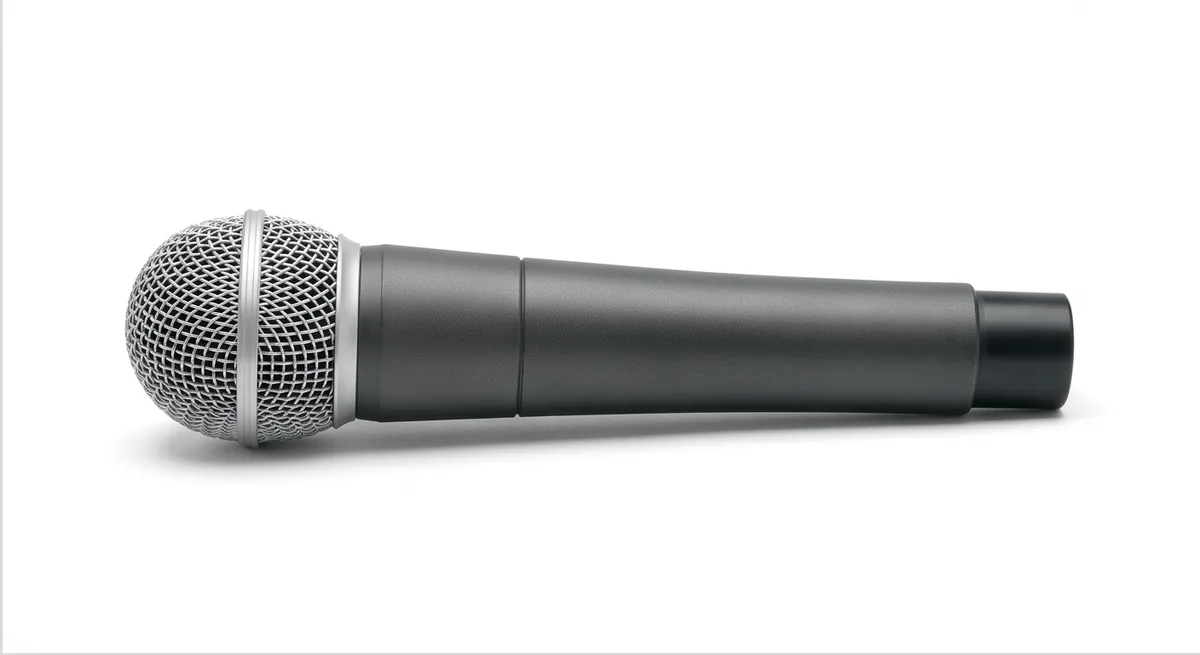
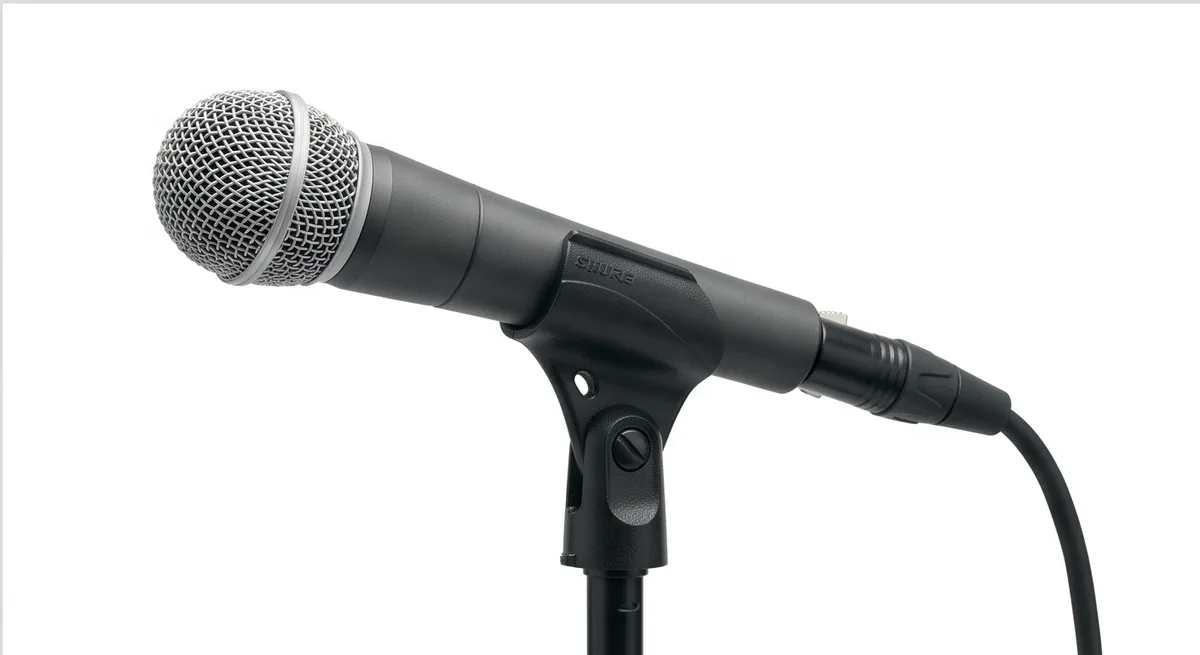
The Shure SM57 is a low-impedance cardioid dynamic microphone designed to capture sound from instruments and amplifiers with high sound pressure levels. Its development traces to 1937, when Shure engineer Benjamin Bauer created the first single-element directional microphone with a cardioid pickup pattern. The Unidyne III capsule, refined by engineer Ernie Seeler in 1959, represented a significant advance: its end-address design produced a more consistent polar pattern and reduced feedback compared to earlier side-address capsules. After three years of research and torture testing, Shure introduced the SM series in 1965, with the SM57 designated as a studio microphone intended for orchestral recording. The microphone's designer, an aficionado of classical music who "despised" rock music, could not have anticipated its trajectory.
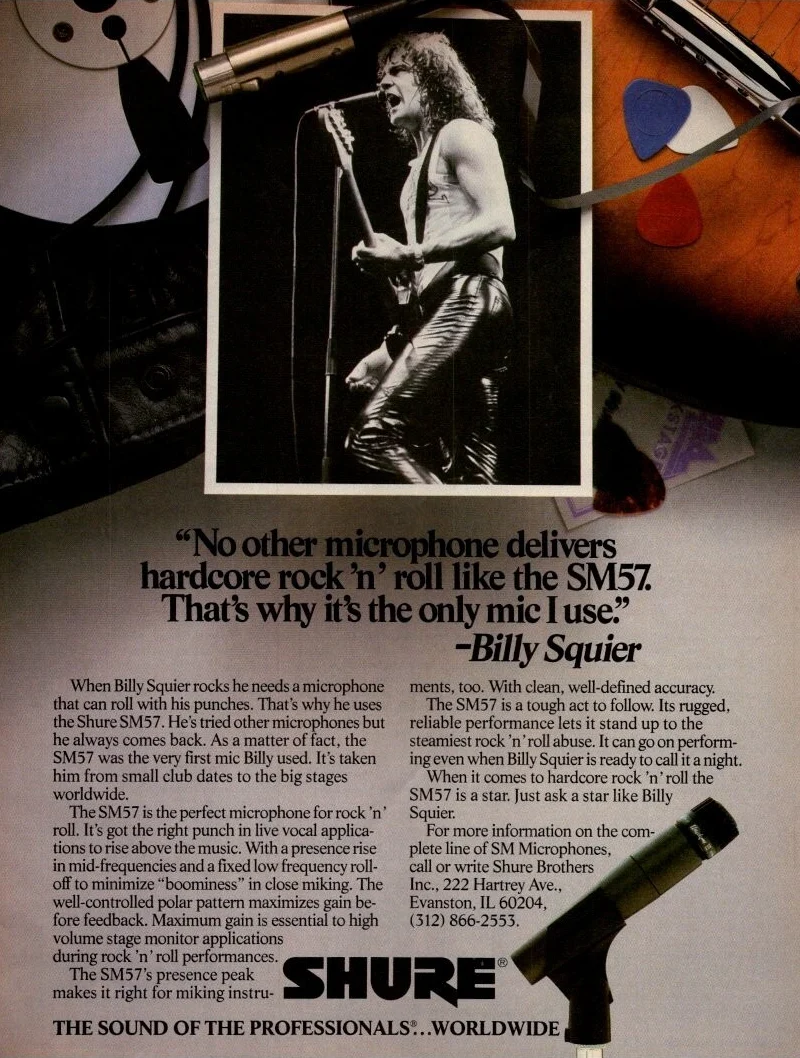
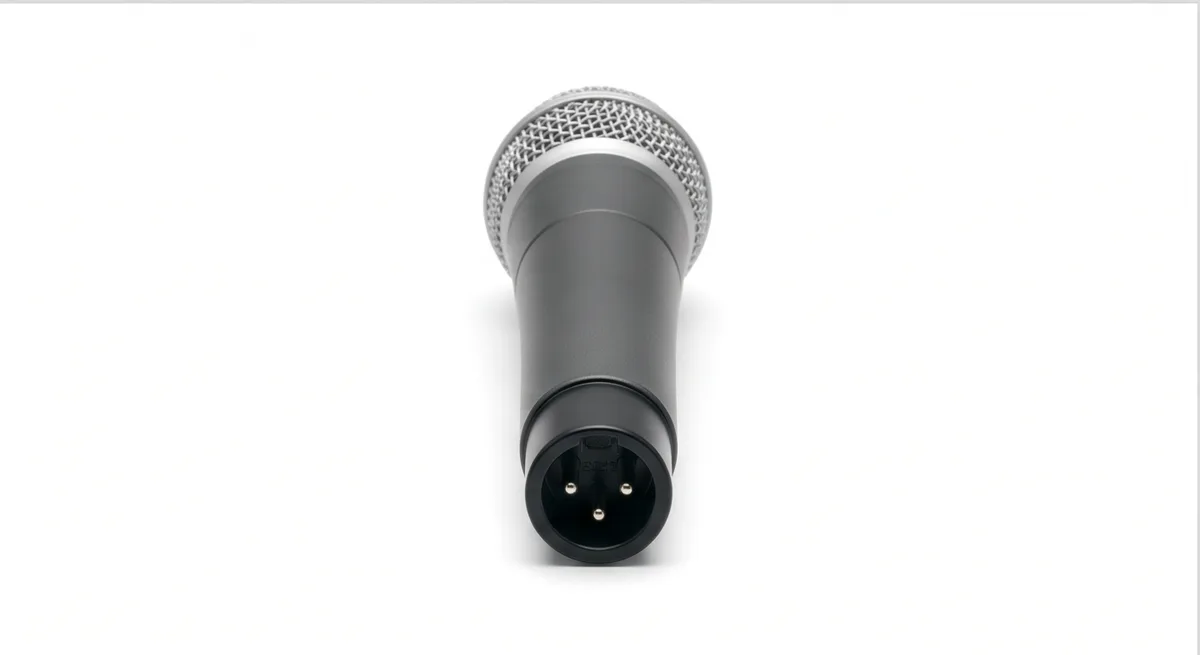
The SM57 shares its capsule with the SM58, but differs in grille design: the SM57 allows closer placement to sound sources, while the SM58 incorporates a pop filter for vocal use. Both use three-pin XLR connectors and impedance balancing to minimize electrical hum. The frequency response extends from 40 Hz to 15 kHz, with a carefully contoured presence rise in the midrange that has become its sonic signature. The microphone's rugged construction—die-cast steel housing with polycarbonate grille and stainless steel screen—reflects its intended durability for both stage and studio environments.
Within months of its 1965 introduction, the SM57 became the standard microphone at the White House lectern, a position it has held without interruption. Its adoption extended rapidly across live sound reinforcement and studio recording, particularly for drums, guitar amplifiers, and percussion instruments. The cardioid pickup pattern isolates the primary sound source while rejecting background noise and feedback. By the early 21st century, the microphone had appeared on an estimated 75 percent of recordings in circulation, from snare drums to vocals to guitar cabinets. In 2004, the TEC Awards inducted the SM57 into its first-ever TECnology Hall of Fame, recognizing four decades of "solid, dependable performance." Its ubiquity has made it a frequent target for counterfeiting, particularly from manufacturers in China and Thailand; Shure mounted an anti-counterfeiting campaign in 2006. The microphone remains one of the best-selling in the world.
Timeline
- 1959 Designed Shure engineer Ernie Seeler develops the Unidyne III capsule.
- 1965 First made · Verified Shure SM57 enters production in Evanston, Illinois.
- 1985 Production Shure relocates SM57 production from the United States to its Mexican facility.
- 2004 Recognised The TEC Awards inducts the SM57 into its first-ever TECnology Hall of Fame.
- 2006 Recognised Shure mounts an anti-counterfeiting campaign against fraudulent SM57 microphones.
Milestone dates are taken from the production notes behind this entry and have not been checked separately.
More like this
-
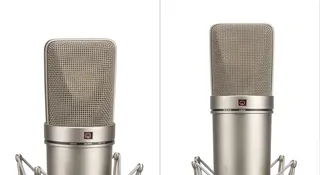 Microphones · since 1967 Neumann U87 The studio standard microphone, unchanged in essence for nearly sixty years. Read the entry →
 -
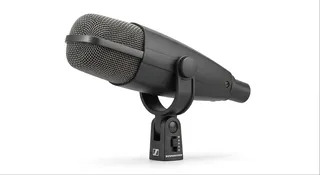 Microphones · since 1960 Sennheiser MD421 German cardioid dynamic microphone, unchanged since 1960. Read the entry →
 -
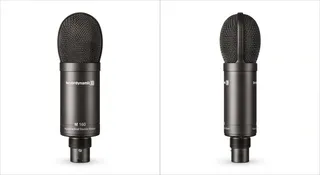 Microphones · since 1957 Beyerdynamic M160 German ribbon microphone, handmade since 1957 Read the entry →
 -
 Microphones · since 1966 Shure SM58 The microphone that became the industry standard for live vocal performance. Read the entry →