Fashion · Accessories · Watches
Omega
Omega Speedmaster Professional
Since 1957 · 69 years to 2026 · First made in Biel/Bienne, Switzerland
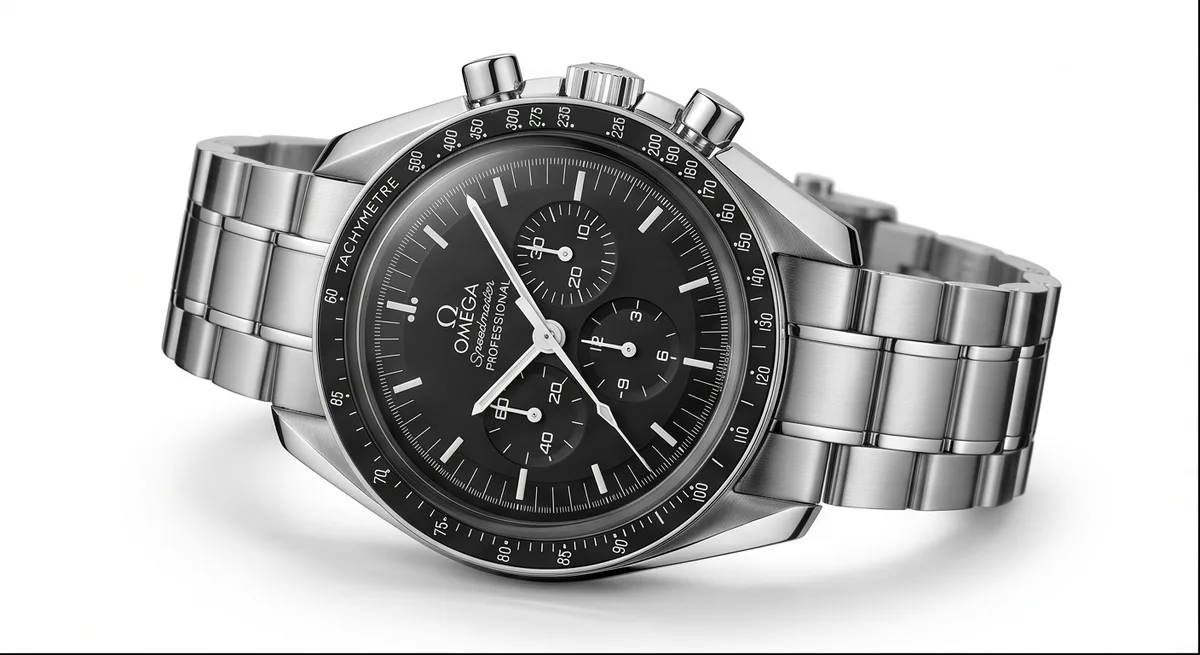
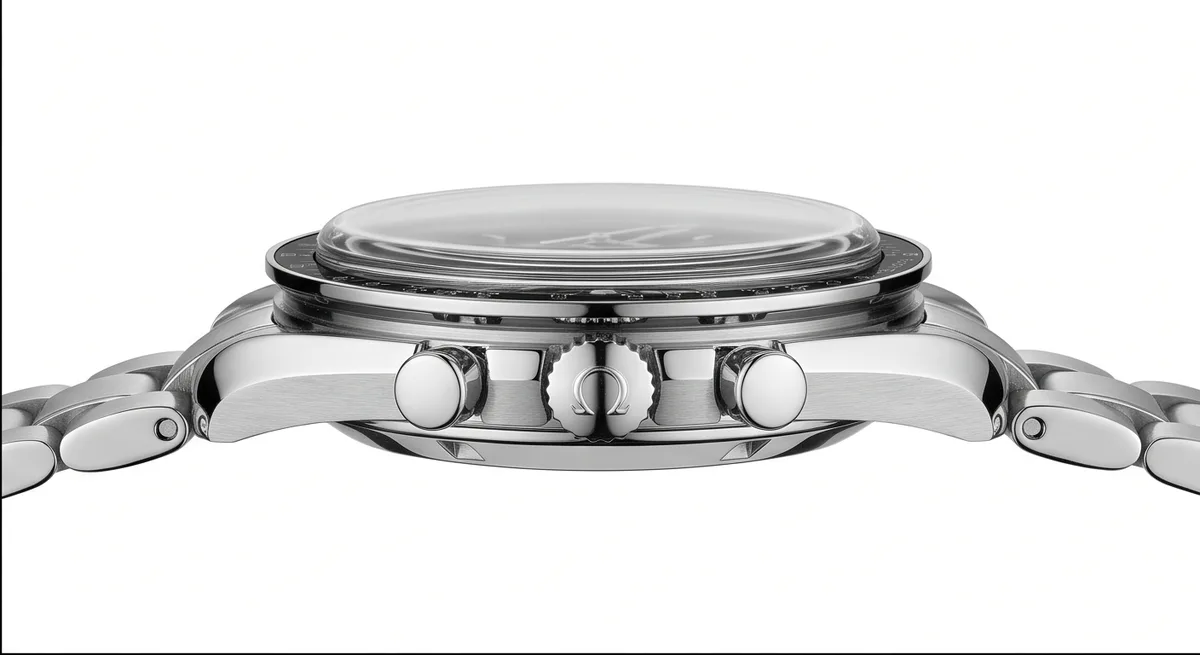
The Omega Speedmaster Professional emerged in 1957 as a racing chronograph, not as a space instrument. Omega introduced the reference CK 2915 with a novel external tachymeter scale bezel—a first for wristwatches—combined with a large, legible dial designed for drivers monitoring lap times. The watch featured a domed Plexiglas crystal (Hésalite), simple high-contrast index markers, and the Calibre 321 movement. The name itself derived from the model's tachymeter innovation and followed Omega's established naming convention set by the Seamaster and Railmaster lines.
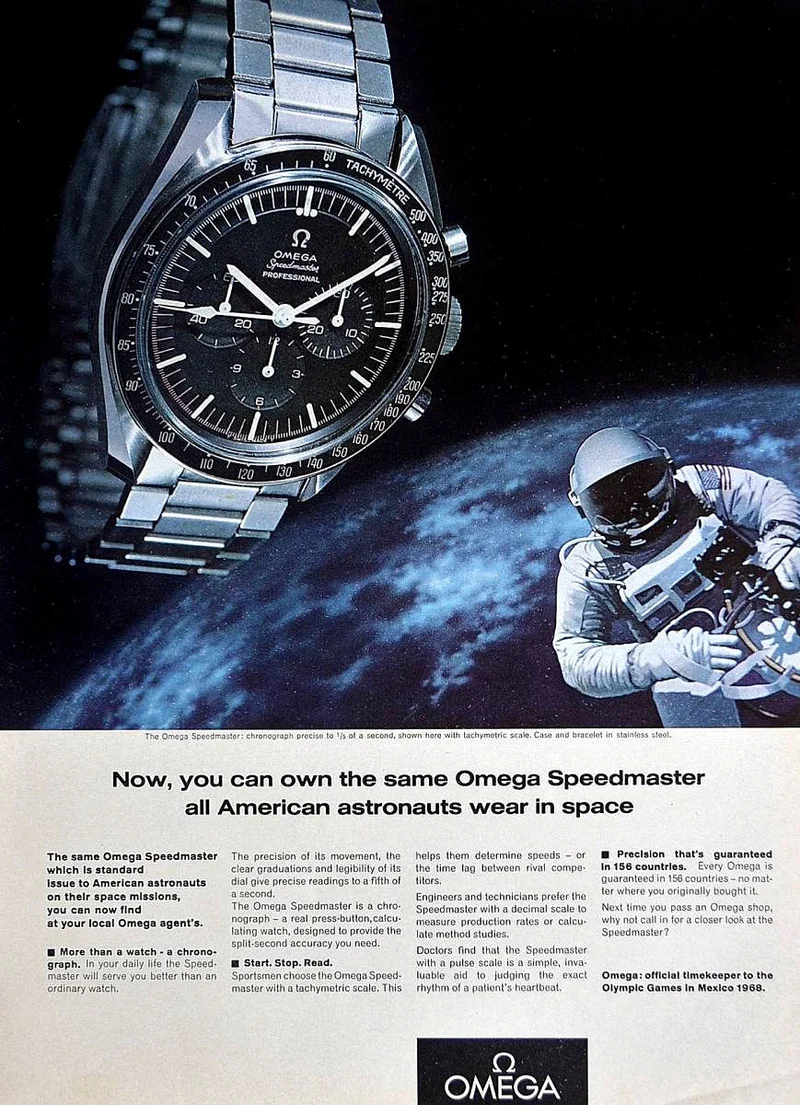
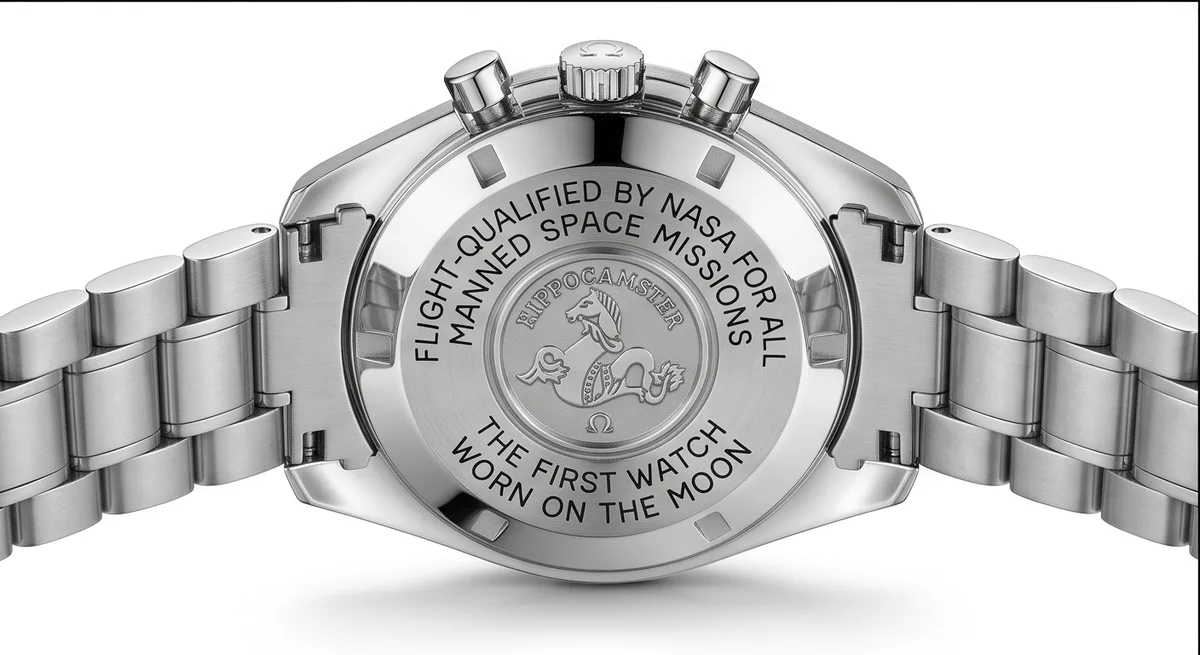
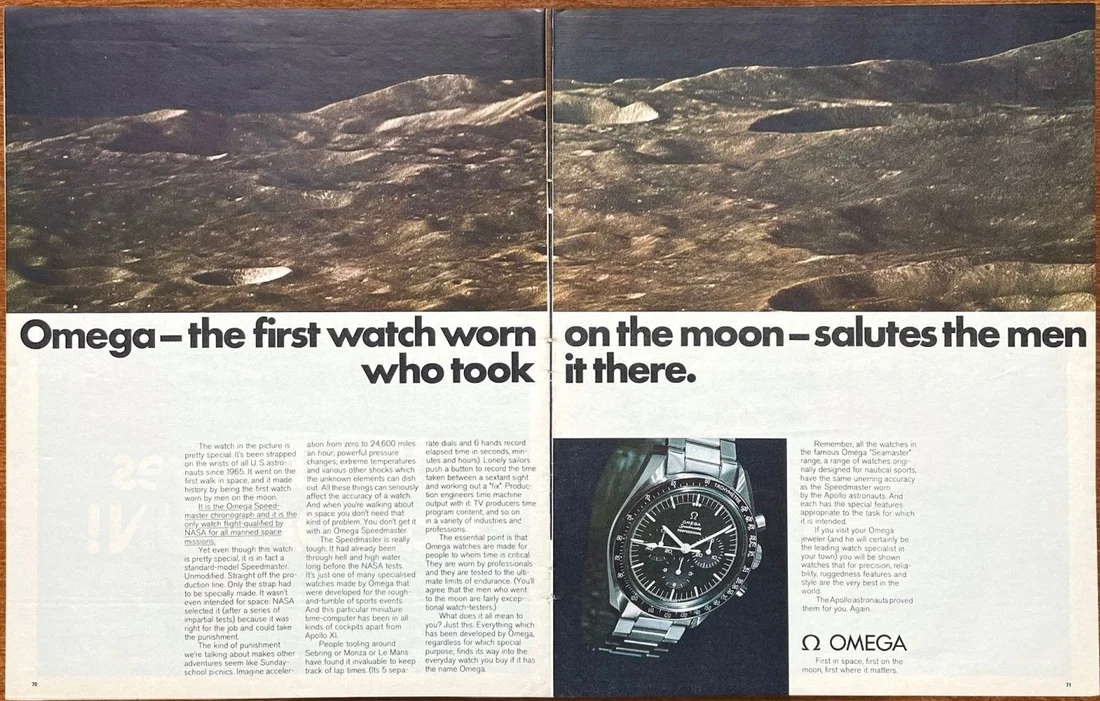
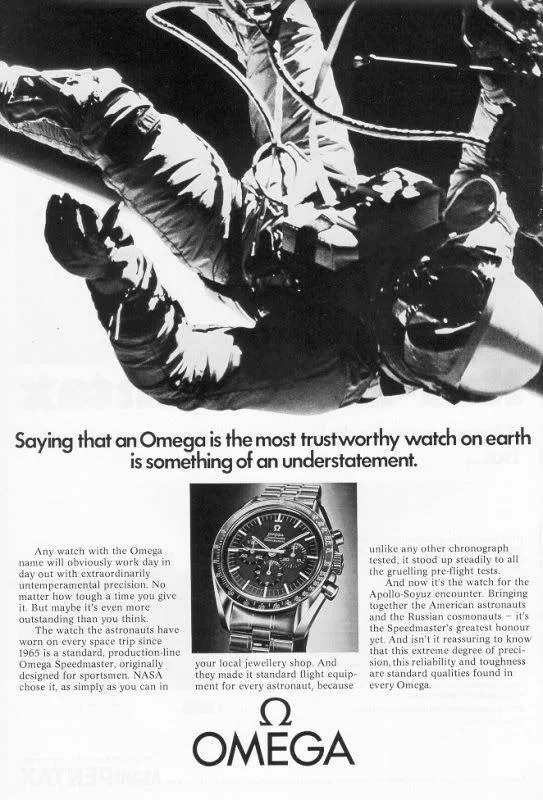
The watch's trajectory shifted unexpectedly in 1962 when astronaut Wally Schirra wore a Speedmaster during the Mercury-Atlas 8 mission, making it the first of its kind in space. By 1964, Omega had refined the design with twisted lugs—a distinctive case style with beveled lugs that would define the Speedmaster's appearance for decades. This iteration, the reference 145.012, became the official Speedmaster Professional and was worn during the first American spacewalk in 1965 and, most famously, by Buzz Aldrin on the lunar surface during Apollo 11 in 1969. NASA's subsequent qualification of the watch for extravehicular activity cemented its status as the only chronograph approved for spacewalks.
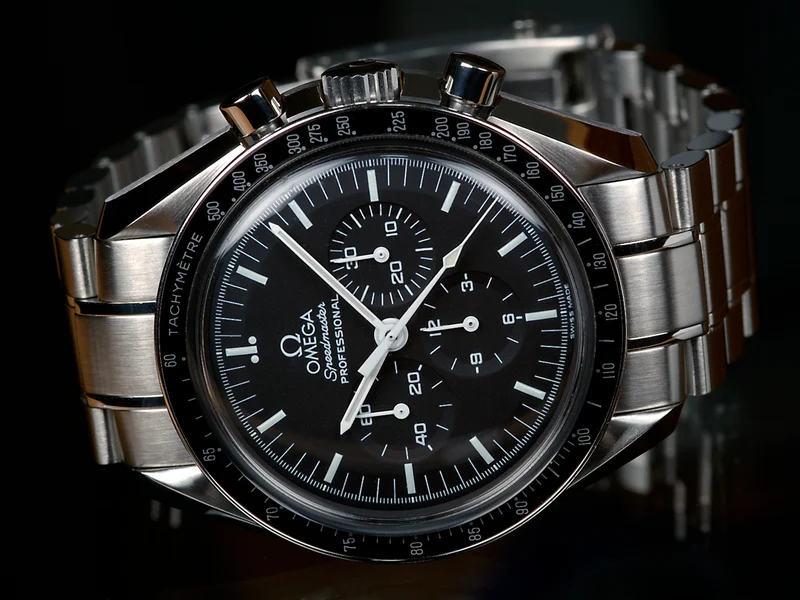

The Speedmaster Professional's endurance reflects both technical reliability and design restraint. While the movement evolved from the Calibre 321 to the Calibre 861 in 1968—a change driven by production efficiency rather than performance—the watch's essential character remained intact. The replacement of radioactive tritium lume with modern pigments in the 1990s represented a practical modernization without aesthetic disruption. The watch has maintained its flight qualification through successive NASA evaluations and continues to be produced in its original form: a manual-wind chronograph with a 42mm case, Hésalite crystal, and tachymeter bezel. Its price has remained roughly equivalent to its 1957 cost when adjusted for inflation, positioning it as one of the most historically significant instruments available at any price point.
Timeline
- 1946 Designed Albert Piguet develops the Calibre 321 movement for the Speedmaster.
- 1957 First made · Disputed Omega Speedmaster Professional enters production in Biel/Bienne, Switzerland.
- 1962 Recognised Astronaut Wally Schirra wears a Speedmaster during the Mercury-Atlas 8 mission.
- 1968 Production Omega transitions to the Calibre 861 movement with a cam-and-lever system.
- 1972 Recognised NASA re-evaluates and re-qualifies the Speedmaster Professional.
- 1978 Recognised NASA qualifies the Speedmaster Professional for use in the Space Shuttle program.
- 2021 Designed Omega announces an update to the standard-production model with a new movement and design refresh.
Milestone dates are taken from the production notes behind this entry and have not been checked separately.
From the archive
More like this
-
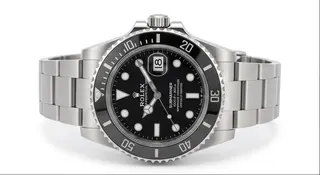 Watches · since 1953 Rolex Submariner The benchmark diver's watch, continuously refined since 1953. Read the entry →
 -
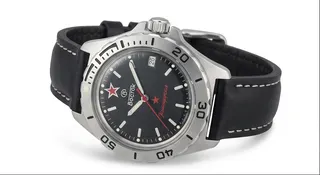 Watches · since 1965 Vostok Komandirskie Soviet military watch in continuous production since 1965. Read the entry →
 -
 Watches · since 1947 Movado Museum A single dot marking time, since 1947. Read the entry →
 -
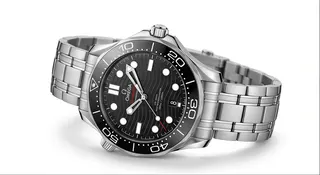 Watches · since 1948 Omega Seamaster Water-resistant sports watch born from wartime precision, 1948 to present. Read the entry →