Stationery & Office · Writing · Pens
Staedtler
Staedtler Noris Pencil
Since 1901 · 125 years to 2026 · First made in Nuremberg, Germany
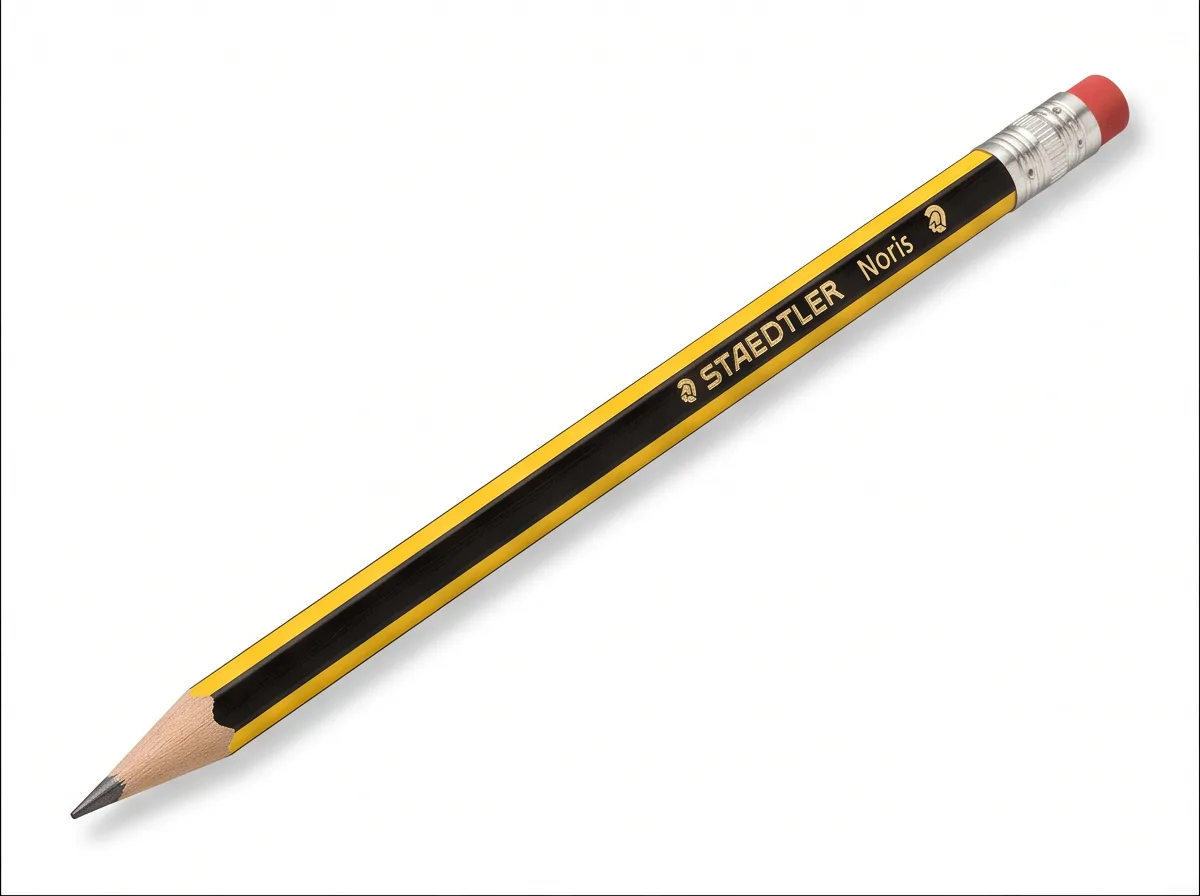
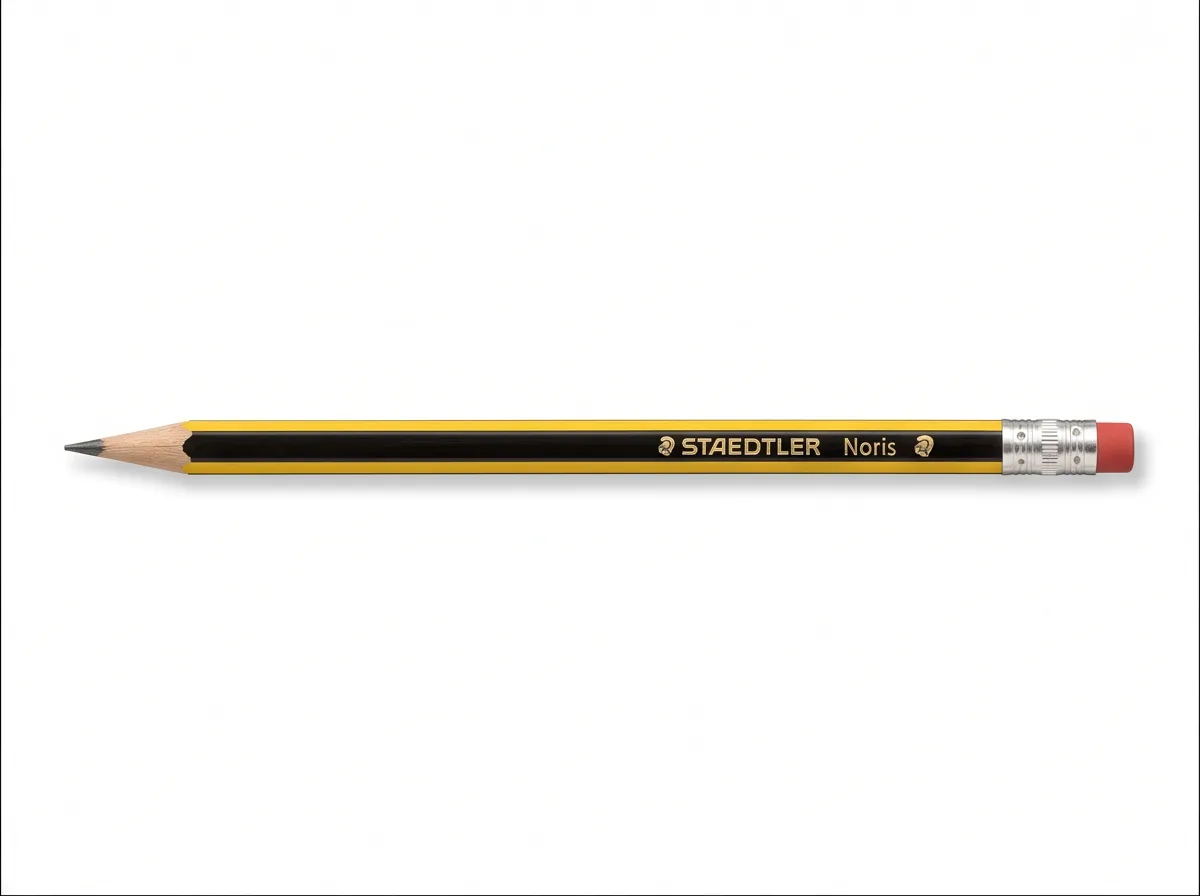
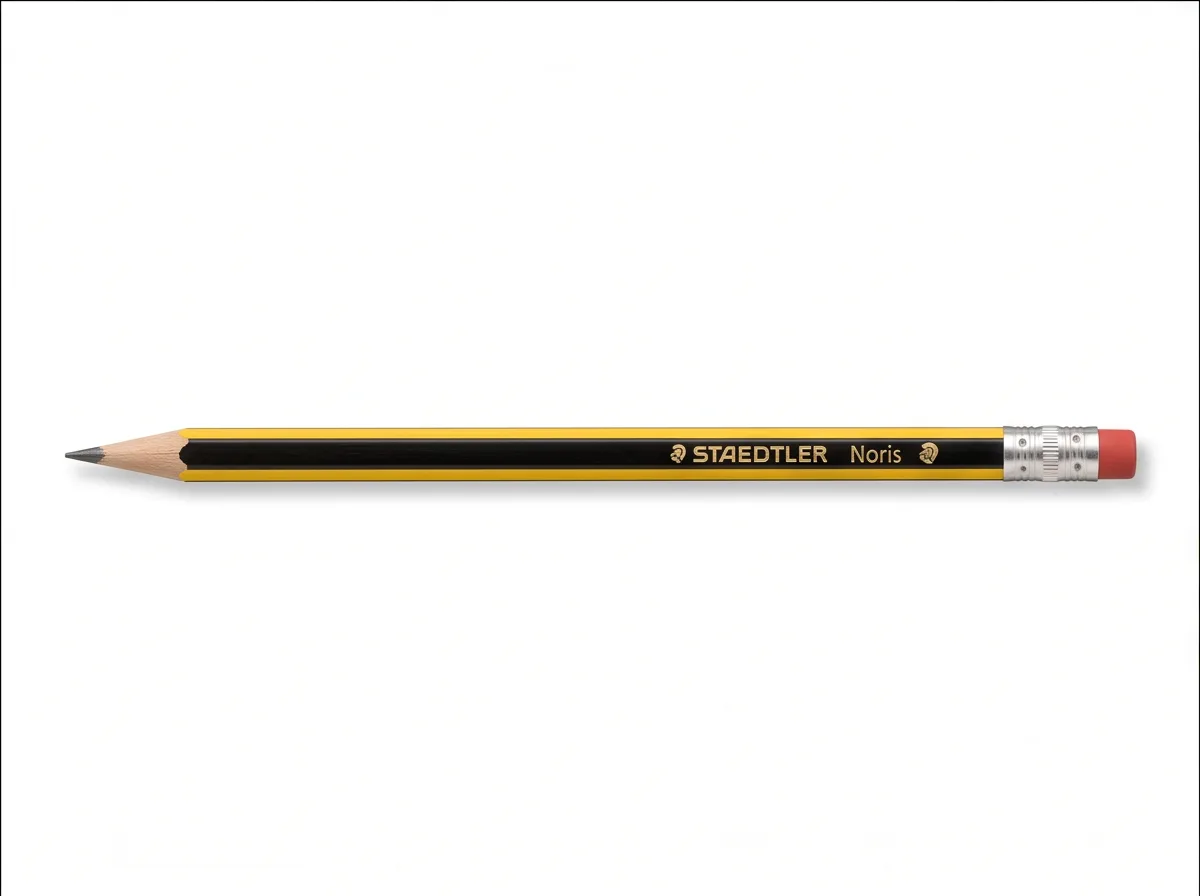
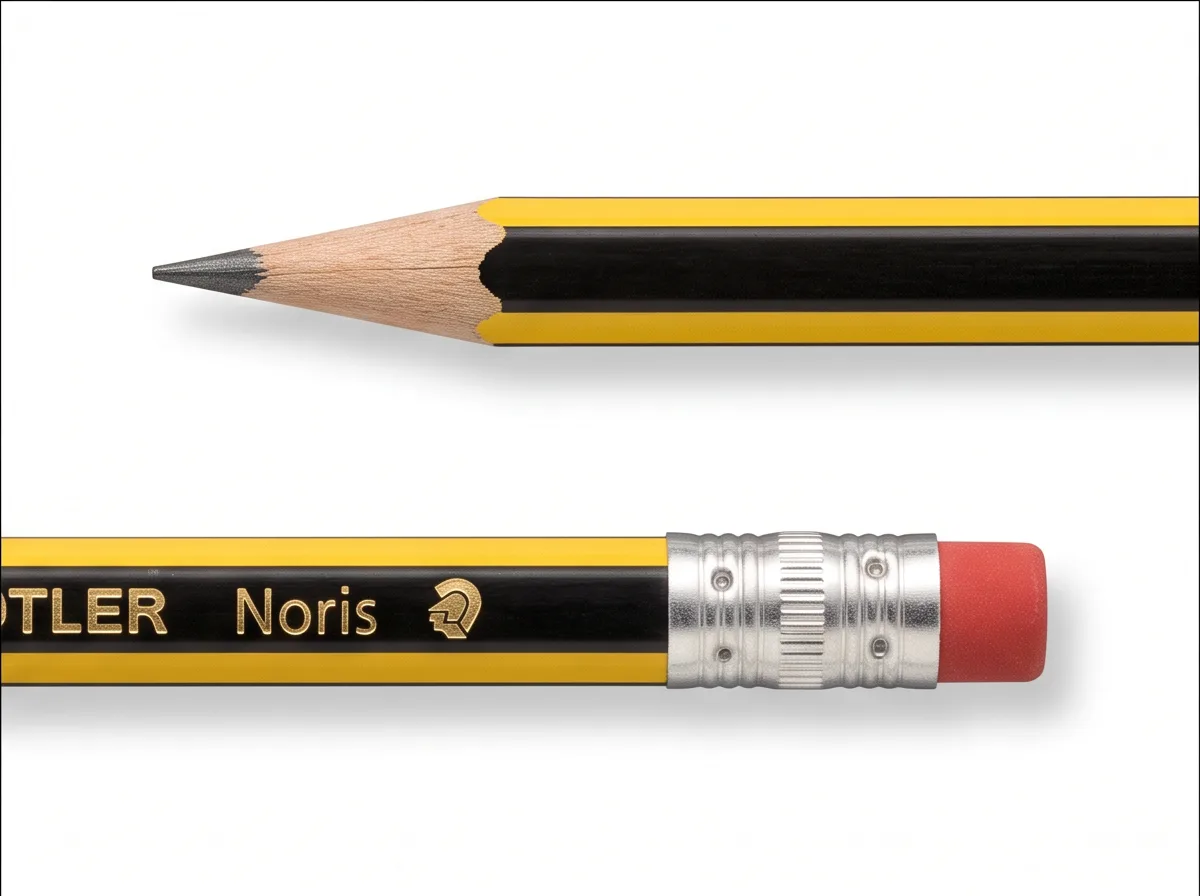
The Noris pencil emerged from Nuremberg in 1901, its name derived from the Latin designation of the city—Norimberga—and the personified figure of Noris, the city's nymph, created by local physician Johann Helwig in the 17th century. Staedtler registered the trademark as the industrial production of writing instruments was consolidating across Europe, positioning Noris within a growing market for school and office supplies. From its inception, the pencil was conceived as a tool for everyday use: practical, reliable, and affordable. The hexagonal wooden casing, the standardised graphite core, and the consistent sizing reflected the rationalist design principles of early 20th-century manufacturing.
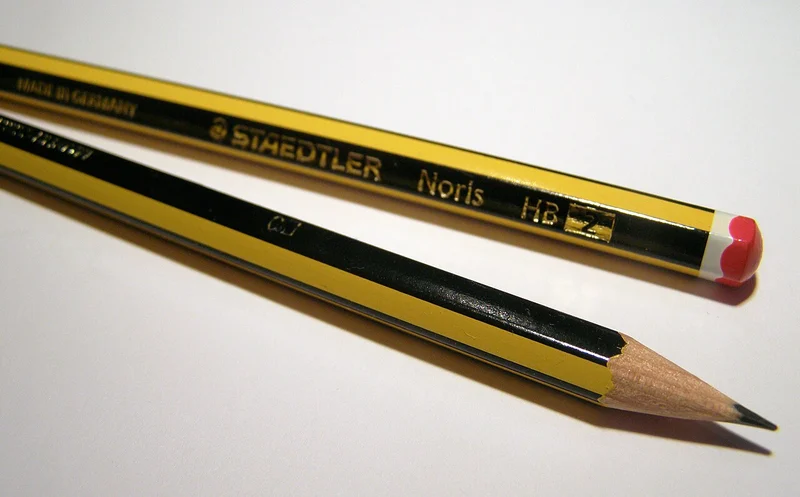

The visual identity that defines Noris today—the yellow body with black stripes and a red-tipped ferrule—crystallised in 1955, though striped versions had existed since 1934. This design choice was not merely aesthetic; the coloured cap at the pencil's end became a functional marker of hardness grade, encoding information directly into the object. A 2017 survey conducted by Staedtler in England found that eight of ten respondents, when asked to draw a pencil from memory, sketched a striped pattern, and half depicted it in yellow and black. The design had achieved iconic status, recognised across generations and geographies.
Noris established itself early as a school brand. By 1919, the product range included pencils, pastel chalks, pocket pens, and copying implements—all marketed toward educational institutions and young users. This positioning proved durable: the pencil became a fixture in classrooms and schoolbags worldwide, accumulating cultural associations with learning, creativity, and childhood memory. The brand has since diversified into erasers, sharpeners, compasses, and digital styluses, yet the graphite pencil remains central to its identity. In 2015, a Noris colour pencil measuring 459.97 metres entered the Guinness Book of Records as the longest coloured pencil ever produced, a testament to the brand's continued innovation within its core category.
The longevity of Noris reflects both industrial stability and adaptive design. Staedtler has maintained production through two world wars, economic depressions, and technological disruption, adjusting materials and manufacturing processes while preserving the essential form. The shift toward sustainably sourced and upcycled wood, the introduction of variants for different user groups—from Noris junior for small children to Noris digital for tablet users—demonstrates a capacity to evolve without abandoning the foundational object. The pencil endures not as a relic but as a working tool, continuously refined and reinterpreted for successive generations.
Timeline
- 1901 First made · Disputed Staedtler Noris Pencil enters production in Nuremberg, Germany.
- 1934 Designed Staedtler introduces the first striped Noris pencil, the Noris 1100, in black and orange.
- 2015 Recognised A Noris colour pencil measuring 459.97 metres enters the Guinness Book of Records as the longest coloured pencil ever produced.
Milestones as we found them, not as we've checked them.
More like this
-
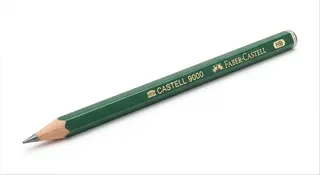 Pens · since 1905 Faber-Castell Castell 9000 The artist's pencil since 1905, refined but unchanged. Read the entry →
 -
 Pens · since 1924 Montblanc Meisterstück German fountain pen in continuous production since 1924. Read the entry →
 -
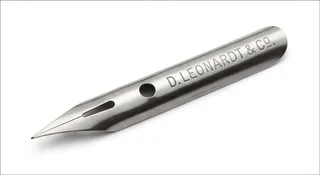 Pens · since 1856 Leonardt Dip Pen Nib The steel nib that outlasted an empire of makers. Read the entry →
 -
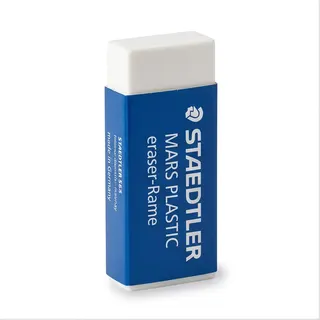 Pens · since 1967 Staedtler Mars Eraser Polymer eraser with minimal crumbling, continuously made since 1967. Read the entry →