Kitchen & Dining · Cooking & Baking · Cookware
Staub
Staub Cocotte
Since 1974 · 52 years to 2026 · First made in Alsace, France
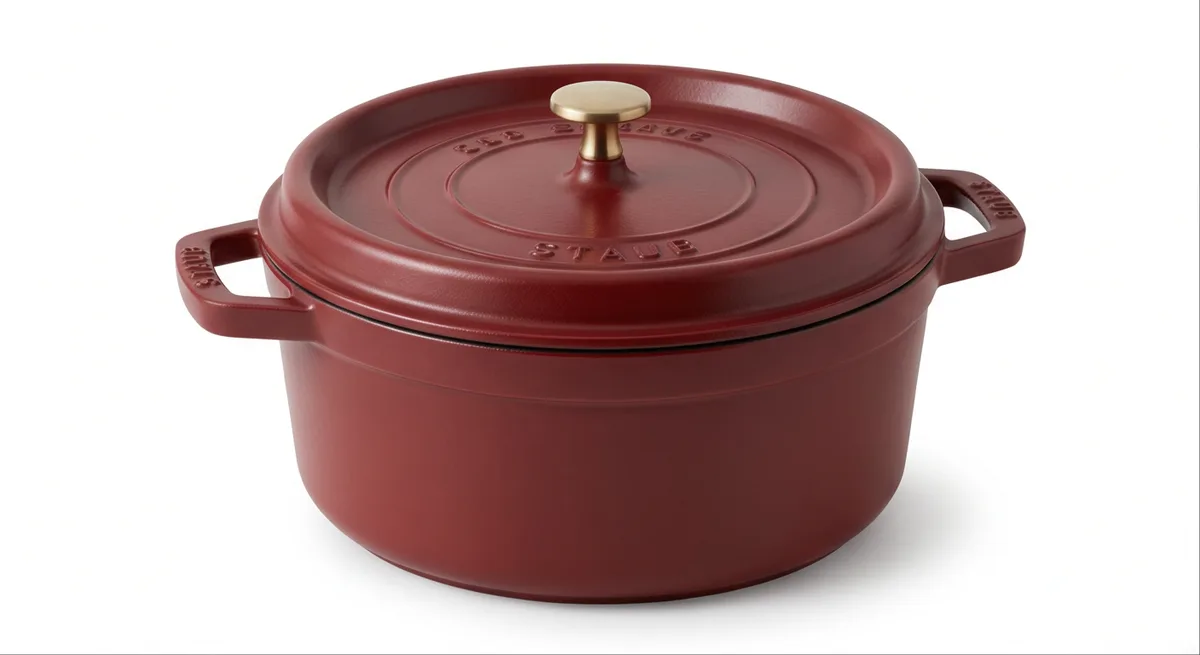
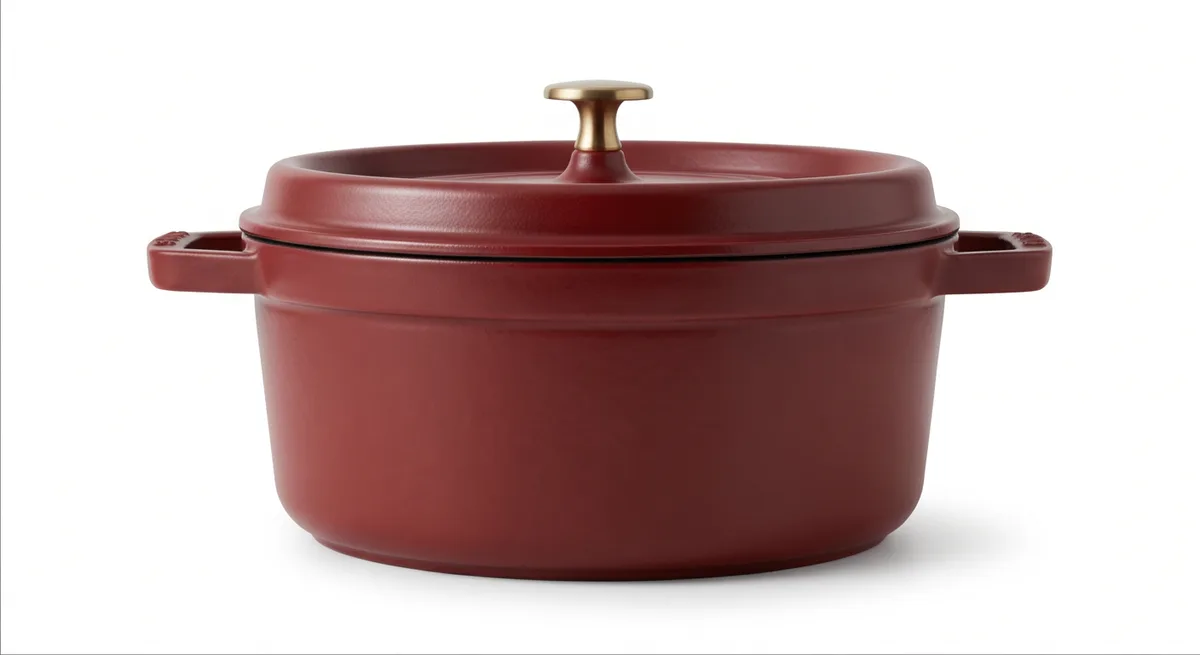
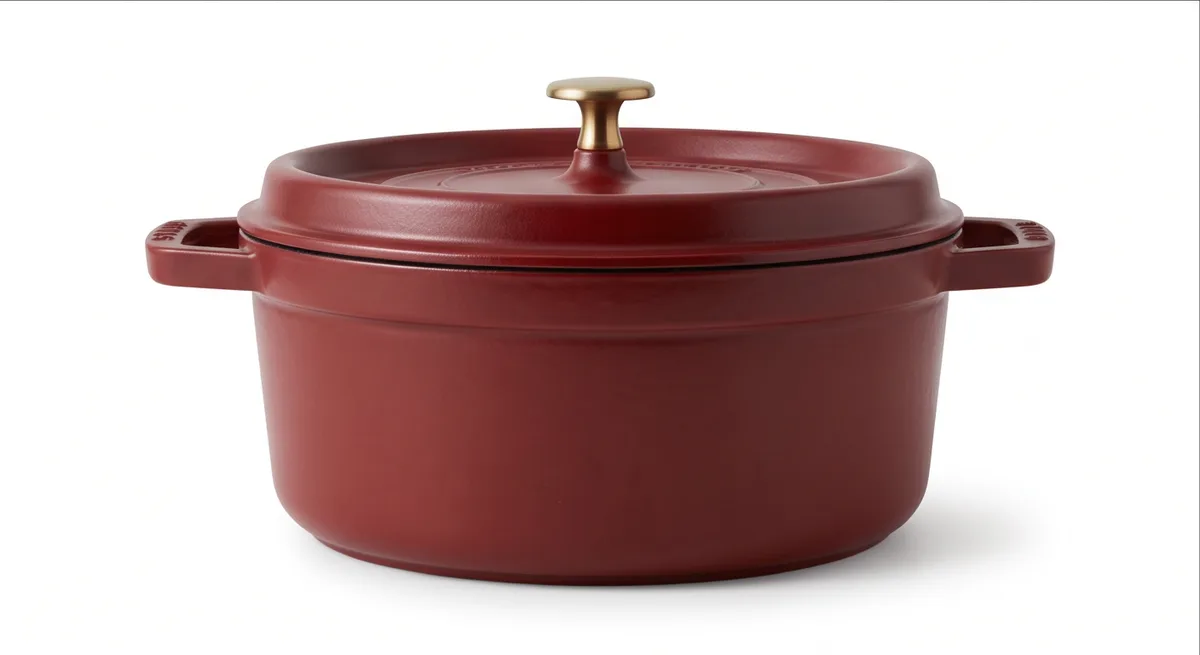
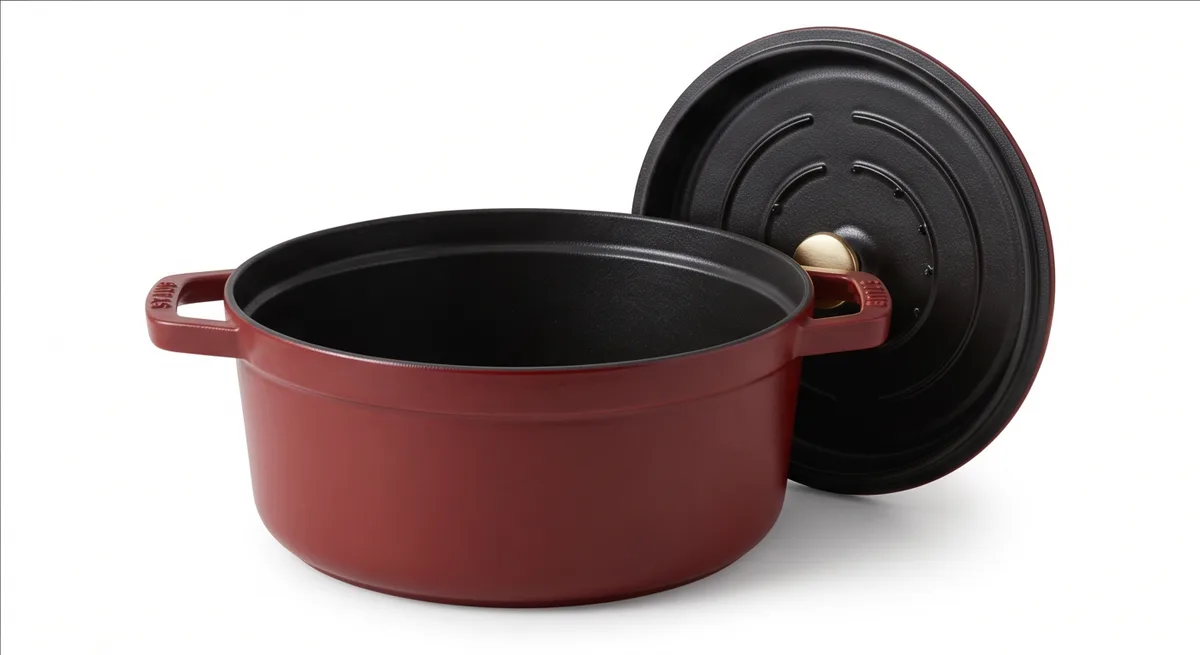
The Staub cocotte is an enameled cast iron Dutch oven, round or oval in form, with two handles and a heavy lid fitted with interior spikes—small protrusions that distribute steam evenly during cooking and prevent food from drying. The design emerged from Francis Staub's work in an Alsatian artillery factory, where he sought to perfect a vessel for slow-cooking the region's hearty soups and braises. His innovation was to marry the heat-retention properties of cast iron with modern enameling techniques, creating a pot that could move seamlessly from stovetop to oven to table.
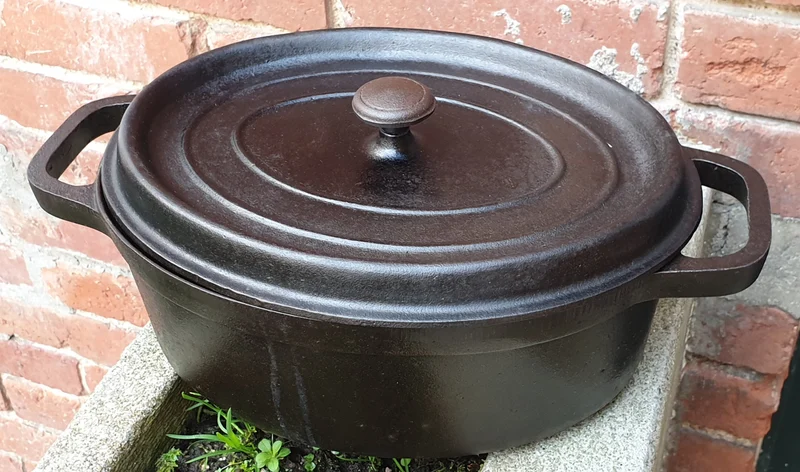

The production process remains labor-intensive and largely unchanged in its fundamentals. Each cocotte begins as molten metal—a carefully calibrated mixture of pig iron, scrap metal, and limestone—heated to 2,550 degrees Fahrenheit. This molten iron is poured into sand molds made from fine black sand sourced near Paris, pressed between aluminum pattern plates at high pressure. The sand molds are destroyed after a single use, ensuring consistency. The cast form is then cleaned, and the enamel coating—made from glass powder and mineral pigments—is applied in two or three layers depending on the desired color, with ceramic balls tumbled through the mixture to ensure even pigmentation.
The cocotte's cultural life has been shaped by its association with French domestic tradition and professional cooking alike. The design gained validation when Lyonnais chef Paul Bocuse endorsed the product, lending his reputation to Staub's innovation. Over decades, the cocotte has transcended its regional origins to become a standard tool in kitchens across Europe and North America, prized for its durability, even heat distribution, and the self-basting effect of its distinctive lid. The pot's matte black interior resists scratching and staining in ways that distinguish it from competitors. Its endurance reflects both the soundness of its original conception and the continuity of its production methods—the same foundry, the same sand, the same fundamental process that Staub established fifty years ago.
Timeline
- 1974 First made · Verified Staub Cocotte enters production in Alsace, France.
- 2008 Ownership Zwilling J.A. Henckels acquires Staub and introduces enhanced safety measures at the foundry.
Milestones as we found them, not as we've checked them.
More like this
-
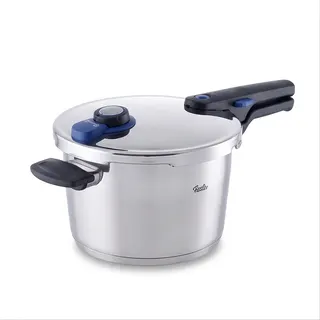 Cookware · since 1953 Fissler Pressure Cooker Safe pressure cooking for the home kitchen, since 1953. Read the entry →
 -
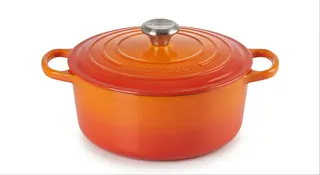 Cookware · since 1925 Le Creuset Enamelled Cast Iron Dutch Oven Enamelled cast iron cookware in continuous production since 1925. Read the entry →
 -
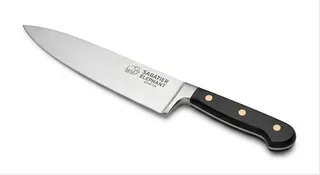 Knives & Chopping · since 1958 Sabatier Elephant Chef's Knife Hand-forged French chef's knife, marked since 1958. Read the entry →
 -
 Bakeware · since 1950 Nordic Ware Bundt Pan A Hadassah society's Gugelhupf, cast in aluminium in Minneapolis since 1950. Read the entry →