Fashion · Clothing · Jackets & Coats
Barbour
Barbour Bedale
Since 1980 · 46 years to 2026 · First made in South Shields, Tyne and Wear
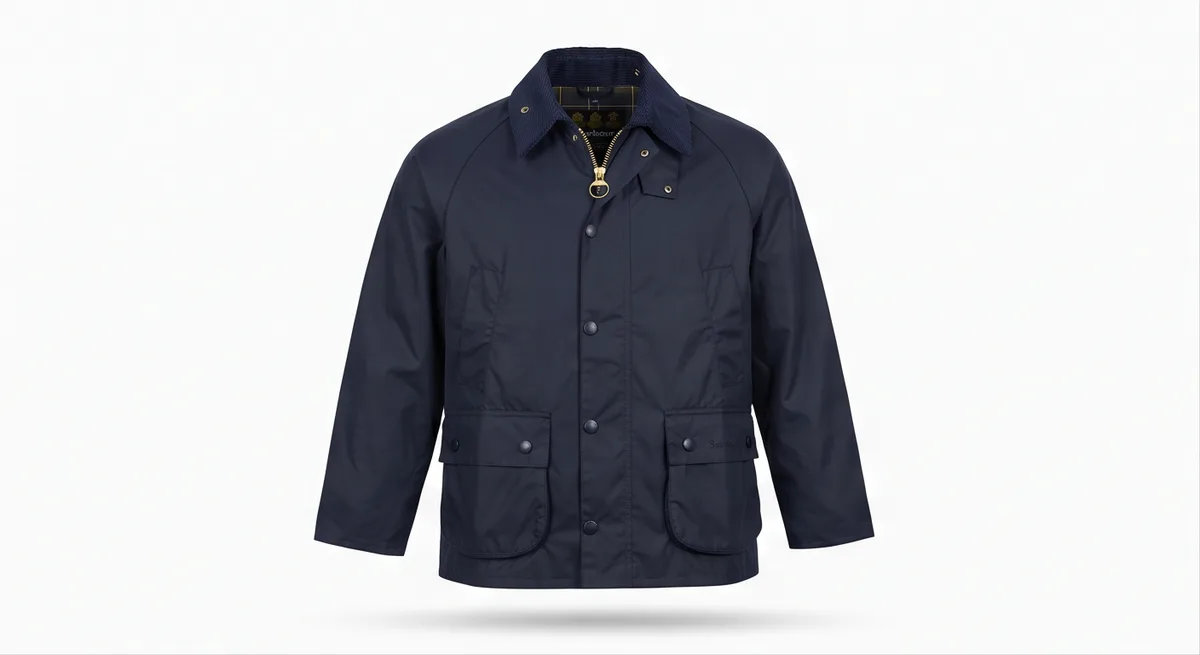
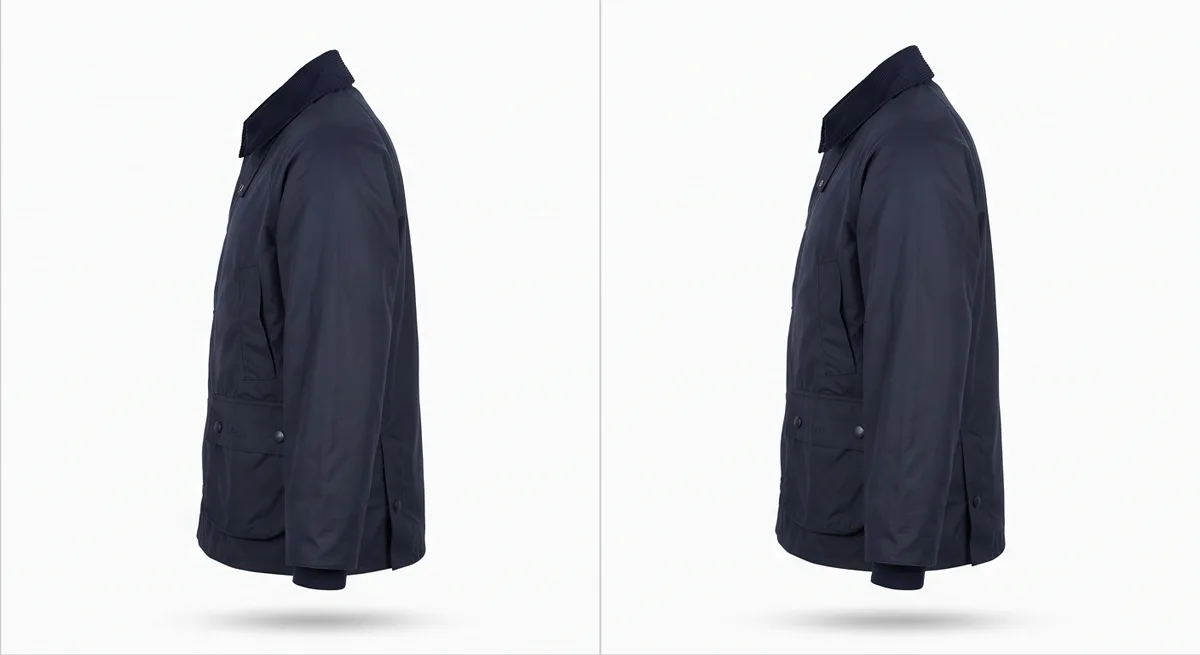
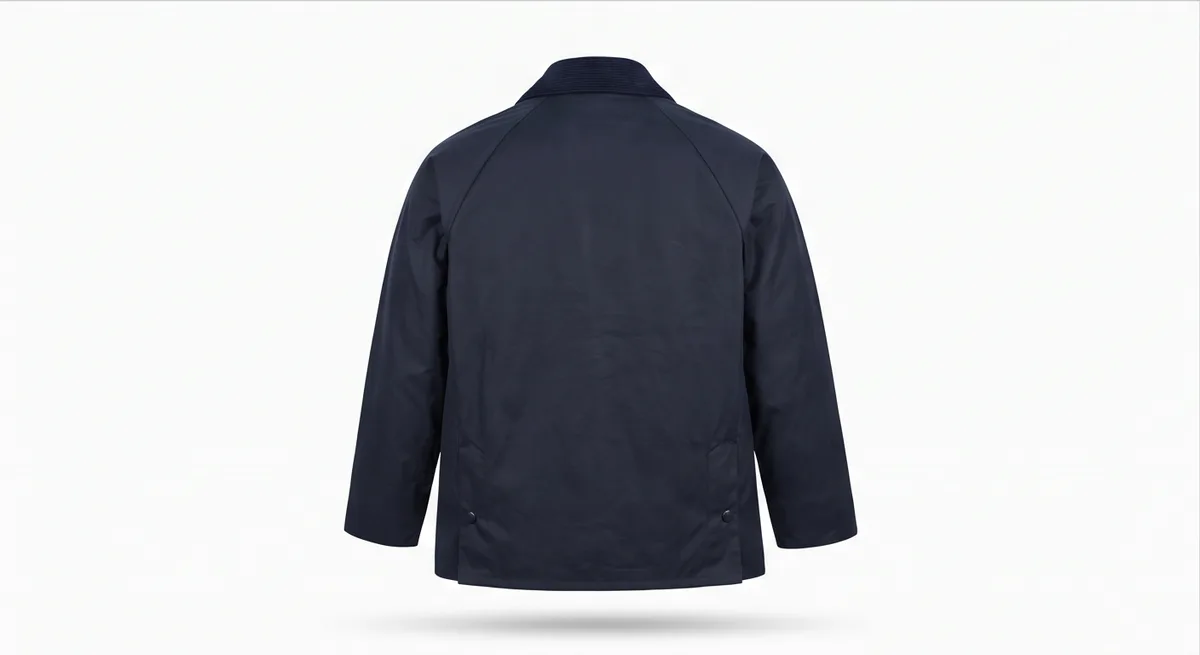
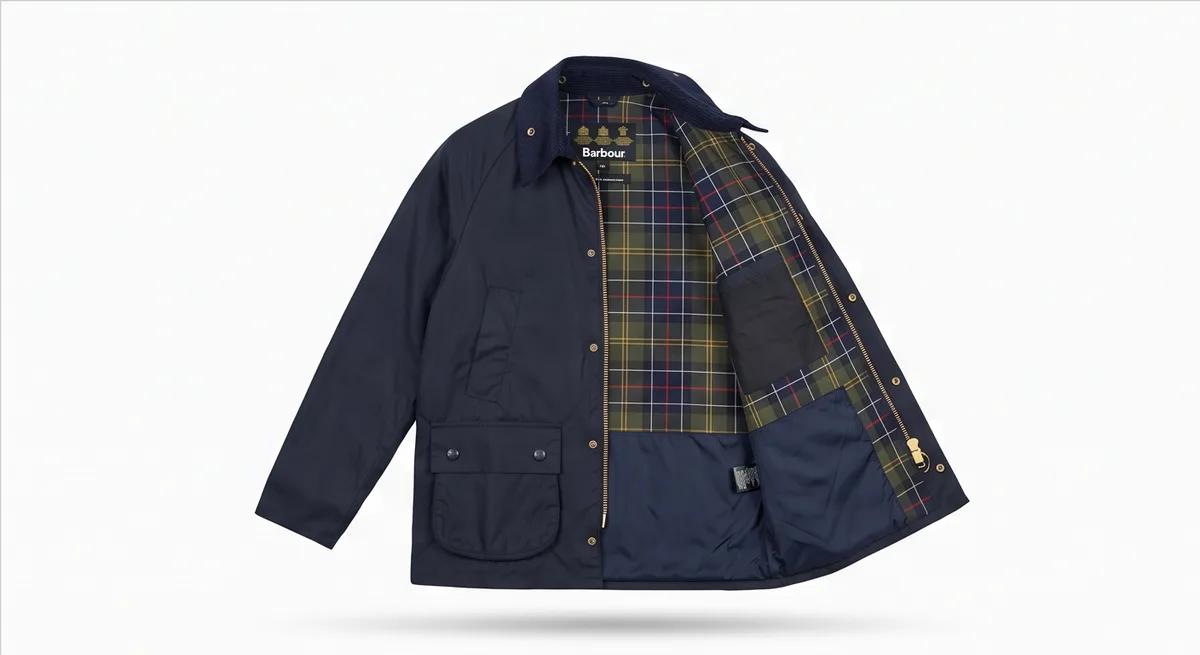
In 1980, Barbour introduced the Bedale, a departure from the company's established longer jackets and the first in a new category of short, lightweight waxed outerwear. Dame Margaret Barbour, then chairwoman of J Barbour & Sons, designed the jacket with specific equestrian requirements: a shorter cut to avoid catching on saddles, a relaxed fit for ease of movement, rear vents for riding posture, and a nylon inner 'drip-strip' to prevent moisture from horses seeping into the garment. The Bedale was constructed from mediumweight 6oz waxed cotton, treated with Sylkoil applied directly to the loom, giving the fabric its characteristic water-repellent properties and wind-resistant finish.
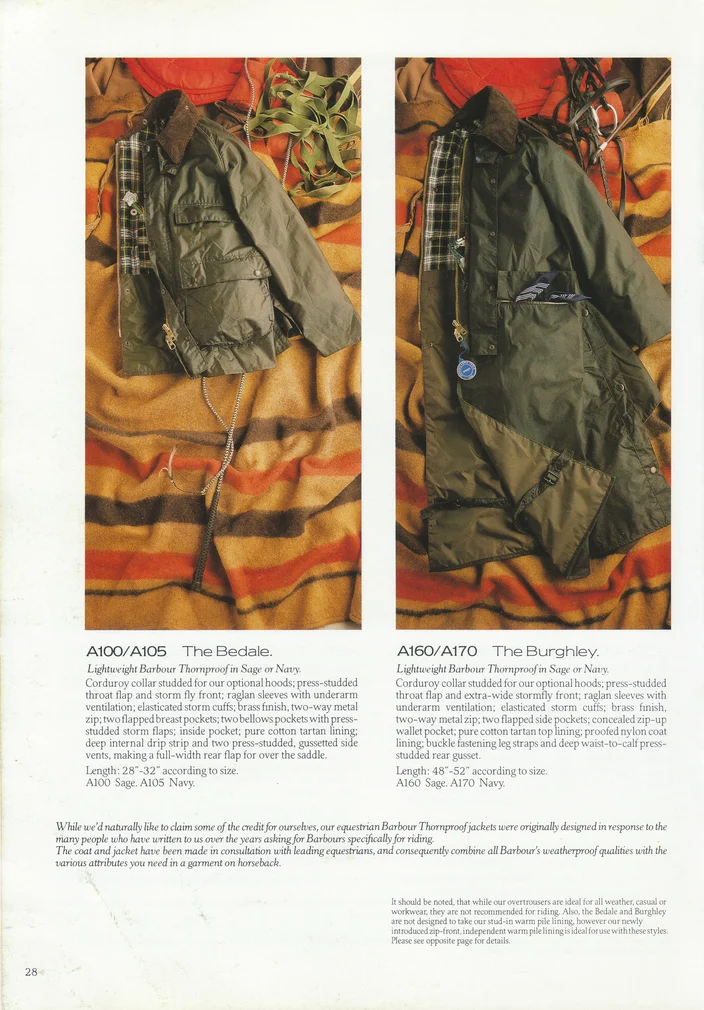
The jacket's construction followed established Barbour conventions: a brass two-way ring-pull zip, studded 'Stormfly' front, two large bellows pockets, two moleskin-lined handwarmer pockets, and a traditional corduroy collar with studs concealing a hidden throat flap. The lining featured Barbour's signature tartan cotton, providing warmth and comfort. These details, refined over decades of workwear production, proved equally suited to leisure wear. The Bedale's proportions and practical design transcended its original purpose, appealing to users across rural and urban settings.
The jacket's cultural trajectory shifted the perception of Barbour from utilitarian workwear manufacturer to purveyor of aspirational British countrywear. The Bedale became favoured by royalty, country dwellers, and urban professionals alike, establishing itself as a status symbol and fashion staple. In 2002, the original Bedale was succeeded by the Classic Bedale, which maintained the design's essential character while refining materials and construction methods. The success of the Bedale prompted the development of the Beadnell, a slimmed version cut to a feminine silhouette, named after a fishing village in Northumberland. Today, over forty years after its introduction, the Bedale remains in continuous production at Barbour's South Shields factory, where it is still made by hand and available for rewaxing and repair, extending the working life of individual garments across generations.
Timeline
- 1980 First made · Disputed Barbour Bedale enters production in South Shields, Tyne and Wear.
- 1981 Production Barbour moves its factory to Simonside, South Shields, where Bedale jackets continue to be made by hand.
- 2002 Designed The original Bedale is replaced by the Classic Bedale, which maintains the design's essential character while refining materials and construction methods.
Milestone dates are taken from the production notes behind this entry and have not been checked separately.
More like this
-
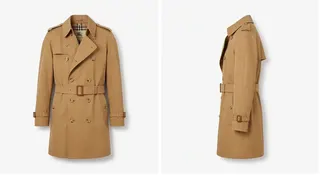 Jackets & Coats · since 1914 Burberry Trench Coat Military necessity transformed into civilian standard, 1914 to present. Read the entry →
 -
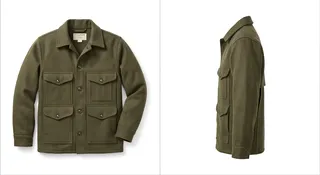 Jackets & Coats · since 1914 Filson Cruiser Wool work jacket patented 1914, still issued to U.S. Forest Service. Read the entry →
 -
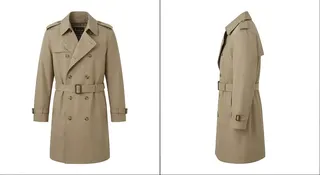 Jackets & Coats · since 1923 London Fog Trench Coat American waterproof trench coat, refined since 1954. Read the entry →
 -
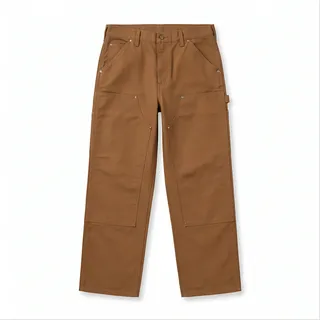 Jeans & Trousers · since 1939 Carhartt B01 Work dungarees unchanged since 1939, built to outlast the job. Read the entry →