Fashion · Clothing · Jackets & Coats
Burberry
Burberry Trench Coat
Since 1914 · 112 years to 2026 · First made in London, United Kingdom
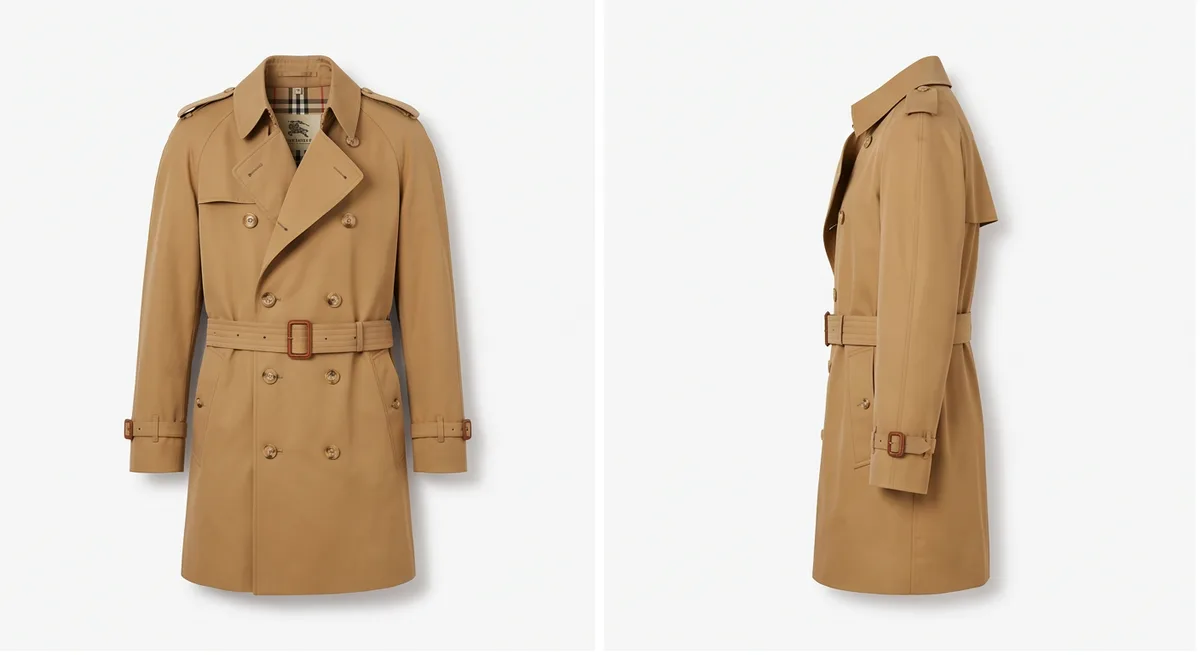
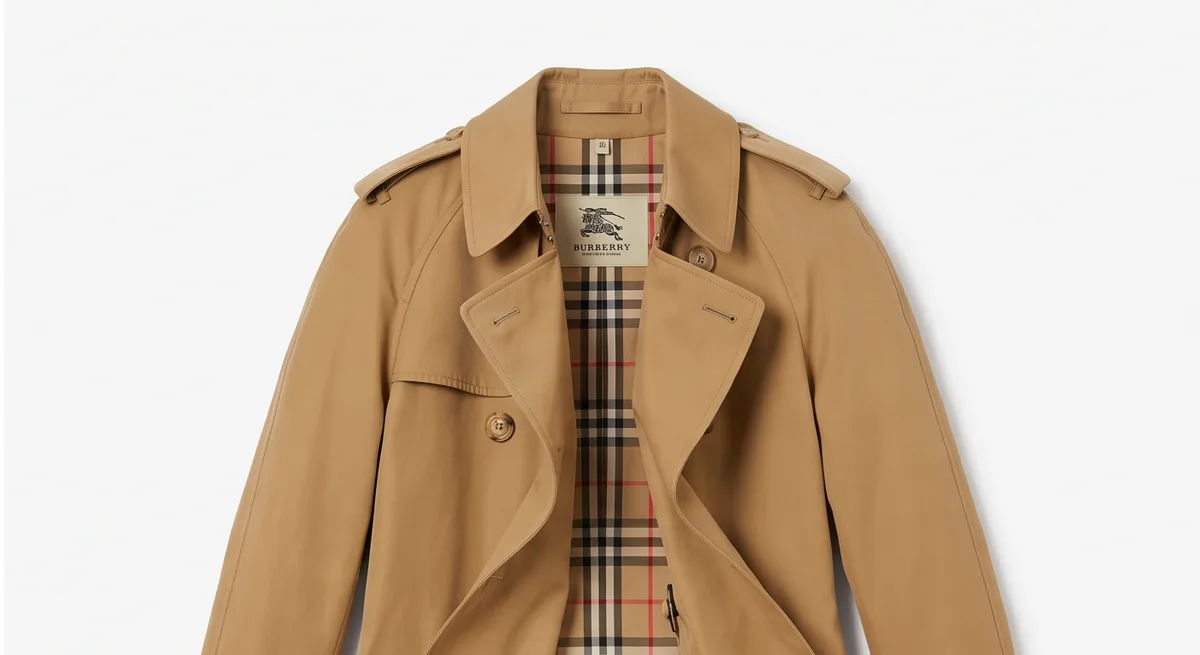
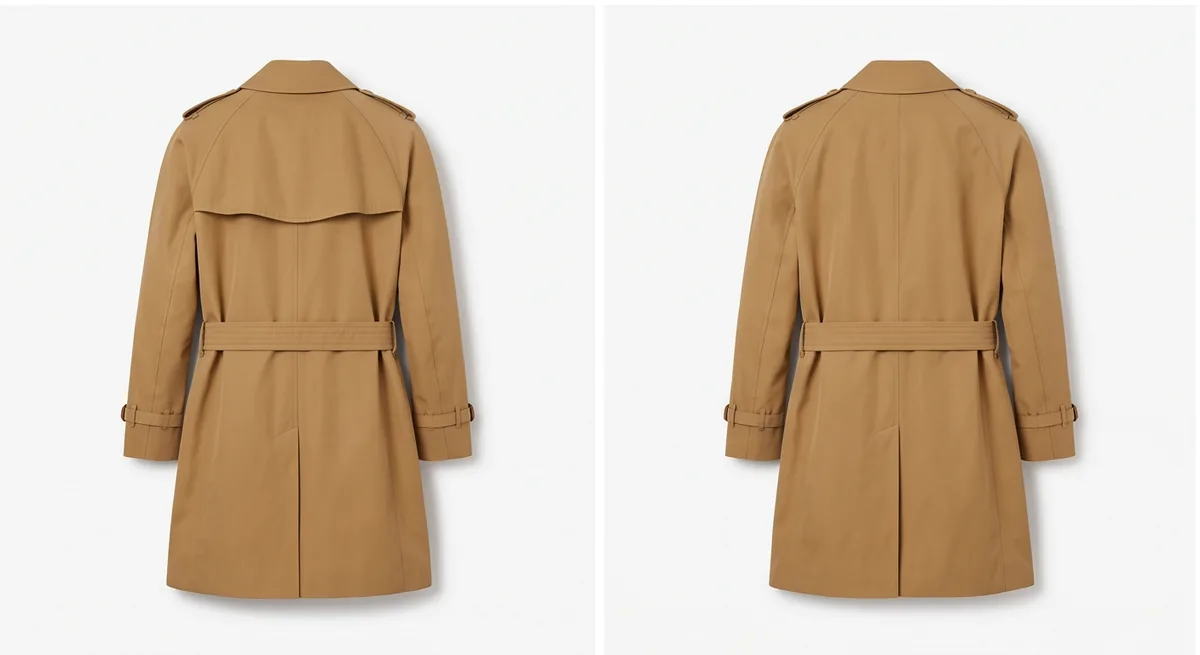
The Burberry trench coat stands as a rare example of functional design that transcended its original purpose without losing it. Born from military necessity in 1914, when the British Army commissioned Burberry to create protective outerwear for soldiers in the trenches of the First World War, the coat combined practical details—epaulettes to display rank, D-rings for equipment attachment, a storm shield, and a gun flap—with Thomas Burberry's revolutionary gabardine fabric. This tightly woven cotton, invented in 1879 and patented in 1888, was breathable unlike the rubberised and waxed raincoats then available, allowing soldiers both protection and mobility.
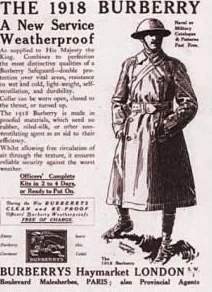
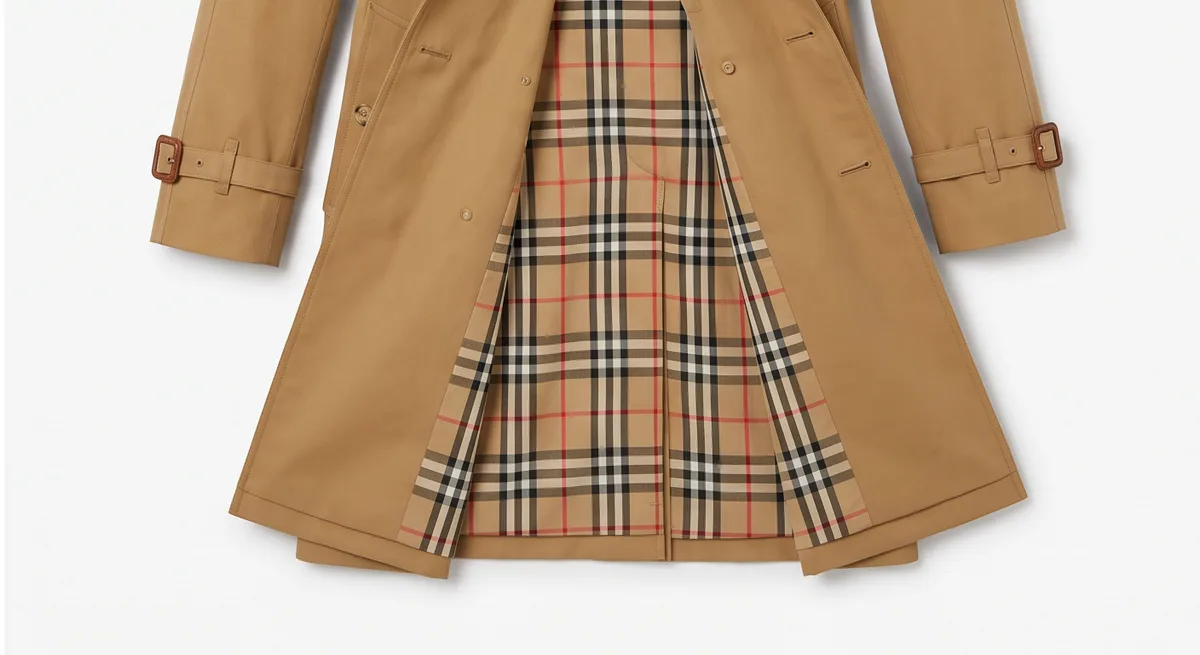
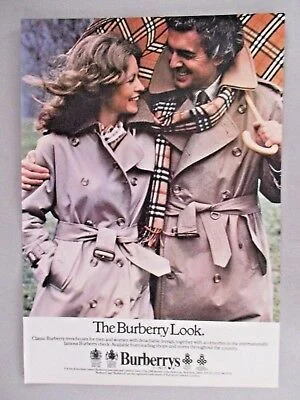
The coat's transition from military to civilian life occurred swiftly after 1918. Officers continued wearing their coats into peacetime, and affluent civilians adopted the trench as a marker of national pride and social standing. By the 1920s, the Burberry check—inspired by the Victorian fashion for tartans and checks—became the signature lining, visible only in glimpses. The design proved so popular that by 1934, Burberry offered same-day delivery of made-to-order trenches in London. The coat's five heritage silhouettes—the Kensington, Chelsea, Waterloo, Camden, and Paddington—each with subtle variations in cut and length, emerged during this period and remain in production today.
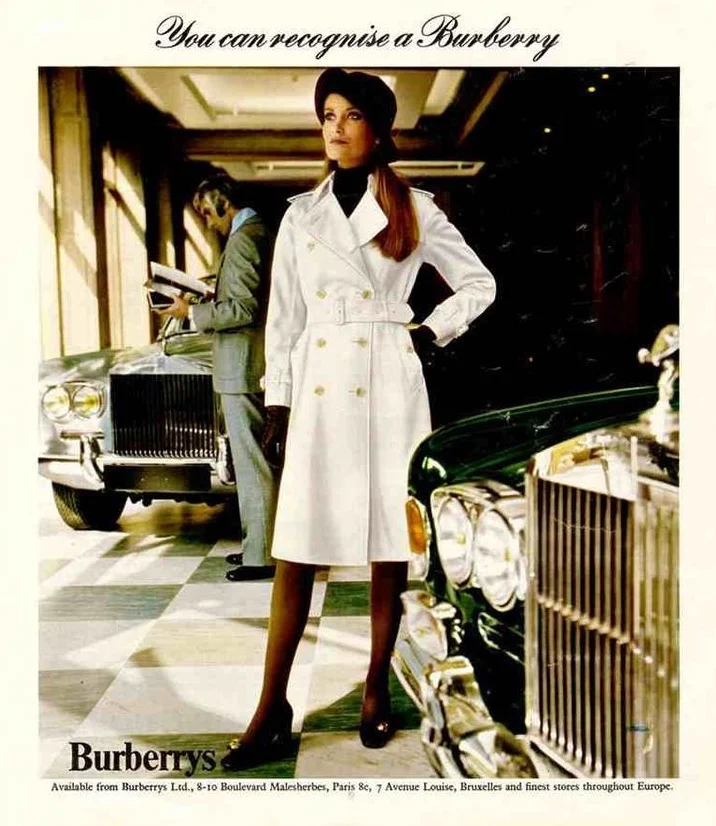
Manufacture has been centred at Burberry's Castleford, Yorkshire factory for over half a century, where the coat's construction remains labour-intensive and largely unchanged. Each garment comprises 80 separate pieces and takes four hours to stitch. The collar, the most intricate element, requires up to 270 stitches to create a curve that sits perfectly on the neck—a skill that takes one year for each specialist tailor to acquire. The gabardine continues to be woven at the Keighley mill, as does the check lining. This consistency of method and material, combined with the coat's genuine utility across weather and social contexts, explains its presence in wardrobes across more than a century.
Timeline
- 1879 Designed Thomas Burberry invents gabardine, a breathable, water-resistant cotton weave.
- 1914 First made · Disputed Burberry Trench Coat enters production in London, United Kingdom.
Milestone dates are taken from the production notes behind this entry and have not been checked separately.
From the archive
More like this
-
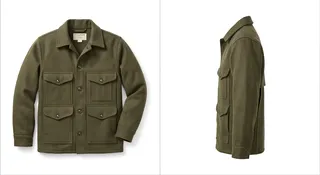 Jackets & Coats · since 1914 Filson Cruiser Wool work jacket patented 1914, still issued to U.S. Forest Service. Read the entry →
 -
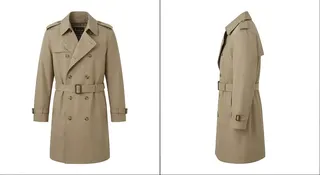 Jackets & Coats · since 1923 London Fog Trench Coat American waterproof trench coat, refined since 1954. Read the entry →
 -
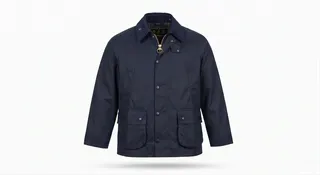 Jackets & Coats · since 1980 Barbour Bedale Short waxed jacket designed for riding, 1980 to present. Read the entry →
 -
 Jeans & Trousers · since 1939 Carhartt B01 Work dungarees unchanged since 1939, built to outlast the job. Read the entry →