Musical Instruments · Guitars & Basses · Electric Guitars
Fender
Fender Stratocaster
Since 1954 · 72 years to 2026 · First made in Fullerton, California
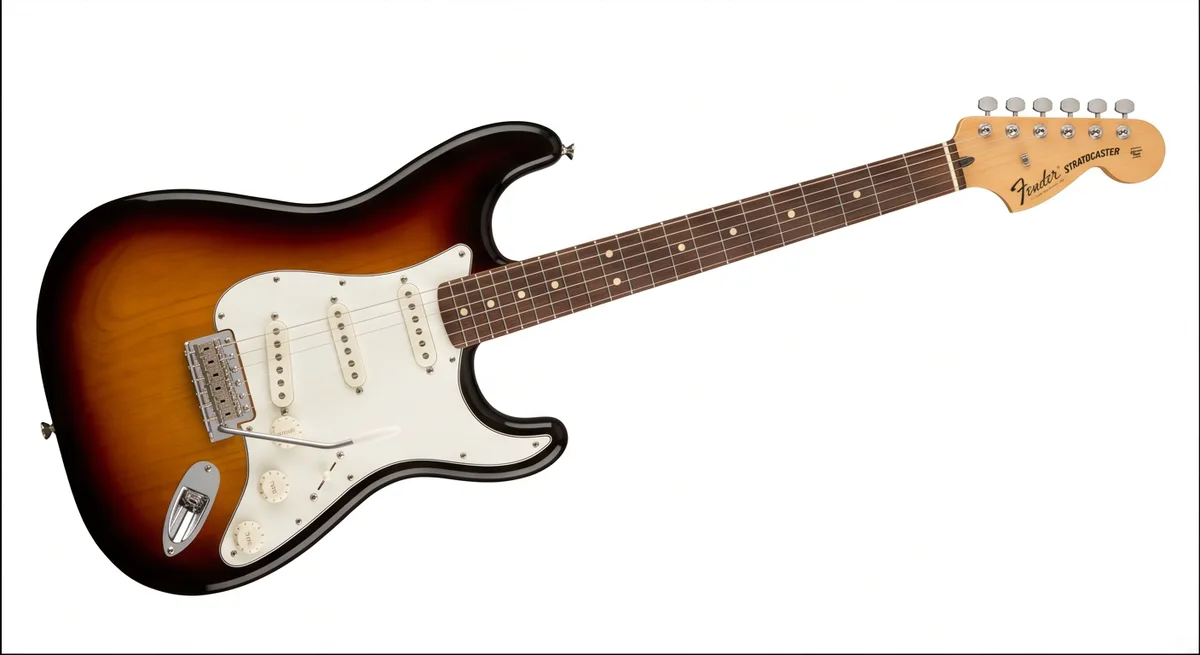
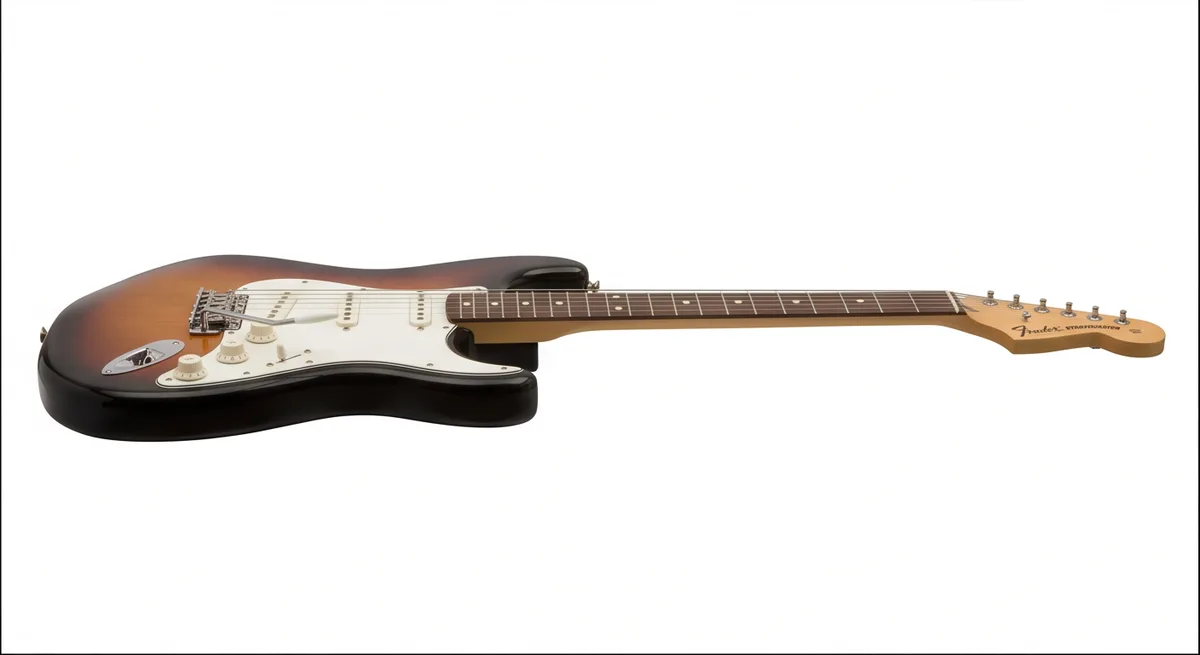
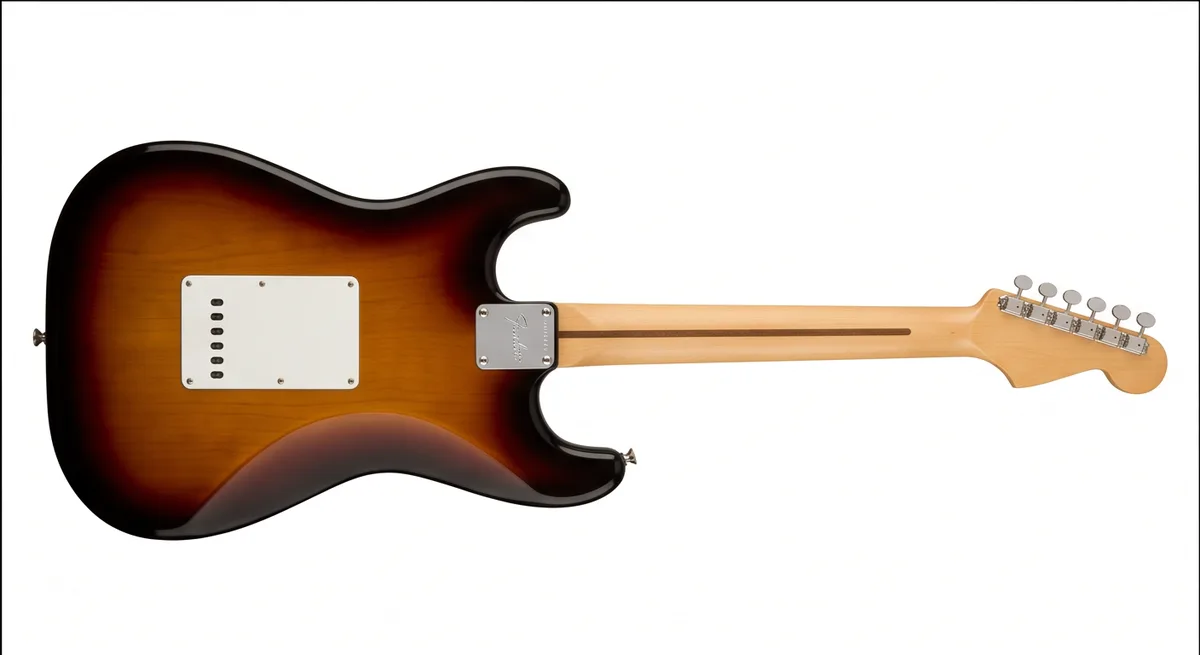
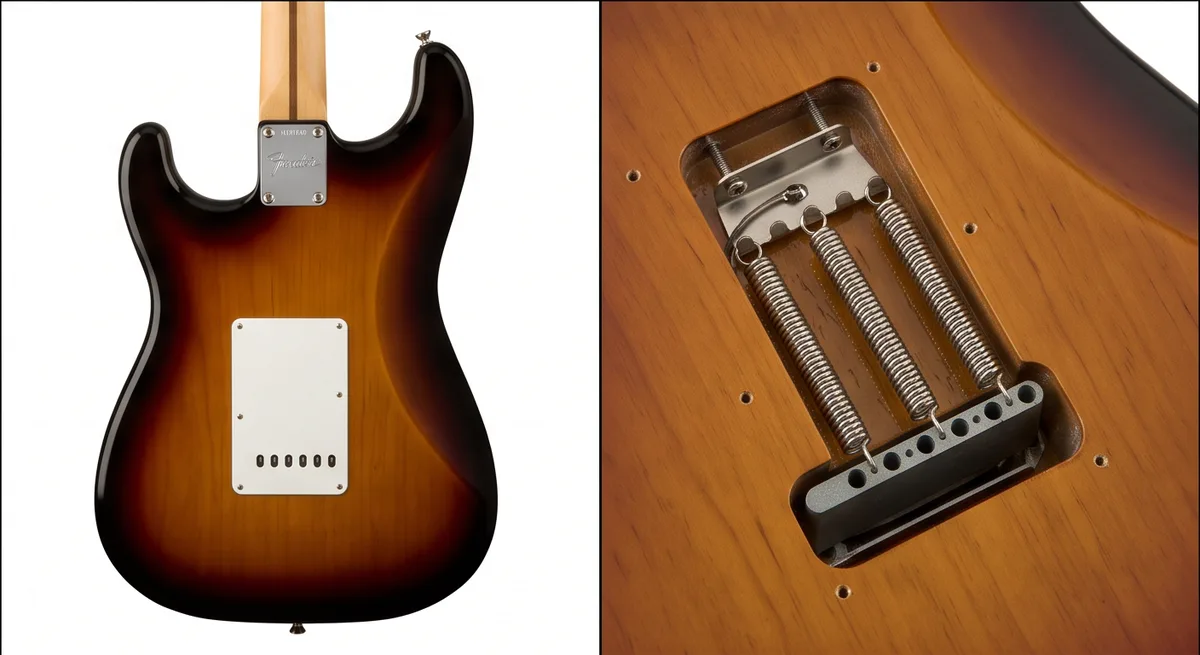
The Fender Stratocaster is the archetypal electric guitar—a solid-body instrument with a contoured asymmetric double-cutaway body and an extended upper horn that has become the visual shorthand for the electric guitar itself. Designed between 1952 and 1954 by Leo Fender, Bill Carson, George Fullerton, and Freddie Tavares, the Stratocaster was introduced in spring 1954 as a sleekly beautiful instrument bursting with innovative features. Its body, typically made from alder or ash, is paired with a maple neck attached by screws and a distinctive six-string headstock. The guitar's most recognizable feature—the floating bridge with synchronized tremolo system—allows players to modulate pitch by varying string tension, a capability that distinguishes it from earlier Fender designs like the Telecaster.
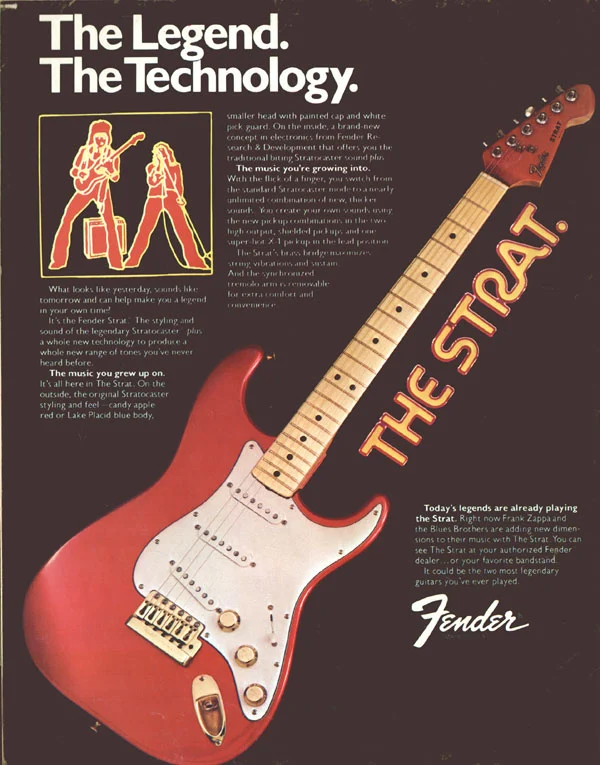
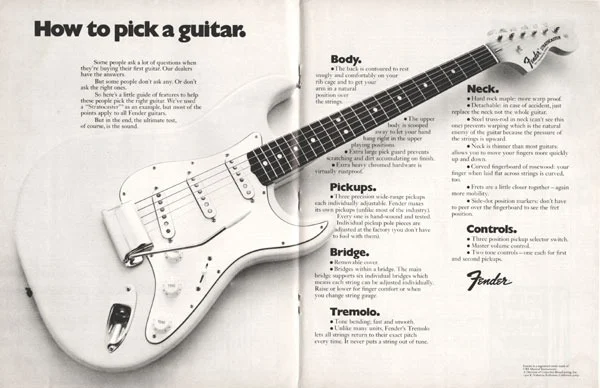
The Stratocaster's design prioritized both functionality and accessibility. Its electronics were mounted to a single-ply white plastic pickguard rather than the body itself, enabling the entire pickguard, pickups, and controls assembly to be dropped into place with eight screws. Three control knobs positioned near the bridge—a master volume and two tone controls for the neck and middle pickups—remained within easy reach of the playing hand. This modular approach to construction would prove instrumental to the guitar's longevity, allowing for refinement and evolution without fundamental redesign.
Over seven decades, the Stratocaster has transcended its original purpose as a professional tool to become a cultural symbol for creativity, individuality, and artistic expression. It has been played on landmark recordings from the 1950s through the present day, and its basic form has remained largely unchanged despite countless refinements to pickups, neck profiles, vibrato systems, hardware, and tonewoods. The guitar's success lies in what Leo Fender created: not a fixed product, but a platform designed to evolve. This capacity for continuous improvement while maintaining conceptual integrity has allowed successive generations of musicians and manufacturers to keep the Stratocaster relevant, whether through vintage reissues that honor its heritage or modern variants that address contemporary playing demands.
Timeline
- 1953 Designed Vibrato design problems cause a costly delay in production.
- 1954 First made · Verified Fender Stratocaster enters production in Fullerton, California.
- 1965 Ownership Leo Fender sells the company to CBS.
- 1985 Ownership A group of investors and employees headed by Bill Schultz purchases Fender from CBS.
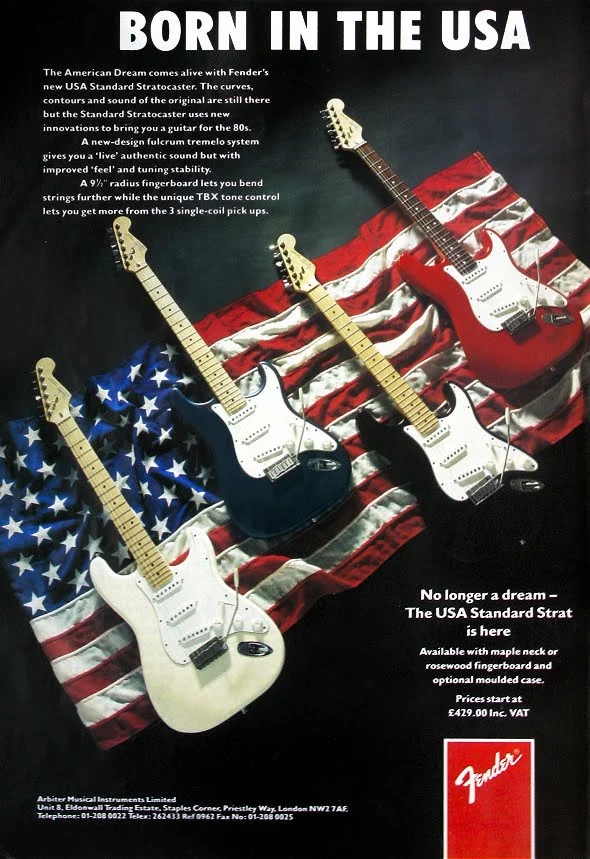
- 1987 Released Fender introduces the American Standard Stratocaster.
- 2017 Released Fender introduces the American Professional Stratocaster.
Milestone dates are taken from the production notes behind this entry and have not been checked separately.
From the archive
More like this
-
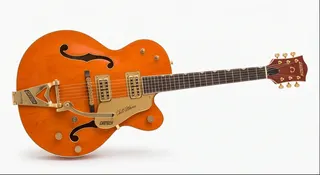 Electric Guitars · since 1954 Gretsch 6120 Hollow-body electric guitar in continuous production since 1954. Read the entry →
 -
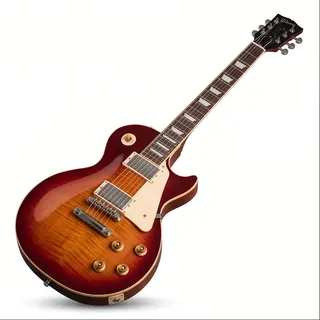 Electric Guitars · since 1952 Gibson Les Paul Solid-body electric guitar in continuous production since 1952. Read the entry →
 -
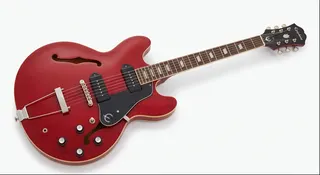 Electric Guitars · since 1961 Epiphone Casino Hollow-body electric guitar in continuous production since 1961. Read the entry →
 -
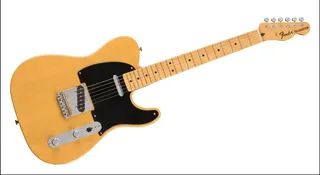 Electric Guitars · since 1950 Fender Telecaster The first mass-produced solid-body electric guitar, still in production. Read the entry →