Musical Instruments · Guitars & Basses · Electric Guitars
Fender
Fender Telecaster
Since 1950 · 76 years to 2026 · First made in Fullerton, California
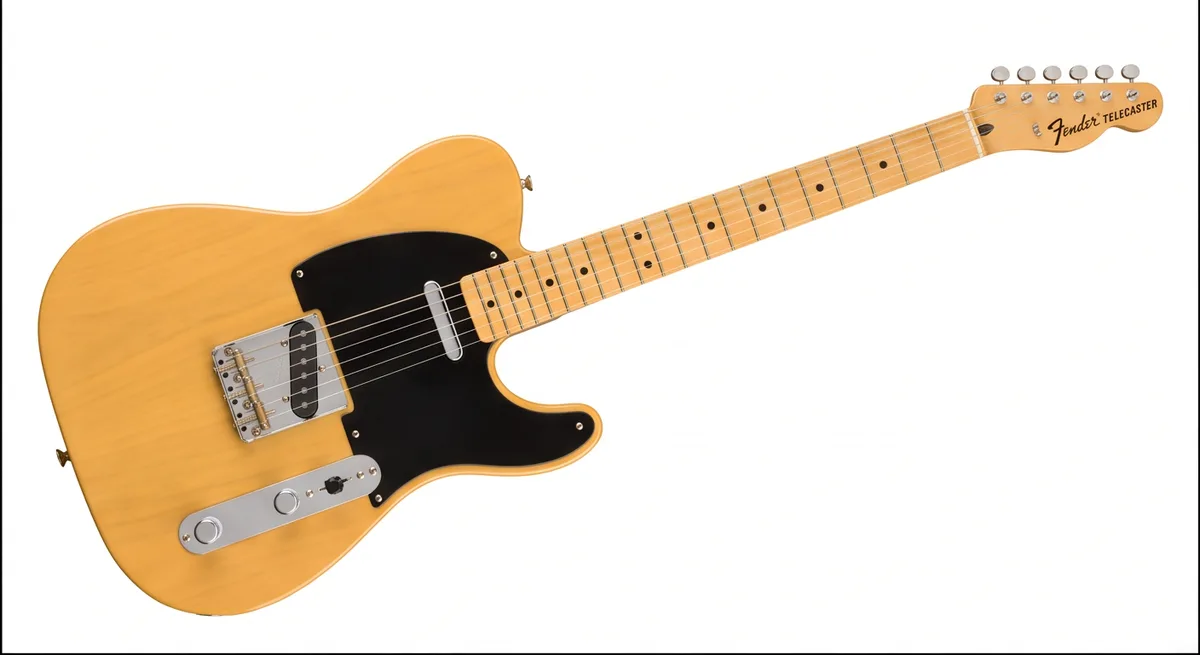
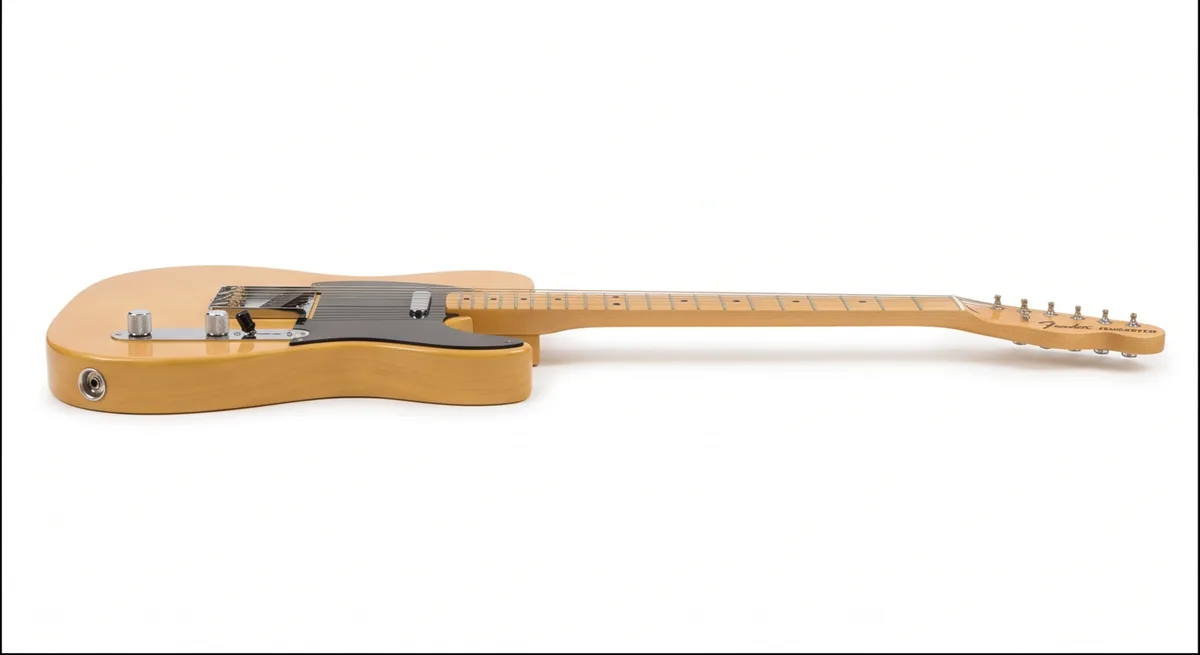
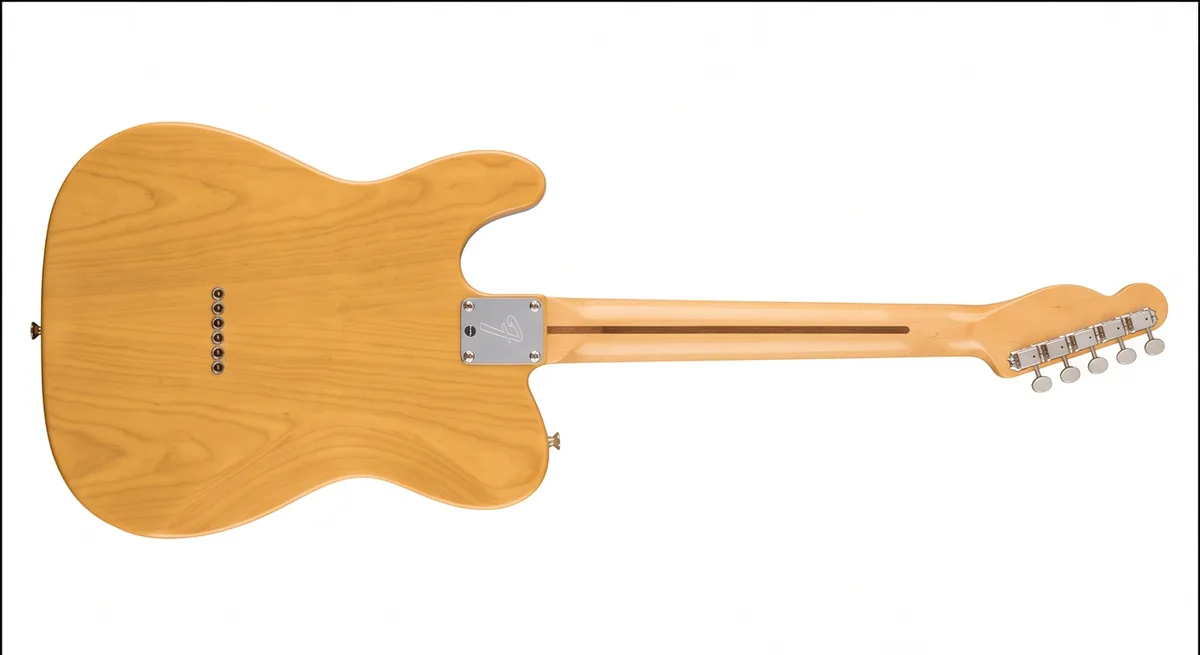
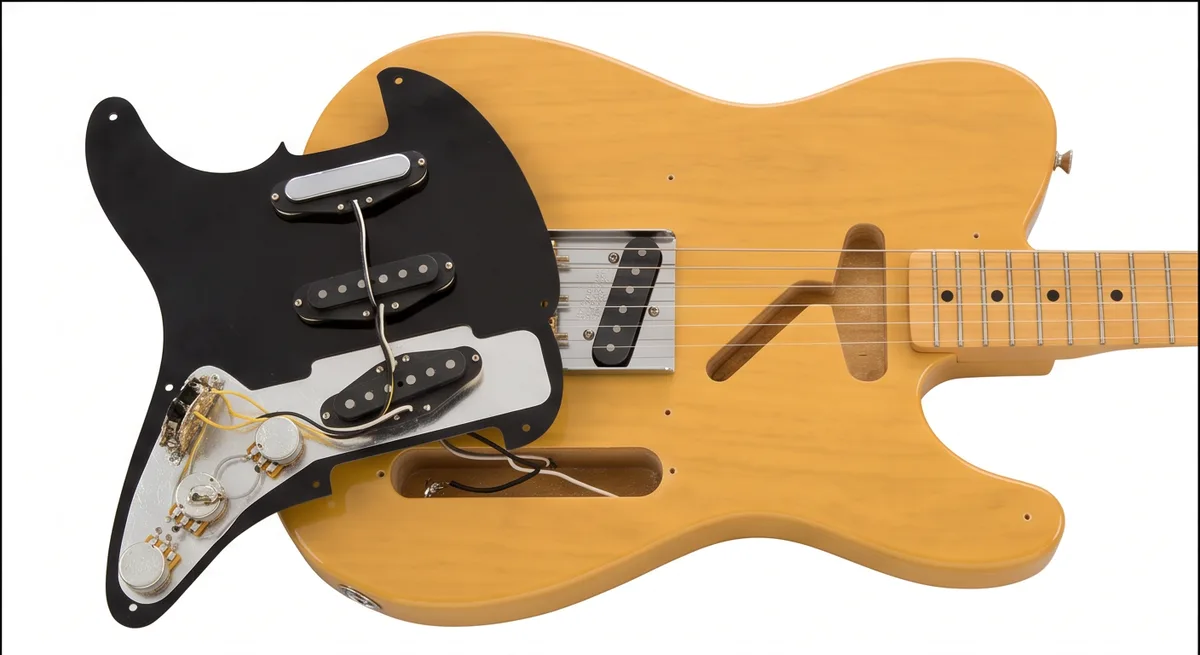
The Fender Telecaster stands as the world's first mass-produced solid-body electric guitar, a distinction that reflects both technological innovation and manufacturing pragmatism. Designed by Leo Fender and his team in Southern California, the Telecaster emerged from a deliberate effort to create something that did not previously exist: a guitar that was not handcrafted individually but built from interchangeable parts, reducing costs while maintaining quality. This approach—featuring a bolt-on maple neck attached with screws and a body typically made from alder or swamp ash—meant that damaged components could be replaced without complex luthiery. The design itself was spare and efficient, drawing inspiration from 19th-century Stauffer and Istrian folk guitars, with all six tuning pegs mounted inline on a single side of the headstock and strings pulled straight over the nut.
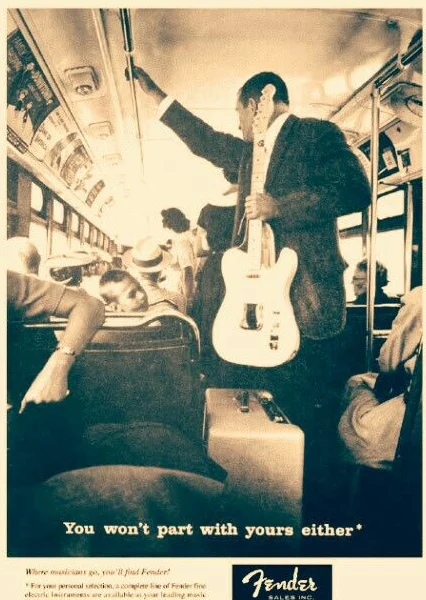
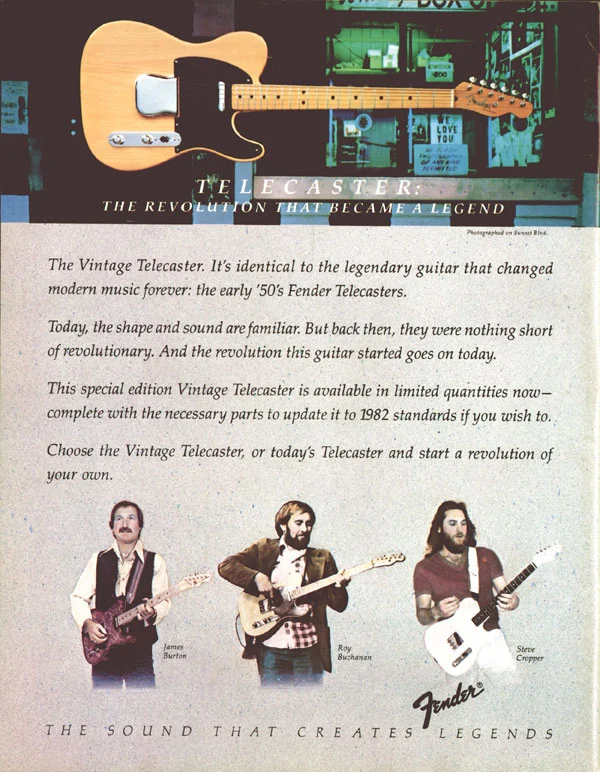
The guitar's physical form has remained remarkably consistent since 1951. Its flat asymmetric single-cutaway body, typically finished in solid colors, houses a front-routed electronics cavity. Most Telecasters feature two single-coil pickups mounted in a plastic pickguard and a metal plate, controlled by a pickup selector switch, single volume control, and single tone control. The bridge, originally featuring three individually adjustable dual-string saddles, became a six-saddle design in later iterations. This simplicity was not a limitation but a strength: the Telecaster proved easy to play, durable, and affordable relative to other electric guitars, with a clear, punchy tone suited to country, rhythm and blues, rock, punk, and alternative music.
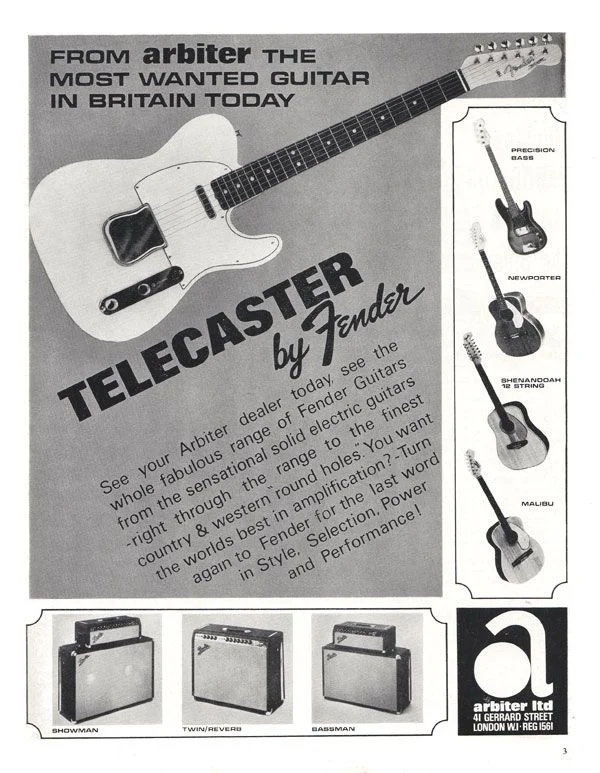
The Telecaster's cultural significance emerged quickly. Players recognized that Fender had created something well-designed, efficient, and great-sounding—qualities that transcended fashion. The guitar became essential to most modern Western popular musical styles, establishing itself as a workhorse instrument for professionals and amateurs alike. Its longevity reflects not innovation for its own sake but a design that solved real problems for musicians and manufacturers. Even as Fender's ownership and production locations shifted over decades, the Telecaster's essential character persisted. Today, 75 years after its introduction, a basic modern Telecaster differs little outwardly from its 1951 ancestor, a testament to the soundness of its original conception.
Timeline
- 1950 First made · Disputed Fender Telecaster enters production in Fullerton, California.
- 1985 Ownership William Schultz and investors purchase Fender from CBS and establish new headquarters in Brea, California.
- 1985 Production Fender acquires a factory in Corona, California.
- 1988 Designed The American Standard Telecaster appears with 22 frets and a six-saddle bridge.
Milestones as we found them, not as we've checked them.
From the archive
More like this
-
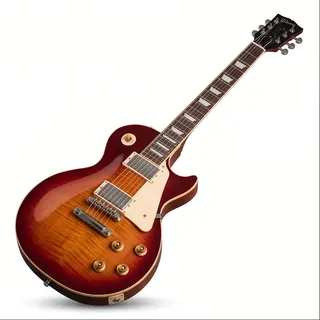 Electric Guitars · since 1952 Gibson Les Paul Solid-body electric guitar in continuous production since 1952. Read the entry →
 -
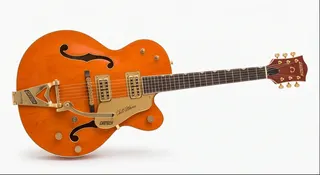 Electric Guitars · since 1954 Gretsch 6120 Hollow-body electric guitar in continuous production since 1954. Read the entry →
 -
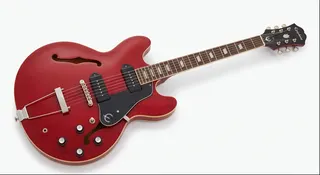 Electric Guitars · since 1961 Epiphone Casino Hollow-body electric guitar in continuous production since 1961. Read the entry →
 -
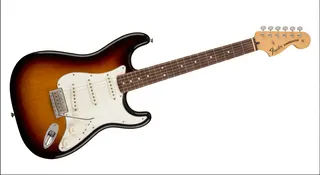 Electric Guitars · since 1954 Fender Stratocaster The electric guitar archetype, continuously manufactured since 1954. Read the entry →